
2025 Local Leaders Climate Awards / Energy Transition & Smarter Buildings
Winners: Energy Transition & Smarter Buildings
Cutting costs and carbon with clean power and efficient design
Boston and Juiz de Fora were announced as winners of the 2025 Bloomberg Philanthropies Local Leaders Climate Awards on November 4, 2025 at the COP30 Local Leaders Forum in Rio de Janeiro.
WINNER: BOSTON
Building Emissions Reduction and Disclosure Ordinance (BERDO) and its Equitable Emissions Investment Fund
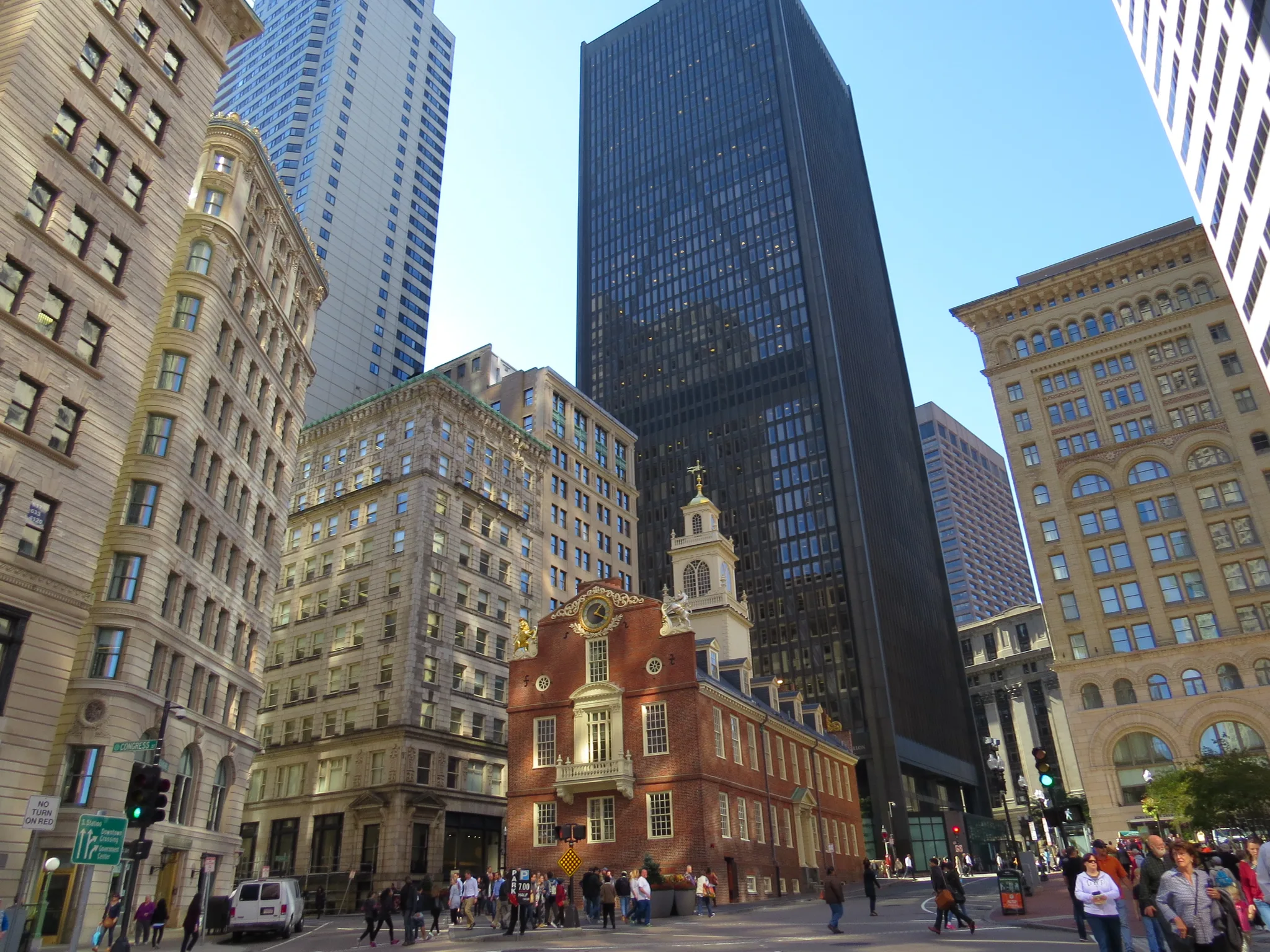
Boston’s Building Emissions Reduction and Disclosure Ordinance (BERDO) is driving city-led energy transformation by requiring large buildings to report and steadily reduce their greenhouse gas emissions. Through enforceable emissions standards developed for properties over 20,000 sqft or 15 units, BERDO helps accelerate energy upgrades and improve transparency across large buildings. Established with $3.5 million from the City of Boston, the Equitable Emissions Investment Fund collects alternative compliance payments from building owners with emissions above their BERDO limit and channels those funds directly into projects that directly benefit Boston’s most vulnerable communities – funding energy retrofits, electrification, and solar development. Together, BERDO and the Fund are projected to cut citywide emissions 40% by 2050, while ensuring that climate investments advance equity and resilience across Boston.
WINNER: JUIZ DE FORA
Transforming Energy
Juiz de Fora’s Municipal Climate Neutrality Policy combines legislative, technical, and innovative measures to reduce emissions and boost energy efficiency through LED lighting, photovoltaic systems, and waste recovery programs. Strategic partnerships with the Federal University of Juiz de Fora optimize energy production and consumption while validating economic and environmental feasibility of emerging technologies. The city’s multi-sport gym exemplified sustainable design with LED lighting, solar thermal systems, rainwater capture, and certified materials. Circular economy principles support waste picker associations through universal selective collection and bio-gas production, showcasing a holistic strategy for urban modernization and climate-neutral development.
FINALIST: CHENGDU
Clean Energy and Green Buildings Empowering the Megacity’s Low-Carbon Transition
Chengdu has advanced low-carbon development as a major economic hub with 21.47 million residents, achieving coal use of less than 5% while non-fossil sources exceed 45% of energy consumption and per capita carbon emissions remain below 3 tonnes – the lowest among major Chinese cities. The city leads in solar power innovation, hosting the world’s top solar cell manufacturer, and operates 10 virtual power plants supporting a 20.4 million kW grid load. Chengdu enacted the Green Building Promotion Regulation ensuring all new buildings comply with green building standards, with over 300 million square meters of new green buildings and 32 near-zero-carbon communities completed, and the city integrates carbon sinks into planning with 1,500+ parks and 40.5% forest coverage.
FINALIST: JOHANNESBURG
Solar Micro-grids in Johannesburg Informal Settlements
Johannesburg’s municipal-led microgrid program transforms energy access in informal settlements through solar PV and battery storage systems,with the flagship Amarasta installation featuring a 2.65 MW solar array and 1 MW battery serving 185 households. The flagship Amarasta installation provides approximately 3kWh per day to 185 households, avoiding an estimated 101 tonnes of CO2 annually while saving families significant costs. Fire incidents have dropped over 50% thanks to improved public lighting and safer energy sources. The program has created over 80 jobs with 70% of hires from local communities, building toward electrifying 310 informal settlements citywide, serving 67,840 households with potential to avoid 95,400 tonnes of CO₂ annually.
FINALIST: CURITIBA
Curitiba Mais Energia (Curitiba More Energy)
Curitiba Mais Energia promotes renewable energy use and reduces greenhouse gas emissions as part of the city’s climate change mitigation actions toward carbon neutrality by 2050. The municipality installed photovoltaic modules at facilities including the 29 de Março Palace (120 kW) and developed the Curitiba Solar Pyramid, a large 3,500 kW photovoltaic plant on a deactivated landfill, adding up to 5.390kW units installed in total. The program aims to meet 60% of consumption for municipal public buildings while expanding to bus terminals and public housing projects. Curitiba also operated the Nicolau Klüppel Hydroelectric Generating Plant, demonstrating diverse renewable energy integration across city operations.
2025 Local Leaders Climate Awards
Explore more from the other winners.