
2025 Local Leaders Climate Awards / Clean, Reliable Transportation
Winners: Clean, Reliable Transportation
Moving people and goods on dependable, low-emission networks
Oslo and São Paulo were announced as winners of the 2025 Bloomberg Philanthropies Local Leaders Climate Awards on November 4, 2025 at the COP30 Local Leaders Forum in Rio de Janeiro.
WINNER: OSLO
Pioneering city for Zero-emission heavy duty transport
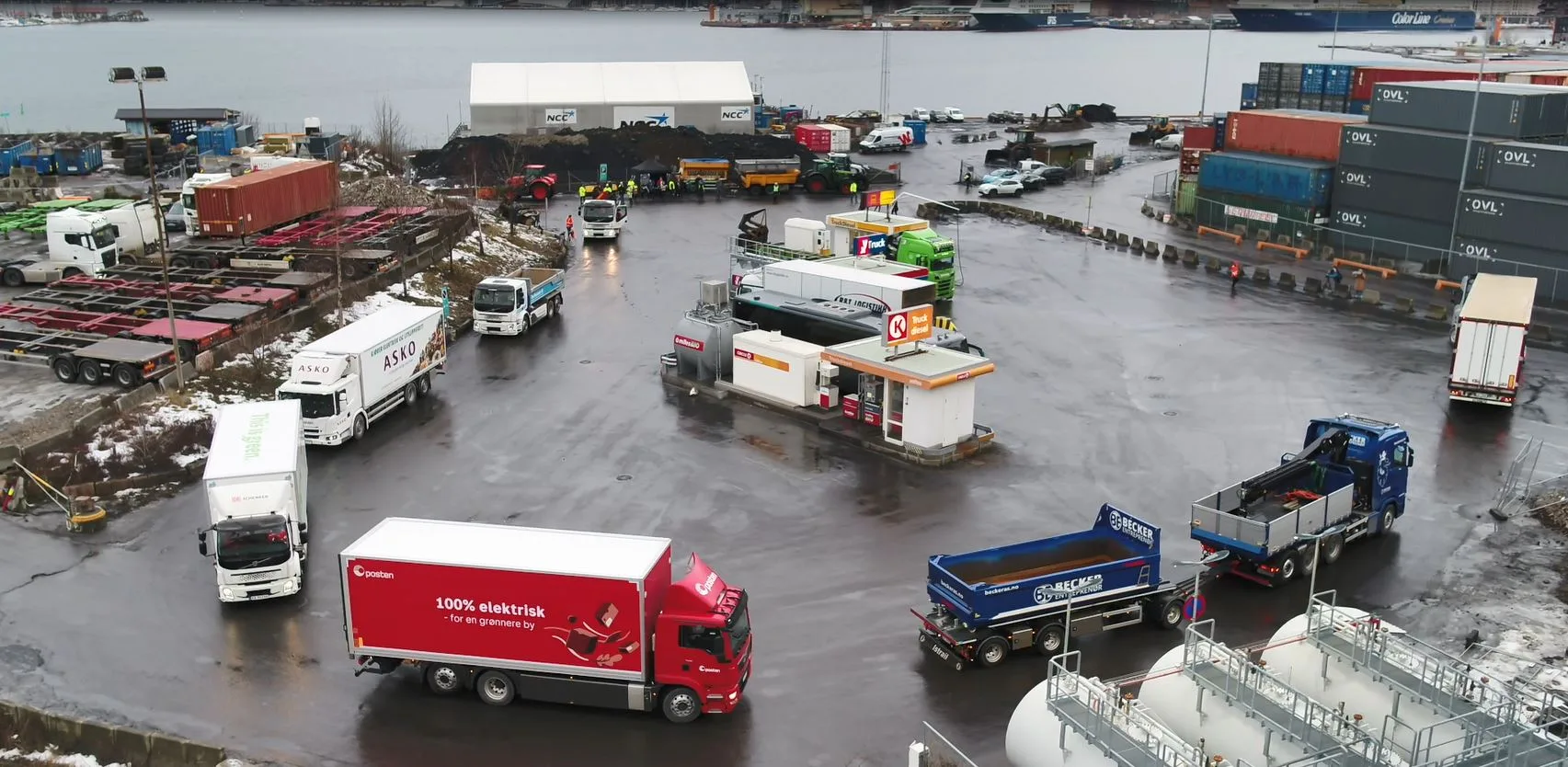
Oslo launched its “Fossil Free Trucks” project in 2020 to accelerate the transition from fossil to zero emission trucks, targeting heavy duty transport which accounts for 13% of Oslo’s emissions as part of the city’s goal to cut 95% of direct emissions by 2030. The city implemented procurement standards requiring zero emission vehicles for transport contracts, built public charging and biogas infrastructure, and provided grants for heavy duty fast chargers. Zero emission heavy duty vehicles pass through the toll ring for free, ensuring predictability for owners and operators. By 2024, electric trucks accounted for 15.9% of new registrations and biogas powered trucks made up 15%, compared to zero percent zero-emissions registrations in 2018.
WINNER: SÃO PAULO
Electrification of the São Paulo Bus Fleet — Municipal Program for Innovative Acquisition and Financing
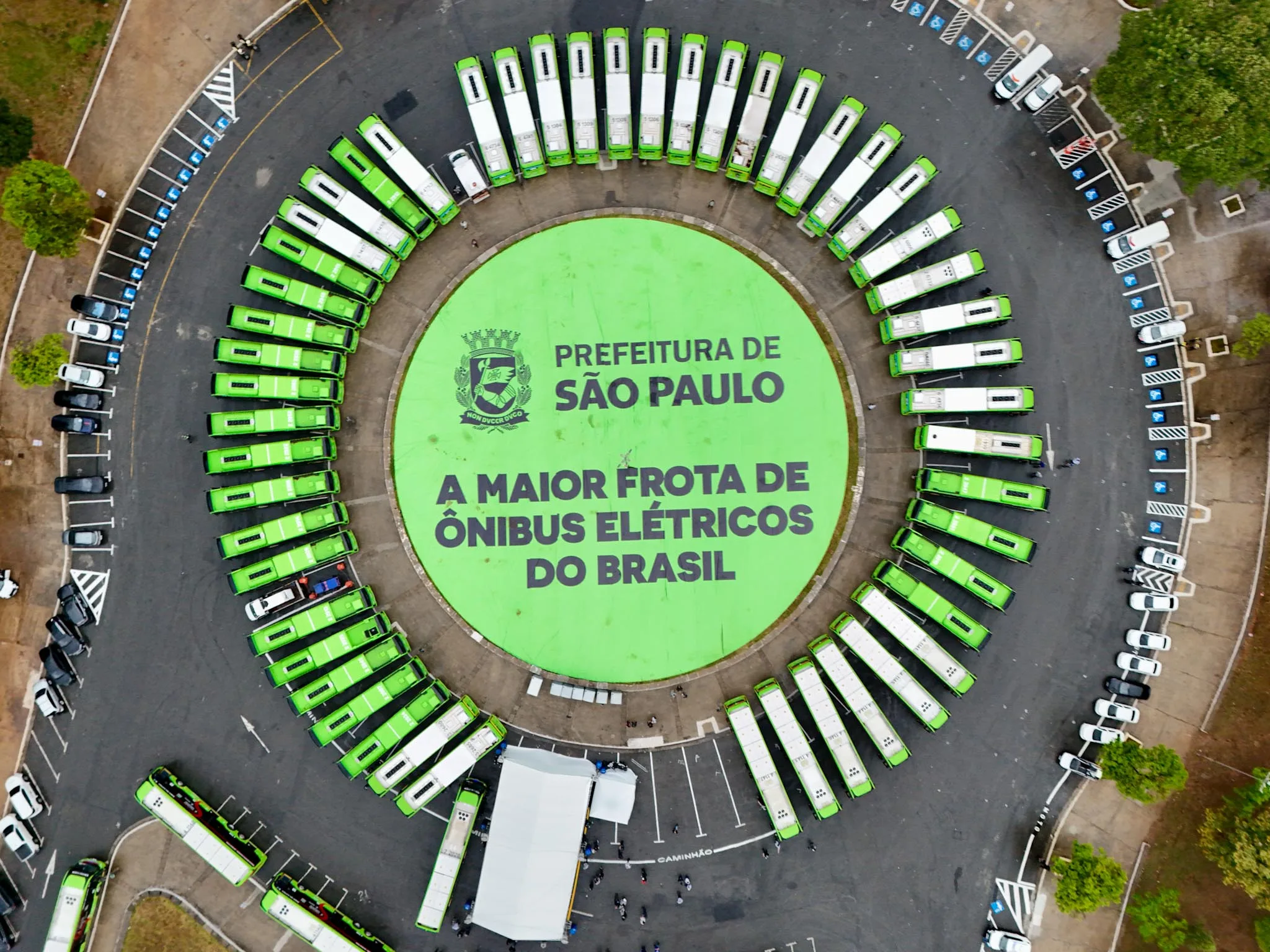
São Paulo’s municipal program coordinates progressive replacement of diesel buses with zero-emission vehicles in line with Municipal Law, eliminating fossil CO2 emissions by 2038. The program combines public procurement of electric buses, innovative bus models including battery rental, and development credit lines from The Brazilian Development Bank (BNDES) and multilateral institutions. The city adopts a partial subsidy model, financing the cost difference between electric buses and diesel versions while coordinating with private operators on charging and infrastructure. Deliveries in 2023-2025 increased the official electric fleet to 961 vehicles, demonstrating large-scale urban fleet electrification.
FINALIST: BELIZE
The eMobility Pilot Project
The eMobility Pilot Project, led by Belize City Council’s eTransit Department with support from the EU, UNDP, and Government of Belize, transforms urban transport through electric buses to cut greenhouse gas emissions and improve air quality. Two municipal eBuses operate from 5:30am to 9:00pm with GPS monitoring and real-time passenger tracking, while municipal charging stations provide overnight and opportunity charging. In July 2025 alone, eBuses carried 16,339 passengers, totaling 178,111 in one year with zero tailpipe emissions. The project creates a scalable, self-sustaining eMobility model for Belize and other small island developing states, with plans to expand eBus and eTaxi fleets and integrate solar PV through public-private partnerships.
FINALIST: JAKARTA
Advancing Sustainable Connectivity through EV Initiatives and Greater Jakarta Network Expansion
The Provincial Government of DKI Jakarta launched the Transjabodetabek initiative to expand public transport services beyond the capital, connecting key commuter cities in Greater Jakarta including Bogor, Depok, Tangerang, and Bekasi. The initiative reflects Jakarta’s leadership in advancing sustainable mobility by providing faster, more accessible, and integrated public transport to reduce reliance on private vehicles. Building upon Transjakarta’s established system and operational capacity, the program also aligns with the city’s electrification roadmap—100 electric buses have been deployed since 2023, with the fleet expected to reach 500 units by 2025 and achieve full electrification by 2030. The new Transjabodetabek routes are envisioned to progressively adopt electric buses, enabling low-emission mobility while enhancing cross-regional connectivity and contributing to better air quality in the metropolitan area.
FINALIST: BELO HORIZONTE
Shared Electric Bicycles
Belo Horizonte’s Electric Bike Sharing system, launched in September 2023 in partnership with Tembici and Estácio University, is the first bike sharing system with fixed stations and 100% electric bikes in Latin America. Designed for the challenging topography of the city, the system offers pedal-assisted bikes with 100km range and enhanced safety features including intermittent lighting and laser demarcation. Since launch, the system recorded more than 60,000 trips and 145,000km traveled in the first four months – avoiding emission of more than 10 tonnes of CO2. The system has 51 stations and 500 bikes strategically located for integration with public transport, with 98% of users commuting daily and 85% switching from using motor vehicles.
2025 Local Leaders Climate Awards
Explore more from the other winners.
More from Bloomberg Philanthropies at COP30
COP30 Local Leaders Forum
Rio de Janeiro, Brazil