
More Than One Million Women Since 2007 Have Enrolled in Training & Education Programs Across Our Women’s Economic Development Initiative
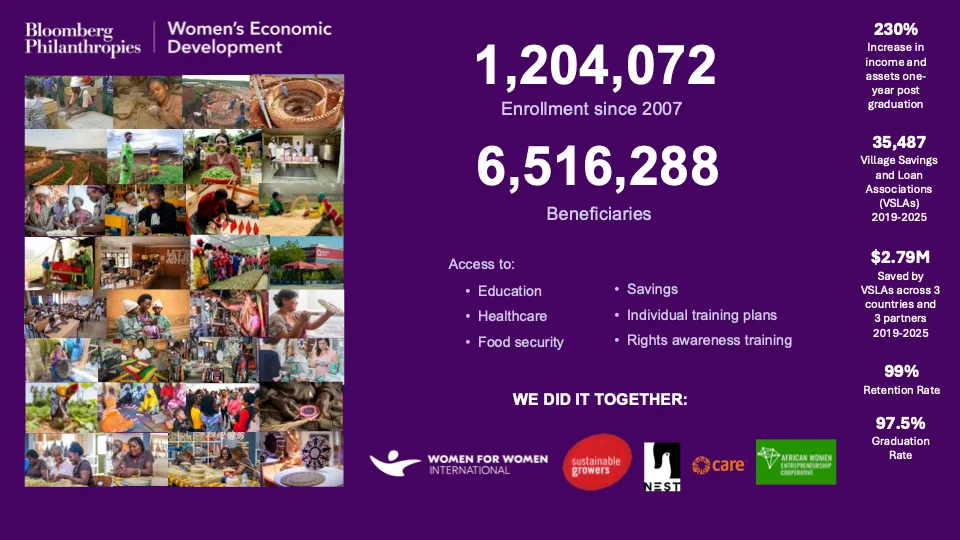
In exciting news – more than one MILLION women have enrolled in training and education programs across our Women’s Economic Development Initiative since its inception in 2007.
This has impacted 6.5 MILLION beneficiaries, providing education, health, wellness, and nutrition to their children, family, and community. This demonstrates that women are central to economic growth. We did this together.
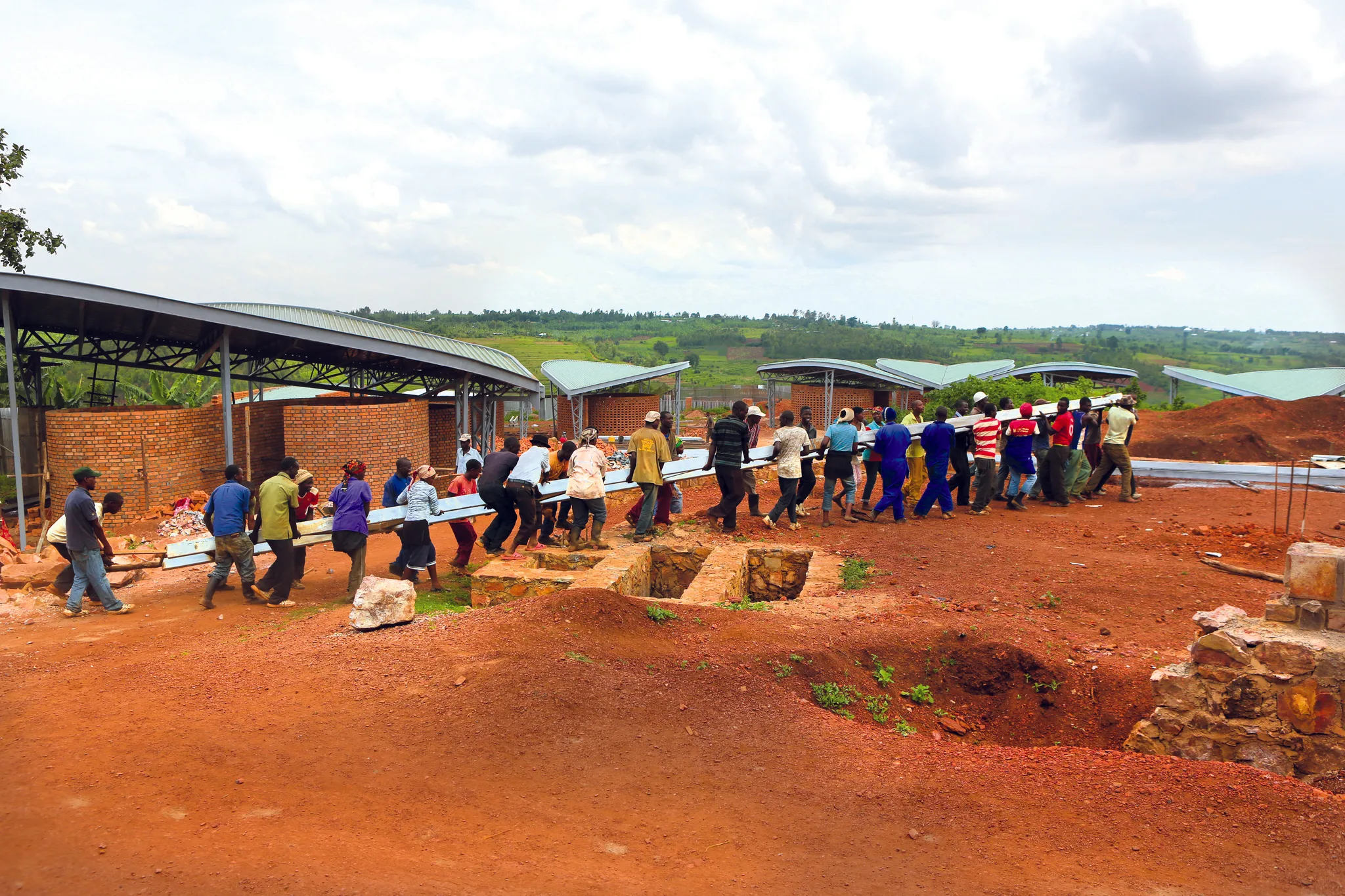
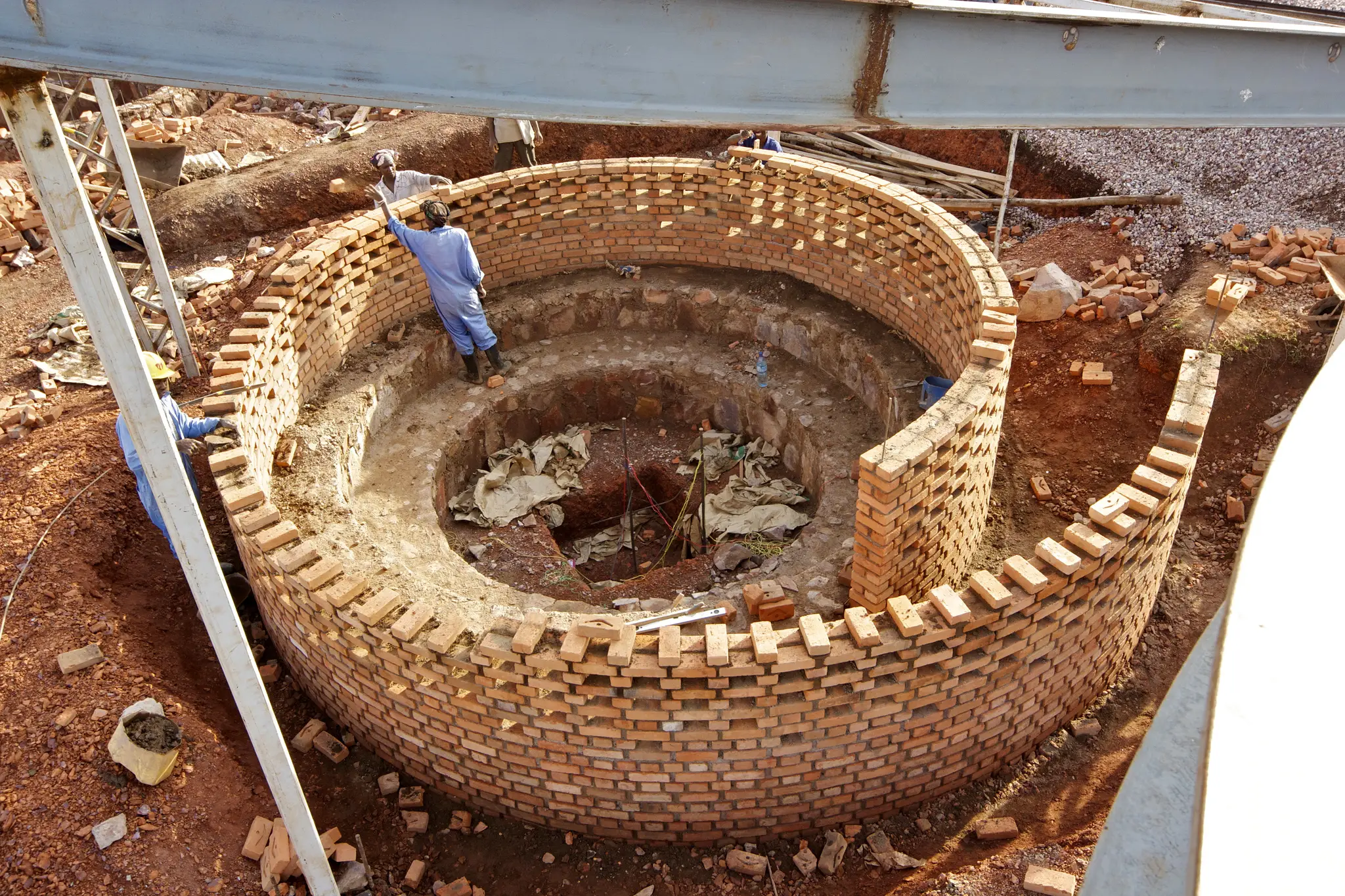
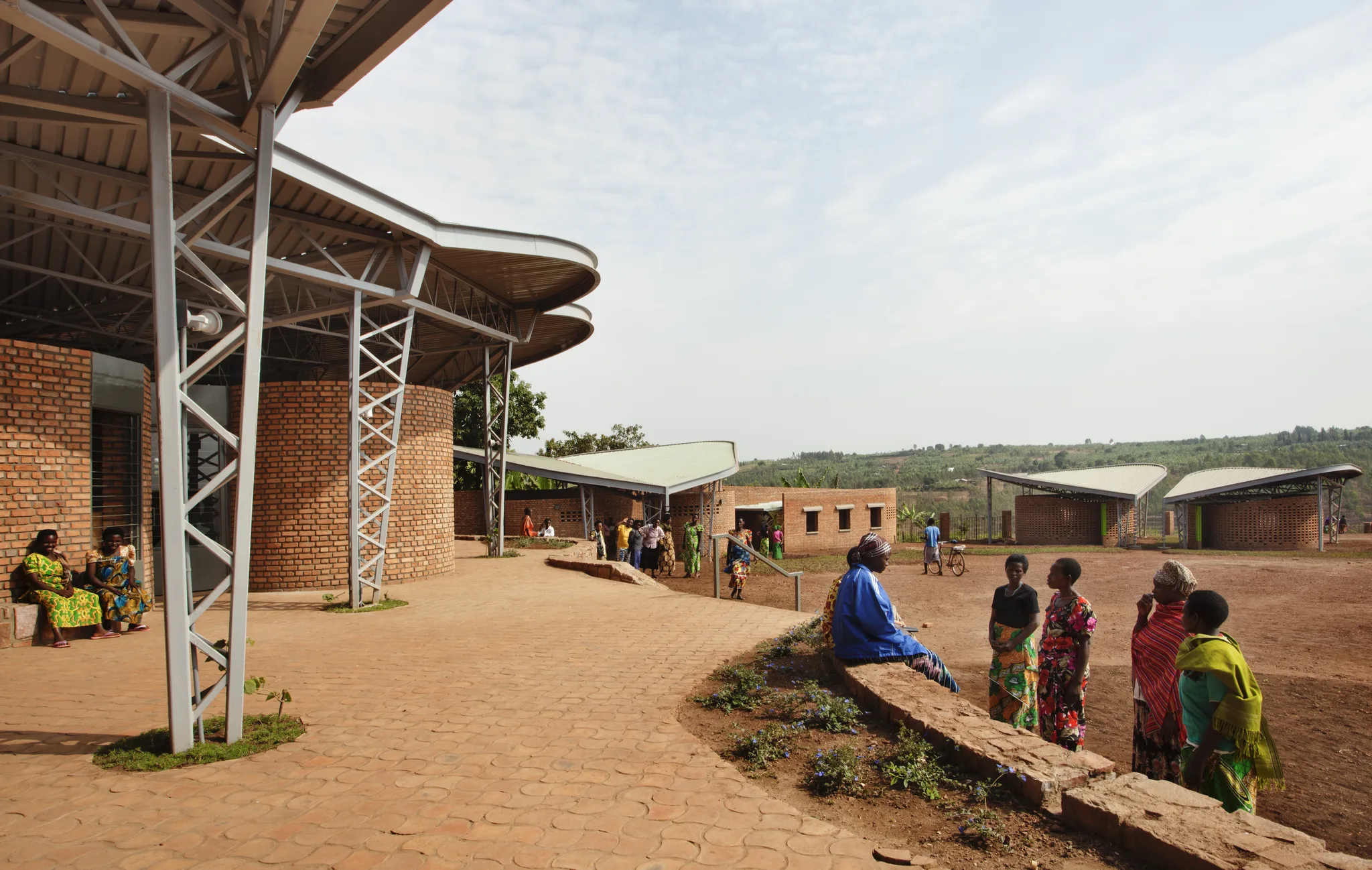
Since 2008, we’ve worked with Women for Women International, to train women across 12 vocational tracks while increasing their marketable skills and incomes to support themselves and their families. With construction training, the women engaged in the building of a six-classroom training facility, the Women’s Opportunity Center, seen in the photos below:
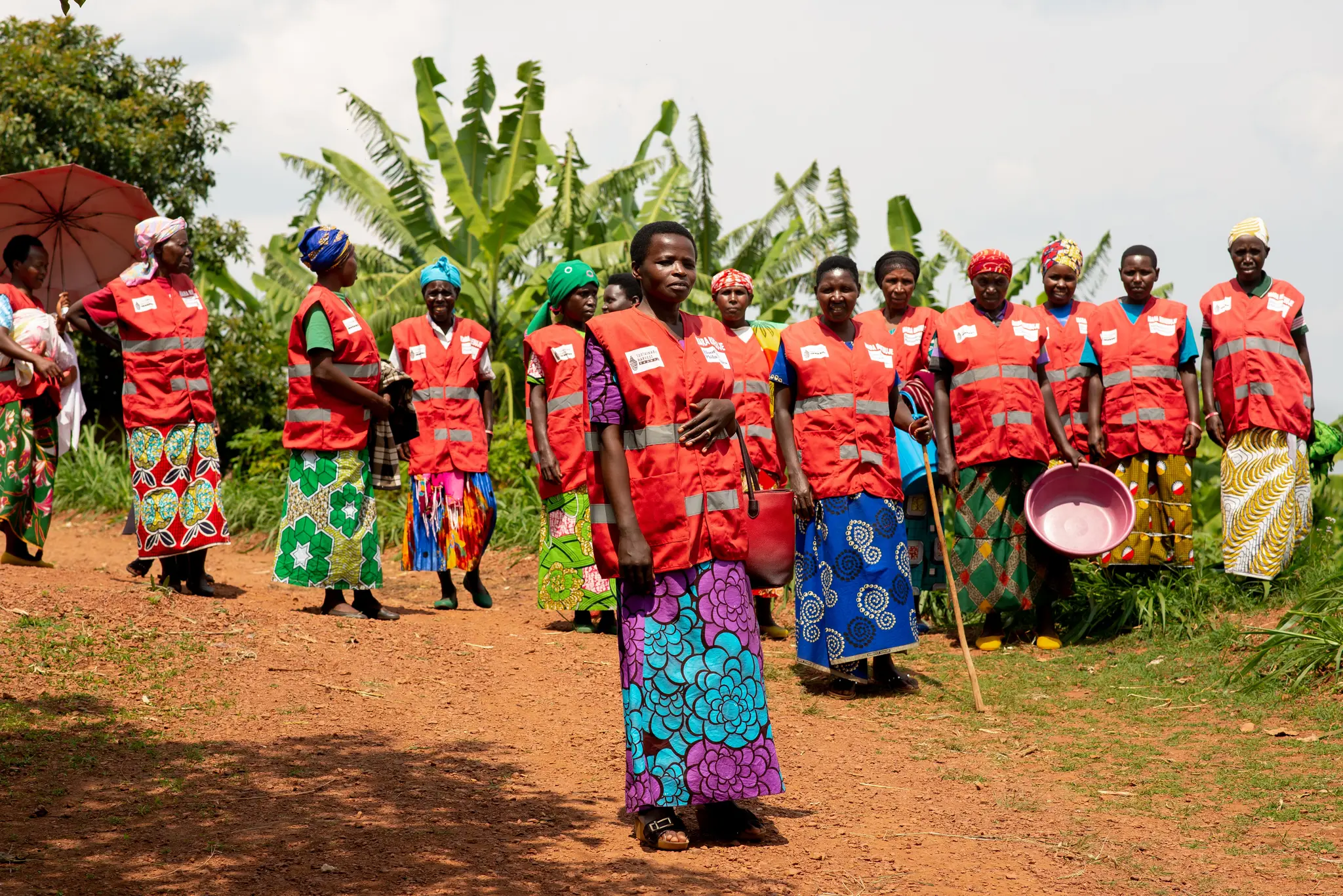
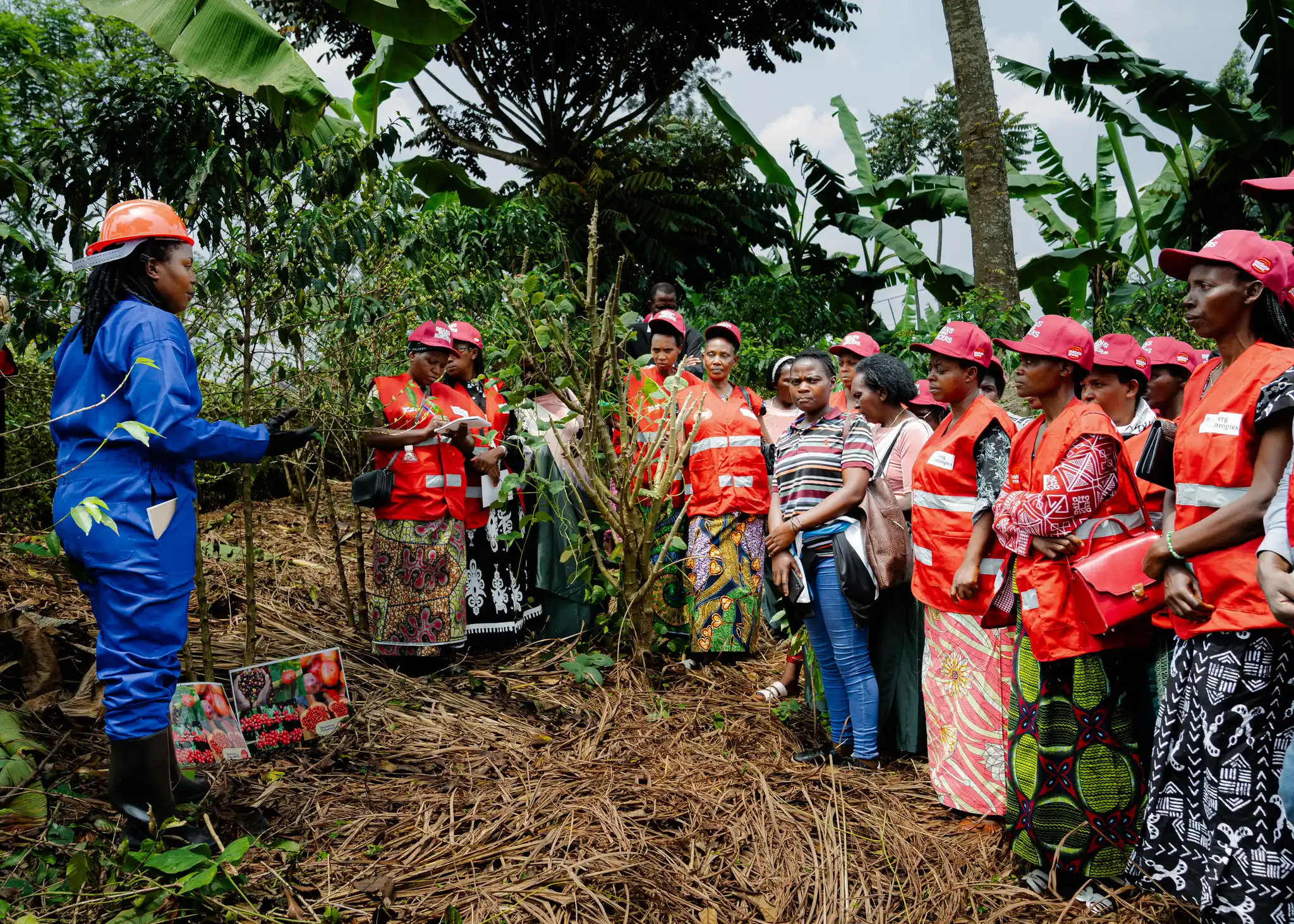
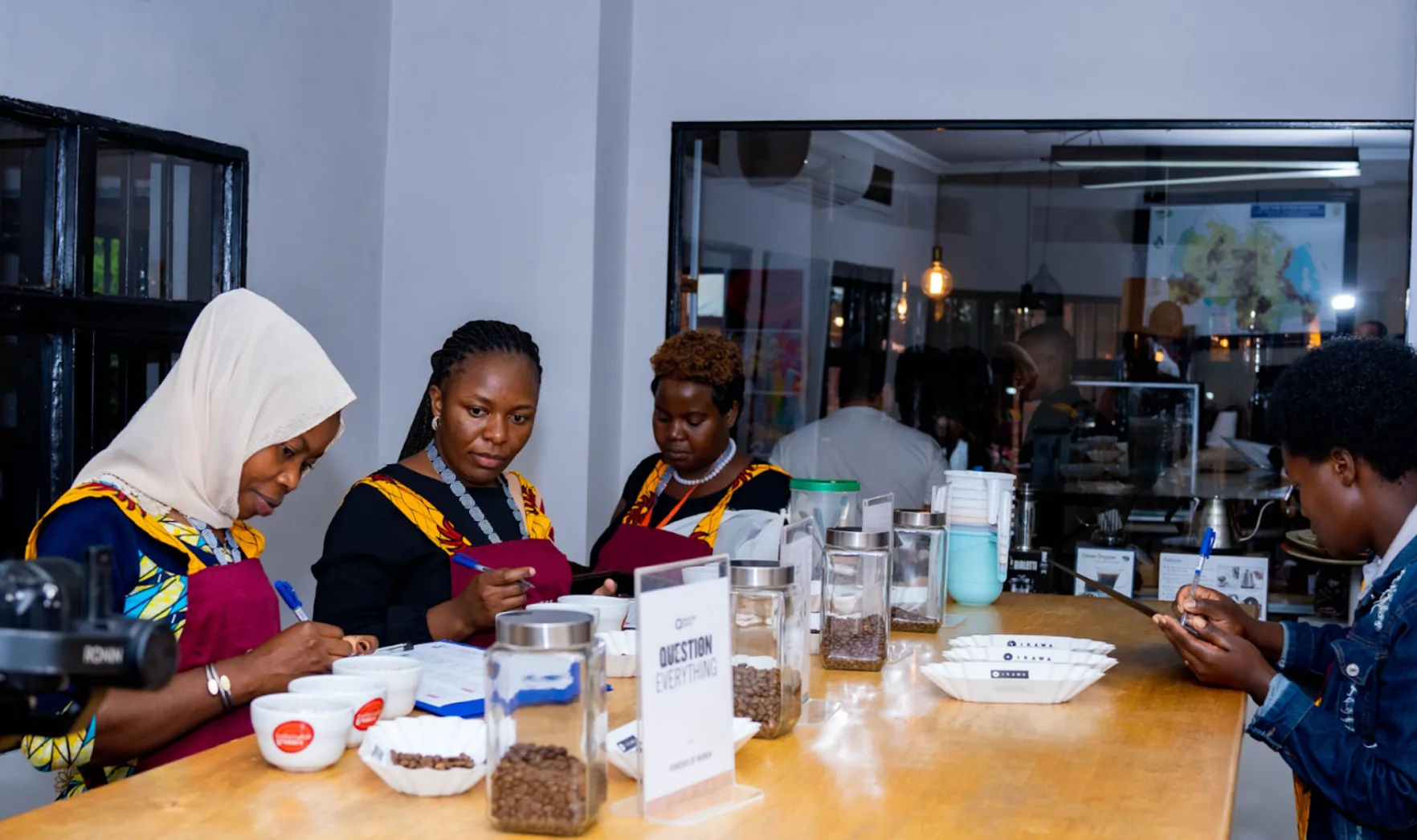
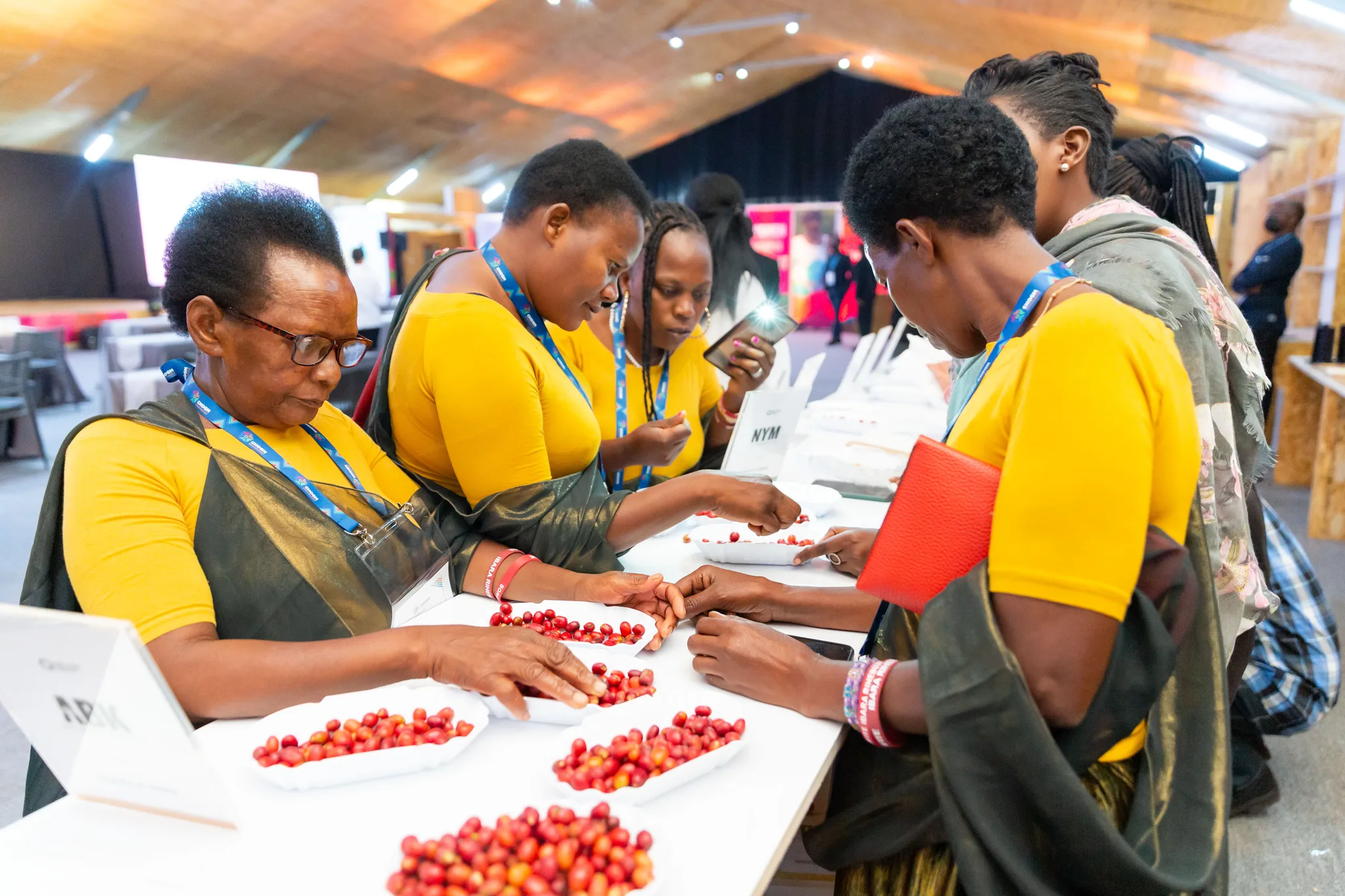
Since 2013, we’ve invested in the innovative training of coffee farmers and producers with Sustainable Growers. Before training, women would pick cherries from the coffee tree that were not ripe. Once they learned the color of excellence was red, it was worn as a vest and a bracelet written in their language: “only pick cherries that are this color.” The value and quality of their coffee increased by 40% in the first eight weeks of training.
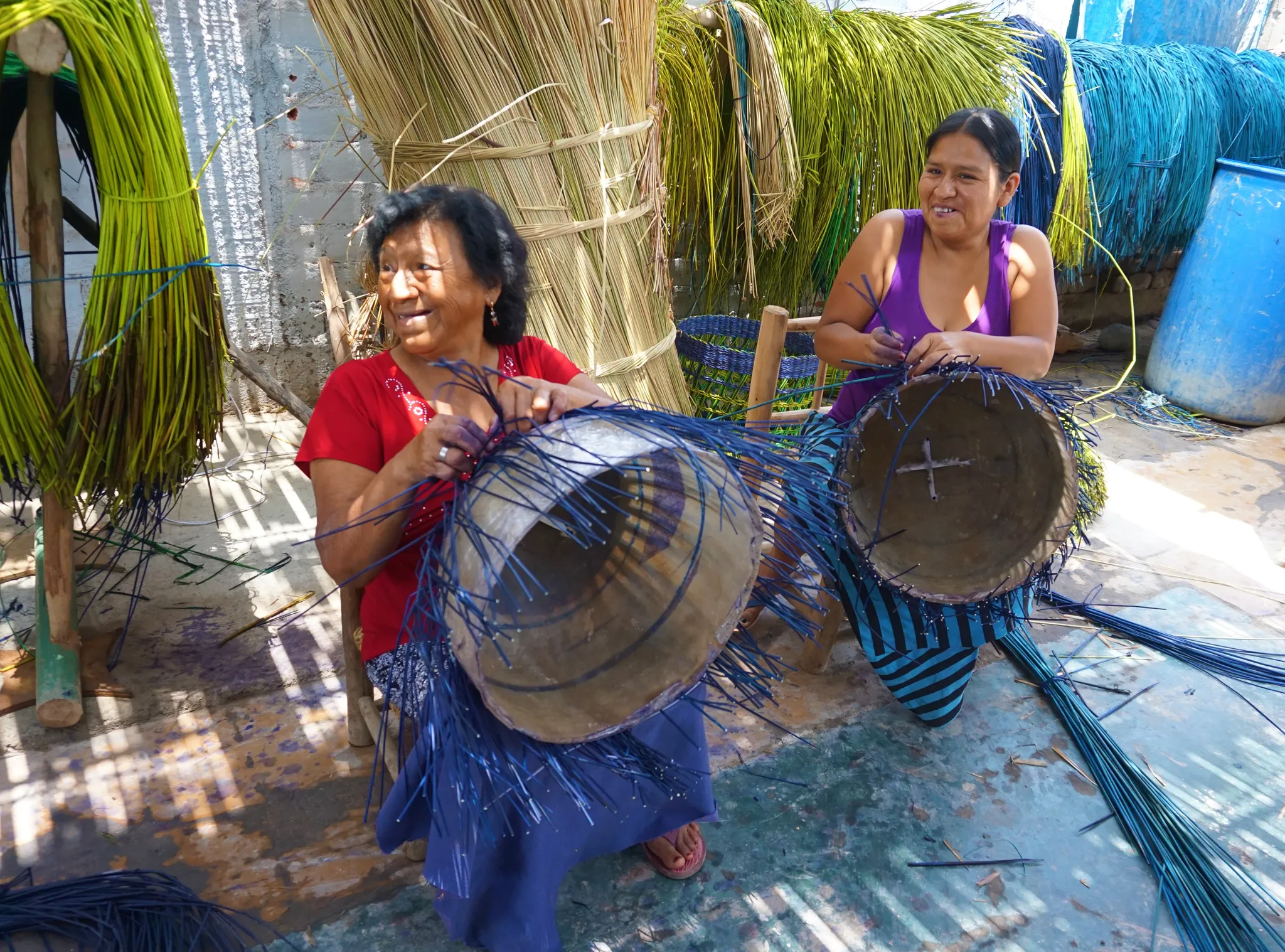
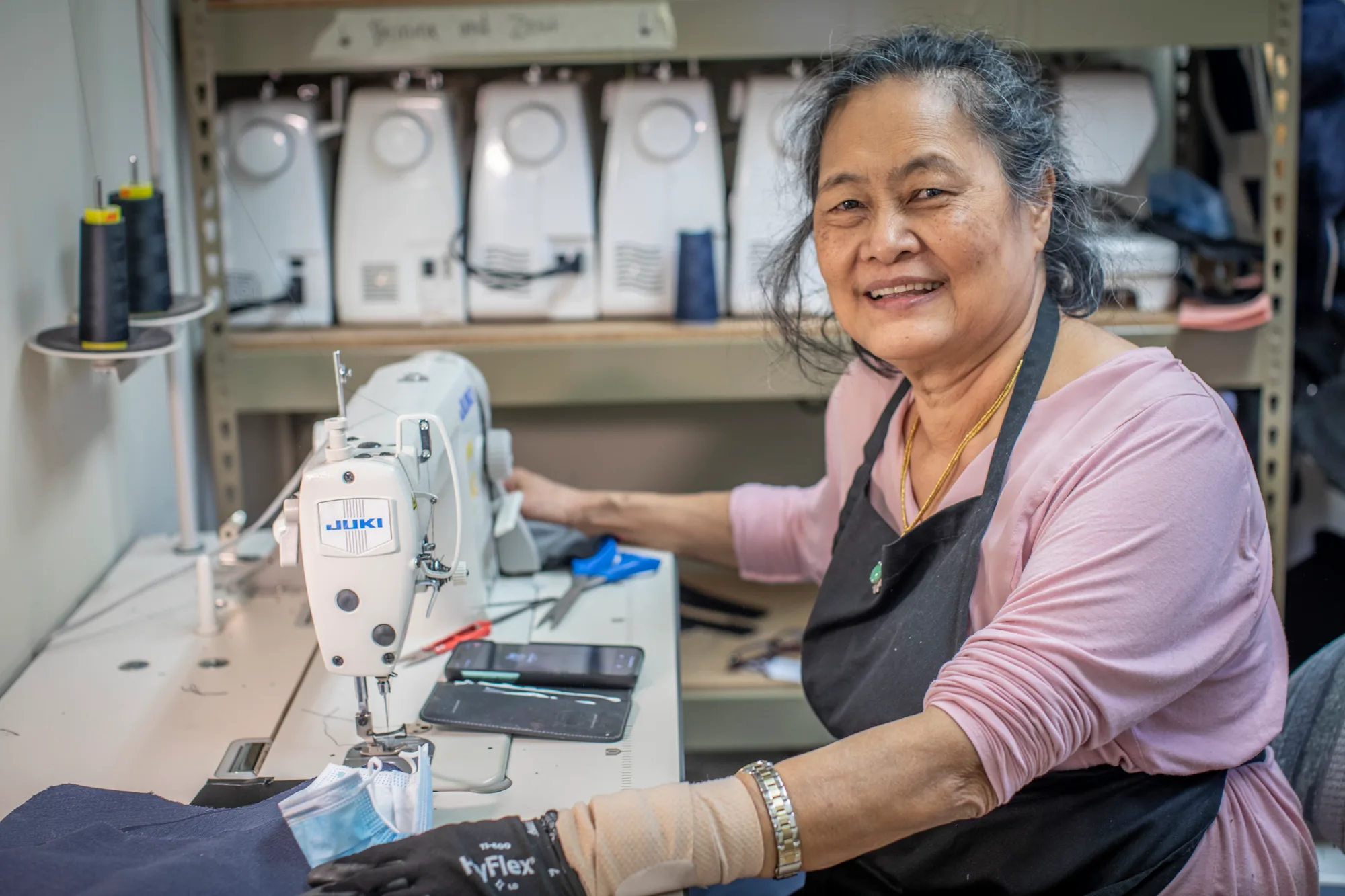
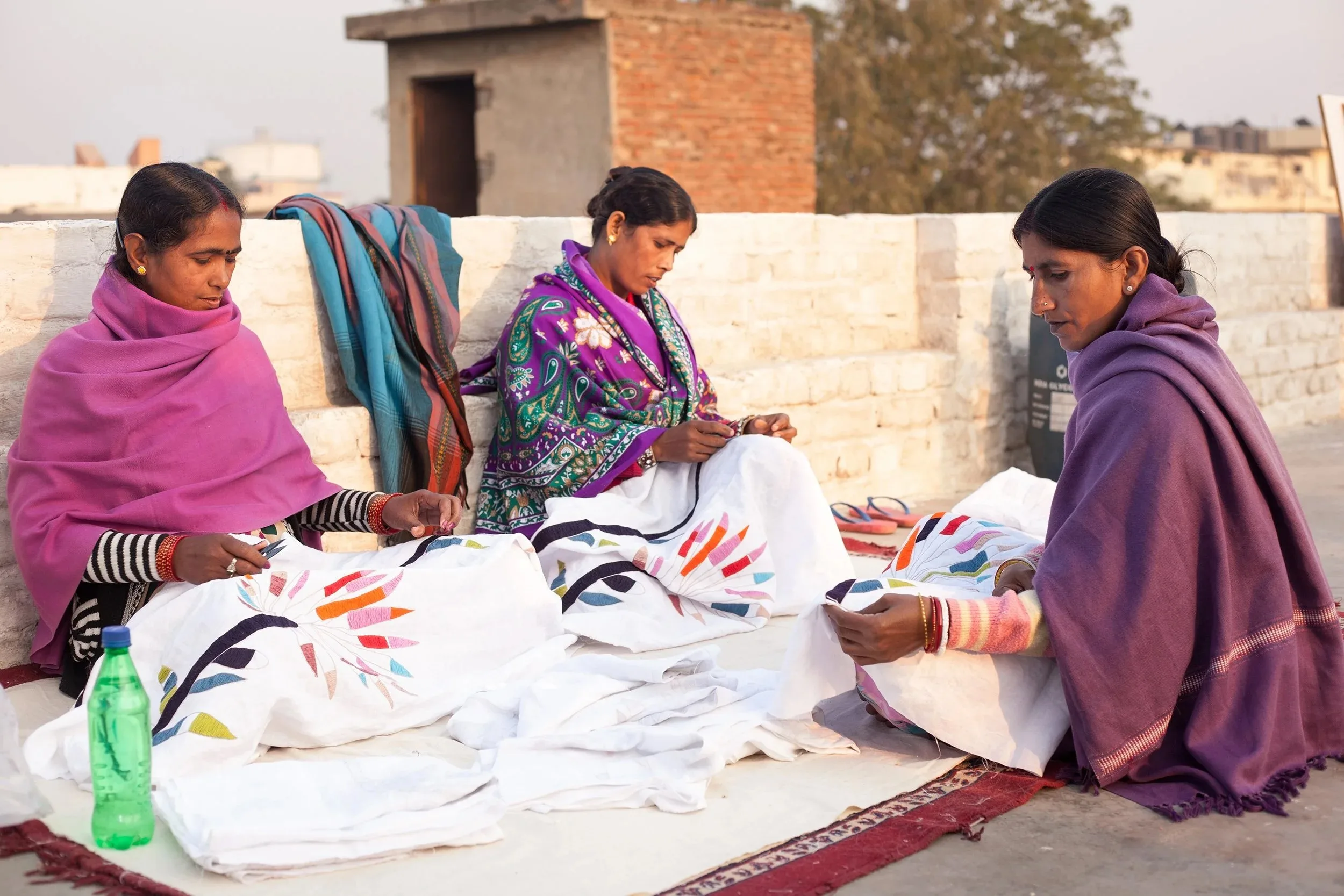
Since 2014, we’ve invested in the Nest Guild to strengthen the capacity of handworkers while expanding market access to this global workforce.
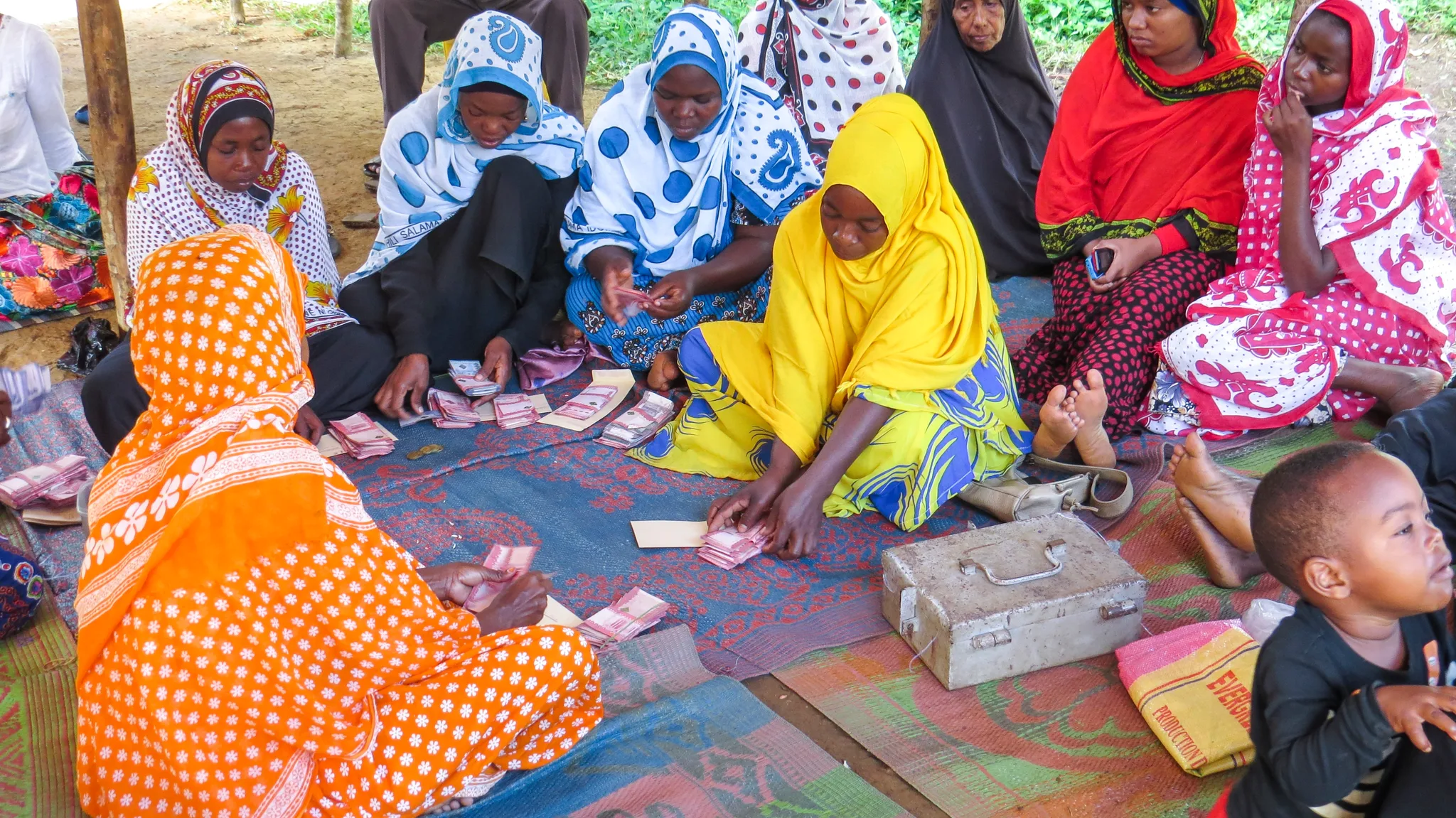
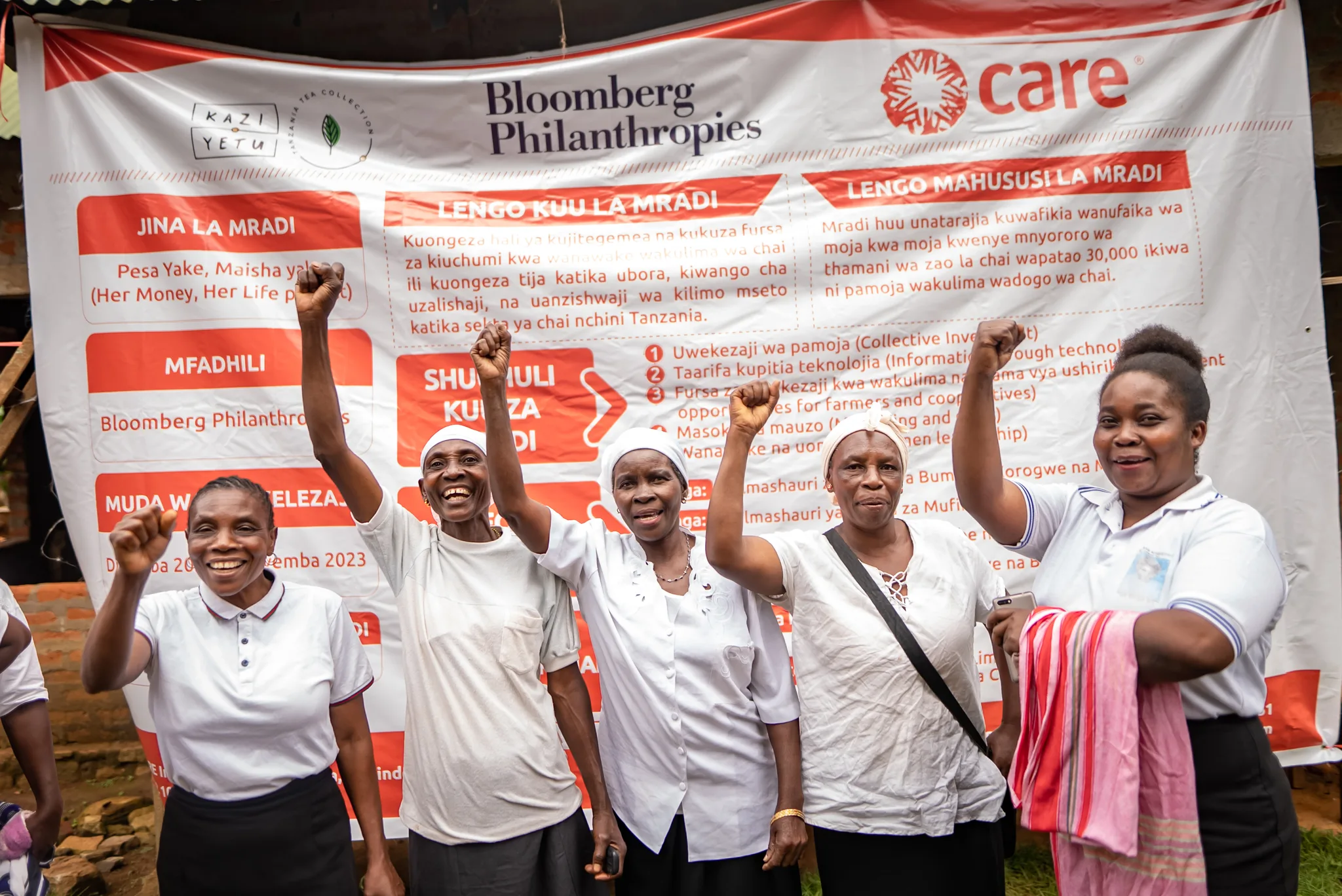
In 2020, we partnered with CARE to develop an agrifund, increasing women farmers’ capital and agricultural productivity through collective investments in Village Savings and Loan Associations. Building on the success of the program, the partnership was expanded to train 41,000 Village Savings & Loan Association presidents reaching over 150,000 farmers.
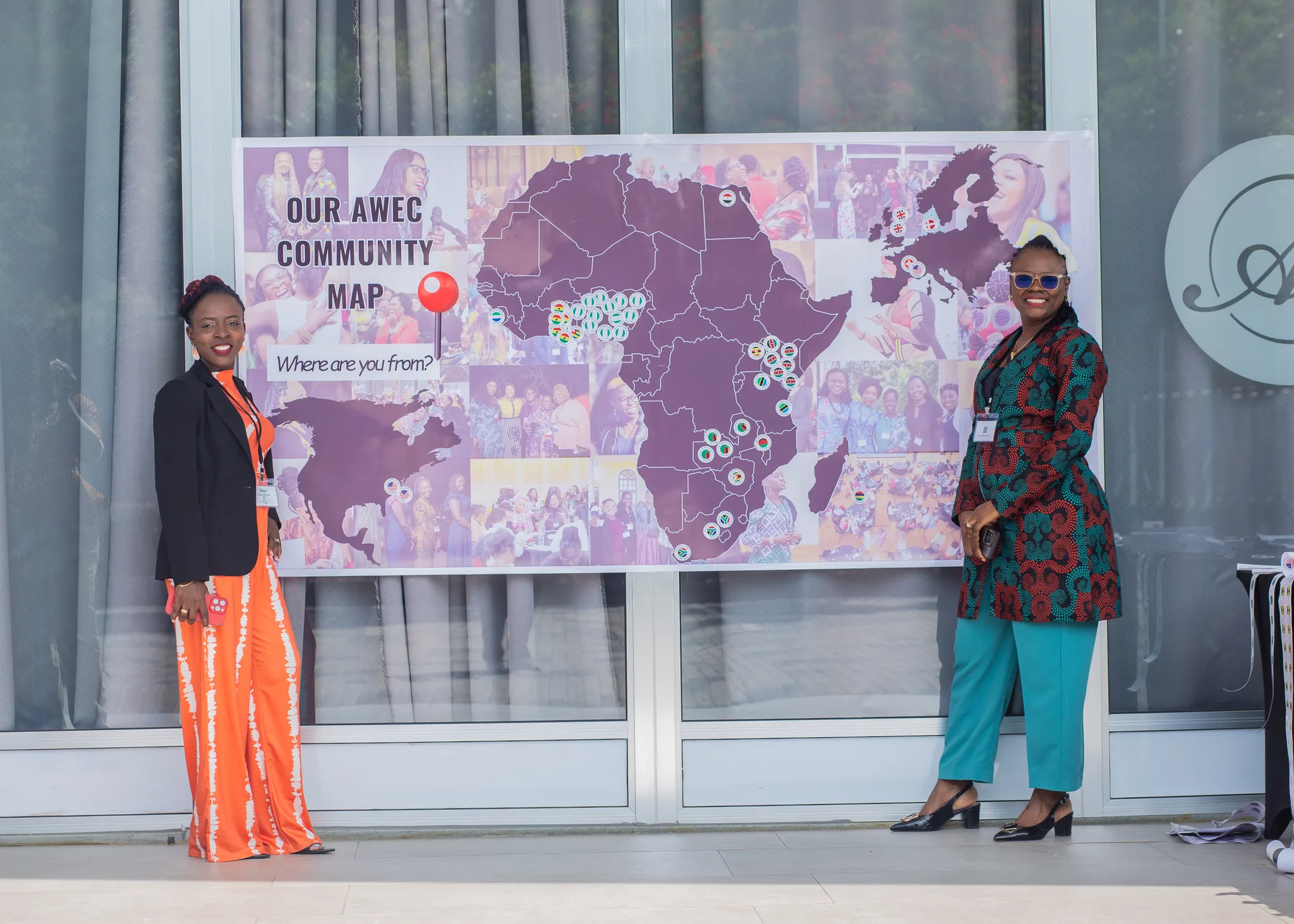
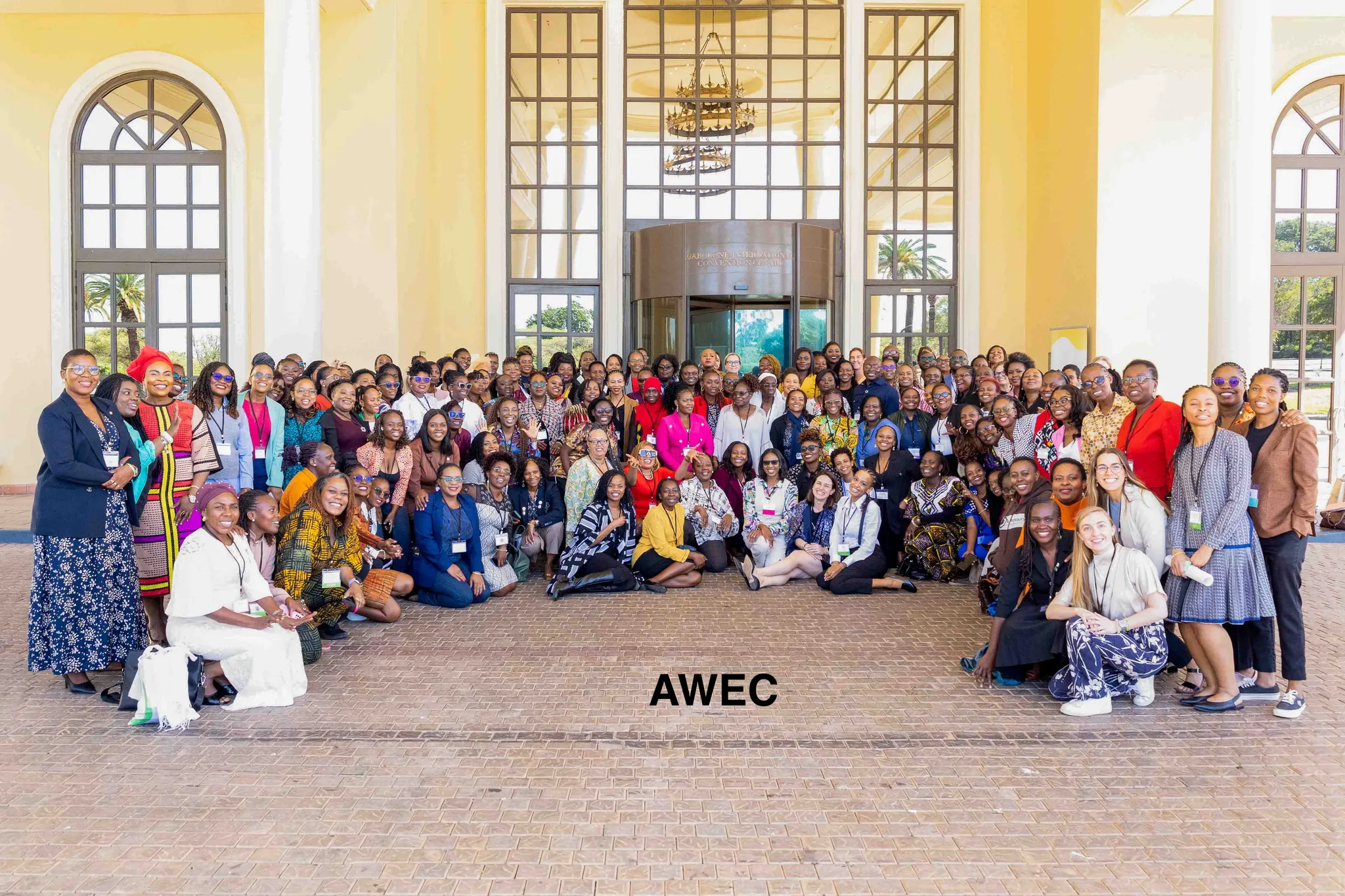
In 2021, we partnered with the African Women Entrepreneurship Cooperative to support women entrepreneurs in Africa. Following a skills-based individual plan, women entrepreneurs develop long-term strategies and sustainable business models to ensure sustainable impact on their businesses and employees.
Click here to learn more about this work. You’ll find reports, a documentary highlighting basket weaving initiatives in South Carolina and Africa, and a product catalog.