More people now live in the world’s cities than ever before, putting cities and their leaders on the frontlines of addressing global challenges. Bloomberg Philanthropies’ Government Innovation program focuses on bolstering local governments’ abilities and ambitions by strengthening their capacity to harness data, solve problems, and better serve residents.
Replicating Proven Solutions Across Cities
While cities often face many of the same challenges, it can be difficult for them to identify, evaluate, and replicate effective policy solutions developed elsewhere. For more than a decade, Bloomberg Philanthropies has led efforts to make idea sharing and replication between cities a standard practice.
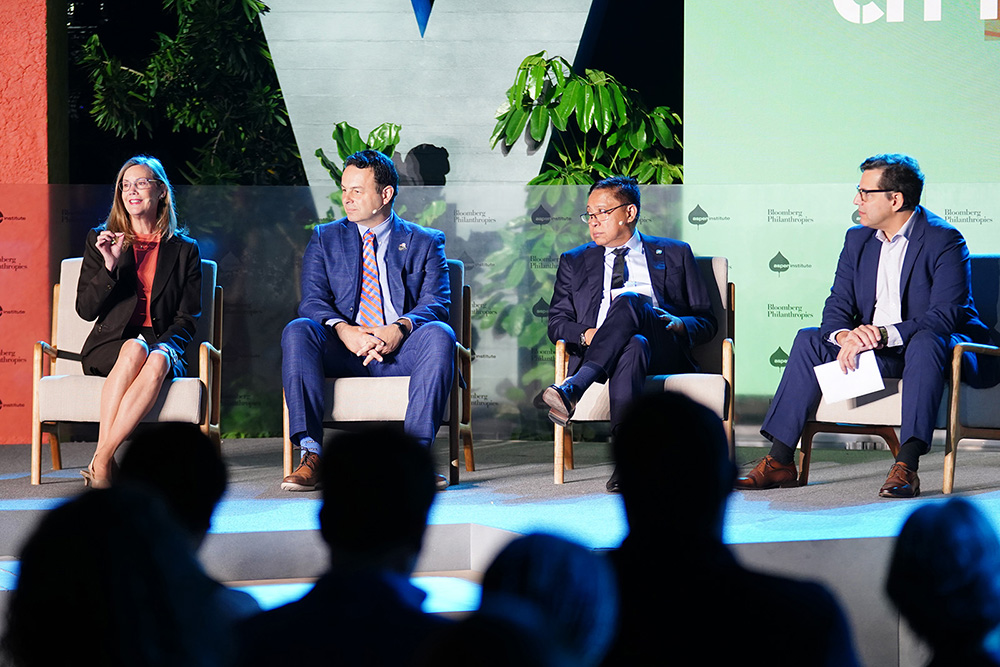
At Bloomberg CityLab 2024 in Mexico City, we welcomed Mayor Norton of Rochester, MN, Mayor Sayegh of Paterson, NJ, and Mayor Lagnada of Butuan City, Philippines, to discuss their cities’ Mayors Challenge projects.
SPOTLIGHT
Global Mayors Challenge
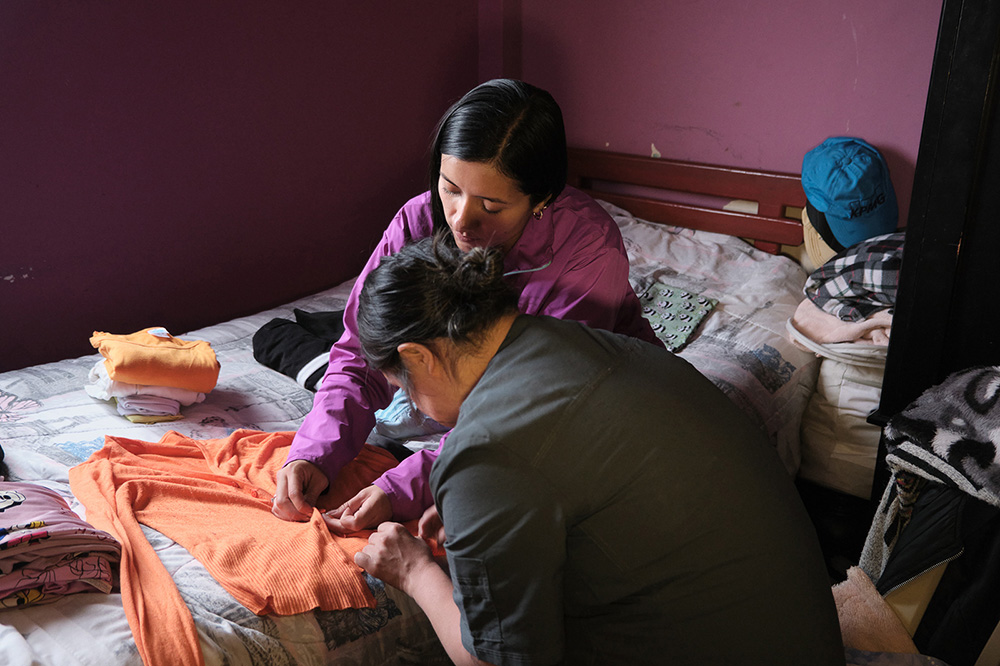
Bogotá, Colombia
Provided support services for women to ease the burden of unpaid caregiving.
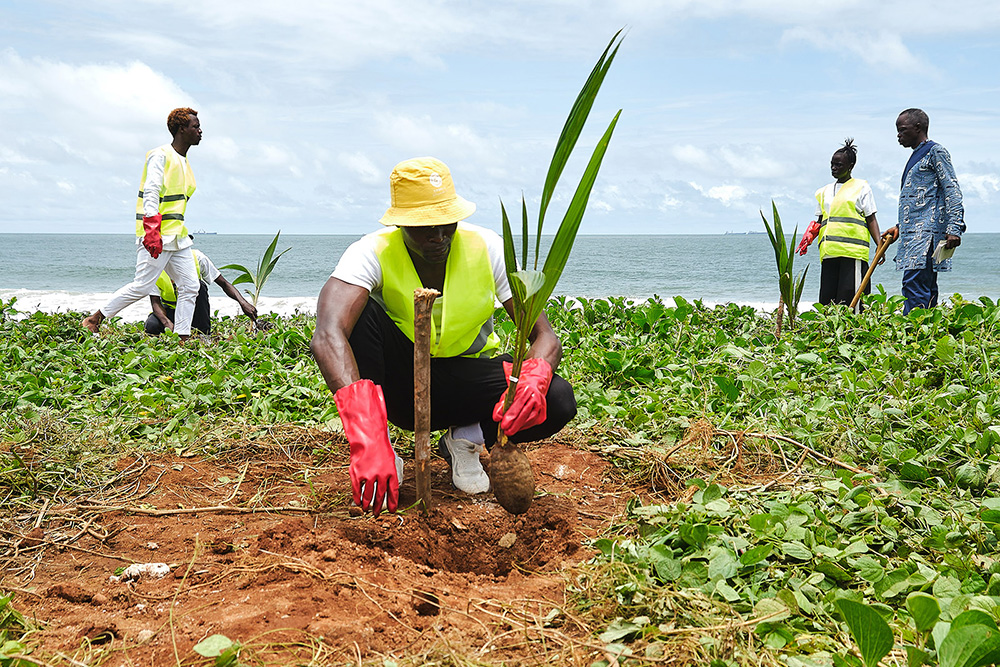
Freetown, Sierra Leone
Restored 2,500 acres of tree coverage with monetary incentives for tree-planting.

Rourkela, India
Provided women food vendors with solar-powered cold storage that increased their income by 62%.
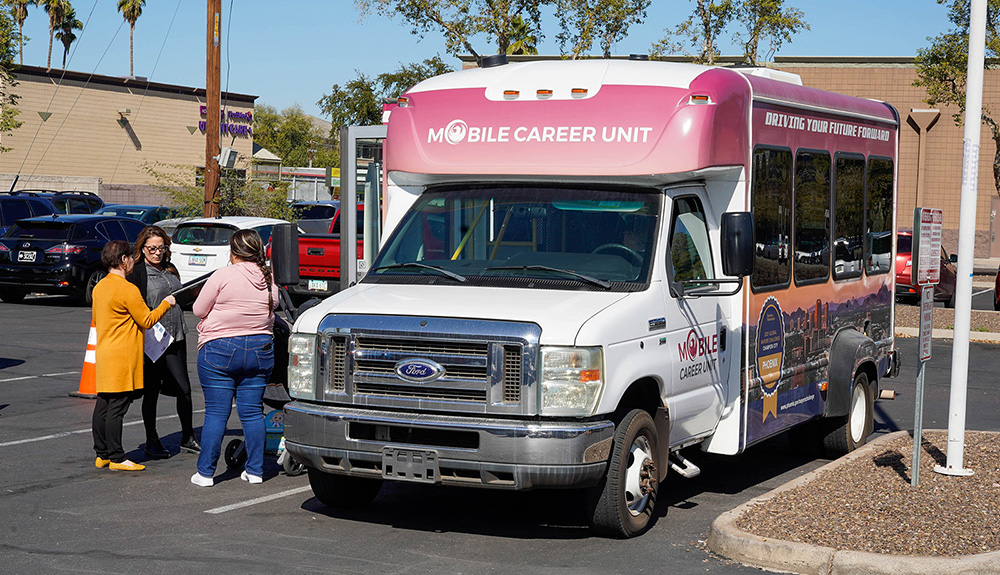
Phoenix, AZ, USA
Helped over 350 residents get jobs through a mobile career van for job seekers without internet access.
Strengthening City Leadership
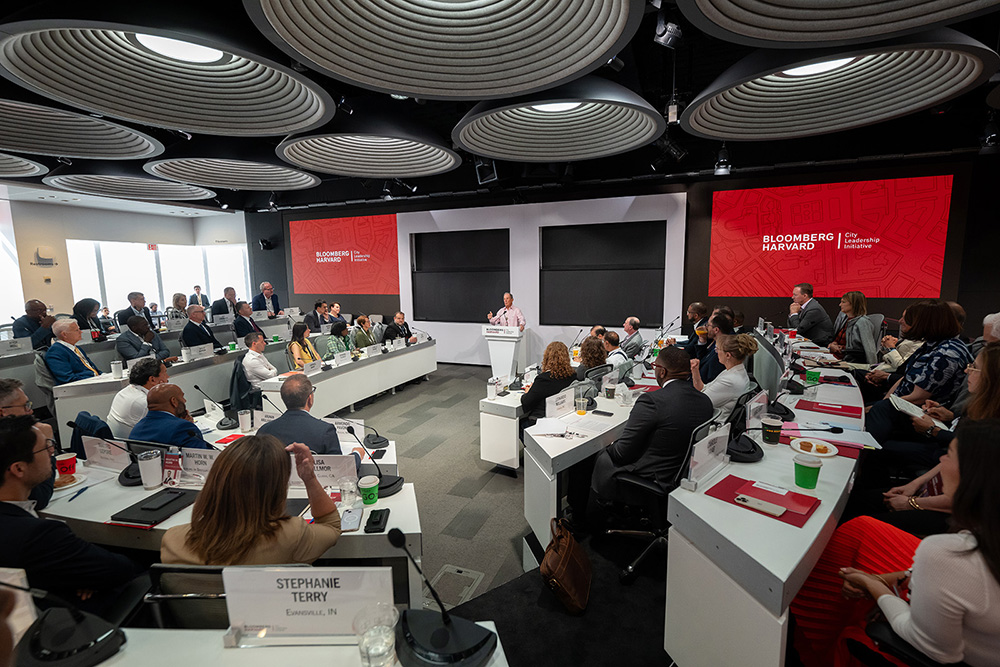
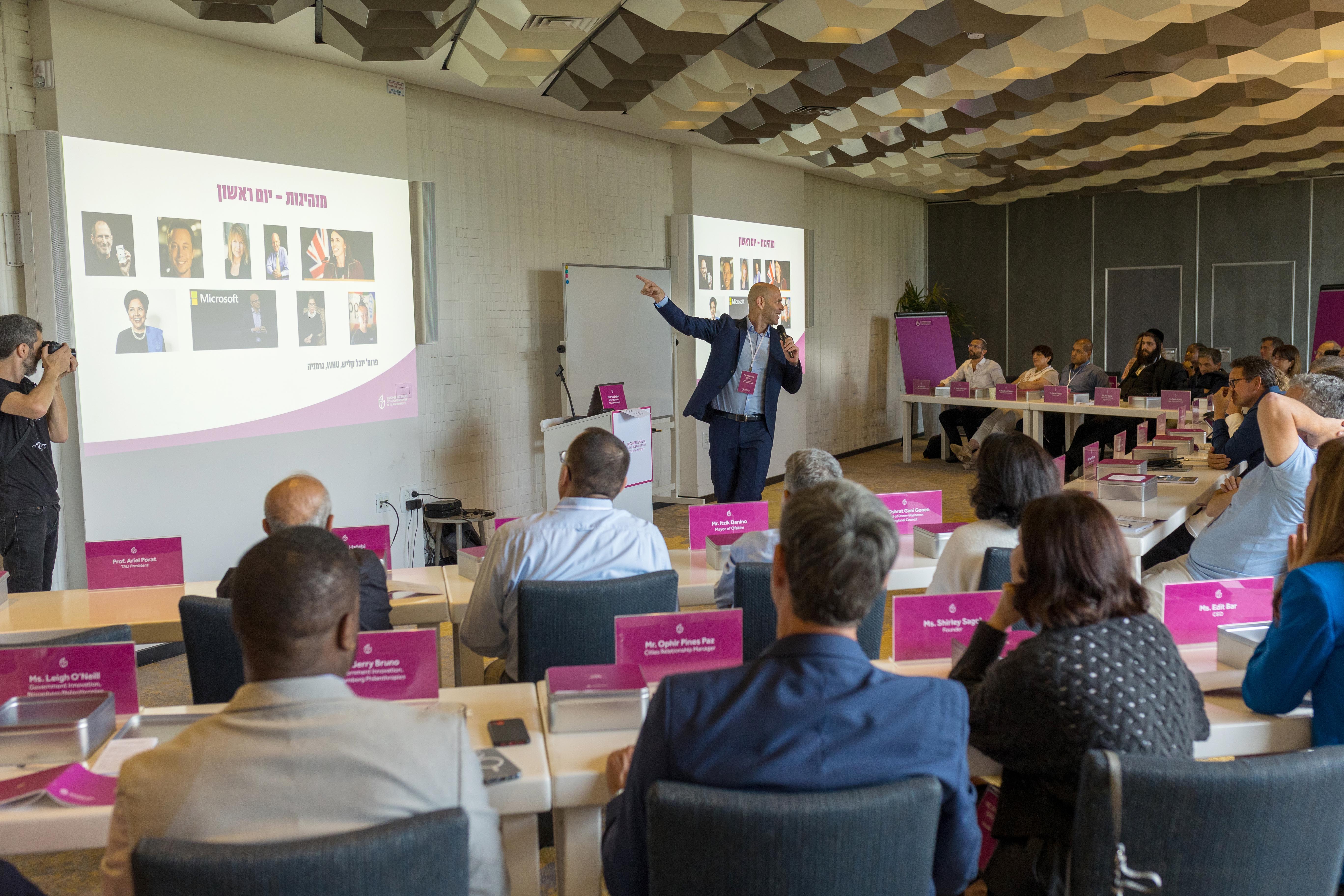
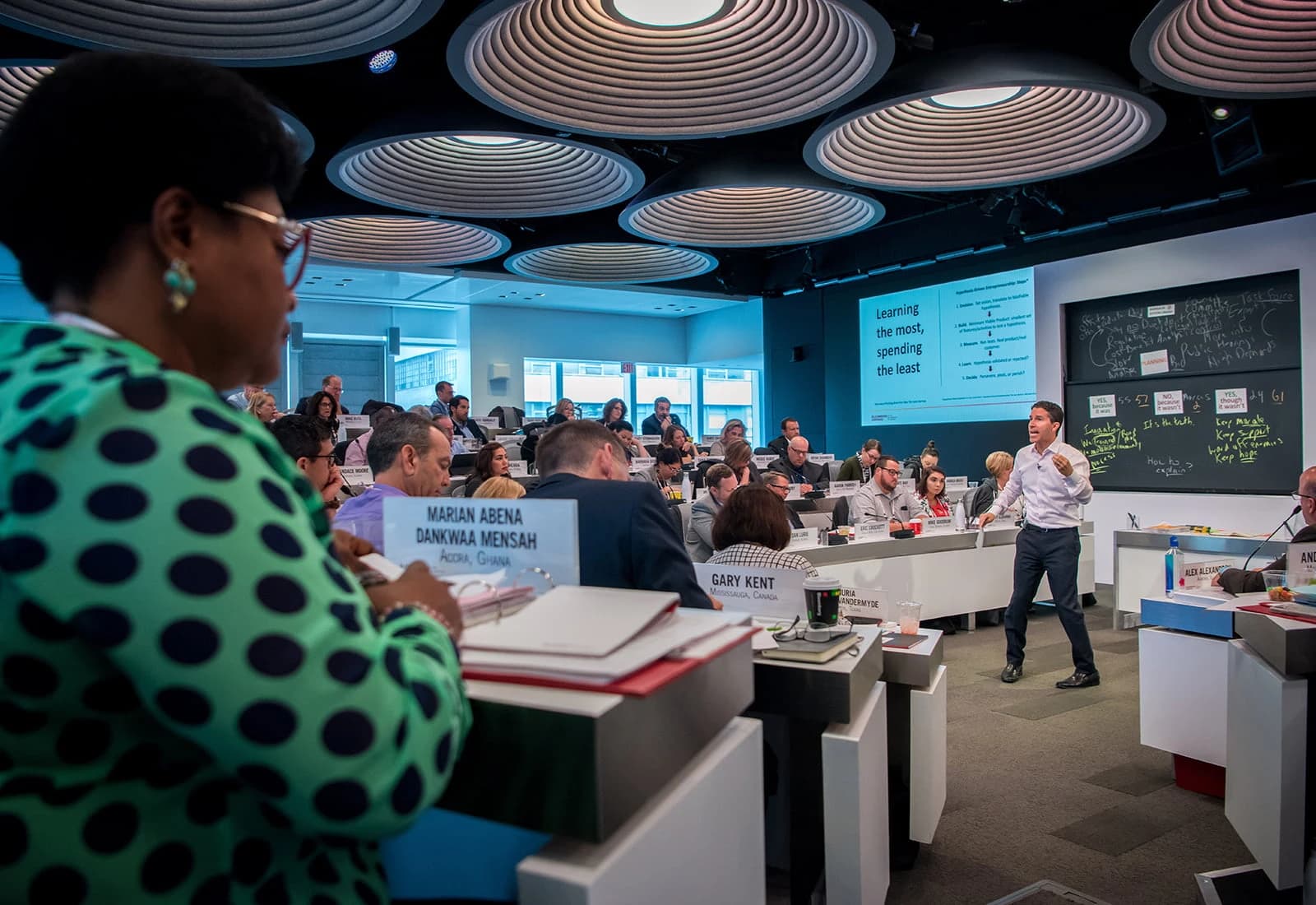
In July 2024, Mike spoke to the eighth class of mayors in the Bloomberg Harvard City Leadership Initiative.
City leaders are under pressure to deliver solutions to increasingly complex problems – but unlike the private sector, they have not traditionally had access to leadership development opportunities.
Recognizing this unmet need, we brought together Harvard Business School and Harvard Kennedy School to launch an executive education program, serving 314 mayors and 554 of their senior staff since 2017. We also launched sibling programs in Israel and Africa – and are launching a new European city leadership initiative with the London School of Economics and the Hertie School in Berlin in the fall of 2025.
314
314mayors and 554 senior staff provided with executive leadership training
3
3sibling programs launched to train city leaders in Israel, Africa, and Europe
Using Data to Improve Residents’ Lives

In October 2024 in Mexico City, we brought together more than 700 mayors, policymakers, and urban experts for our eleventh annual Bloomberg CityLab summit, where Mike described the challenges and opportunities that cities are grappling with today.
Over the course of a decade, Bloomberg Philanthropies has built a global movement to embed data at the heart of how cities identify challenges and solutions, make decisions, evaluate progress, and look ahead. Building on this foundation, we lead a program with Johns Hopkins University called the City Data Alliance, which has provided 65 cities with in-depth coaching, data skills training, and technical assistance to strengthen city-wide data use.
SPOTLIGHT
Baltimore, MD
Created a data-driven task force that helped the city address 19,000 complaints about potholes, graffiti, and unpaved roads in less than two months.
Recife, Brazil
Launched a dashboard that is helping 800,000 residents access medications by providing real-time updates on their availability, filling a need for people managing chronic conditions.
Las Condes, Chile
Created an AI-powered platform to better deploy safety patrols and inspections, reducing home burglaries and commercial theft by 22% and physical assaults by 60%.
Montevideo, Uruguay
Responded to a water shortage by using data to understand where vulnerable residents live and roll out water distribution sites that delivered nearly 83,000 gallons of water.
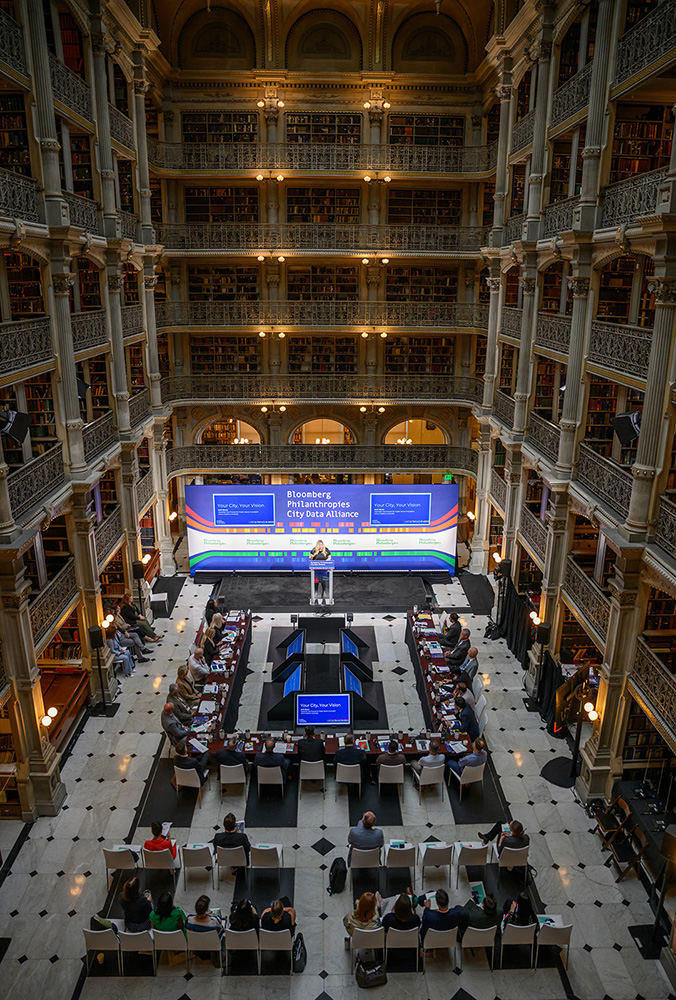
In June 2024, we brought together 23 mayors in the third class of our City Data Alliance for coaching on best practices in data use at the George Peabody Library at Johns Hopkins University.
A Fresh Approach to Solving Challenges
To help cities better understand and solve increasingly complex challenges, Bloomberg Philanthropies continues to foster creative problem-solving and innovation in cities. We support small teams of experts in data analysis, design, and project management – known as innovation teams, or “i-teams” – in city halls to help mayors tackle their biggest priorities and drive transformational change. To date, we have supported i-teams in 86 cities across nine countries. In 2025, we will launch i-teams in eight U.S. cities and up to 20 European cities.
SPOTLIGHT
Bogotá, Colombia
The Bogotá i-team took on the city’s water crisis, adapting an AI chatbot the team had helped create to share live updates with residents. They also redesigned a water utility bill to include behavior nudges to reduce consumption, which has reached an estimated 2.4 million households.
Reykjavík, Iceland
To cut down wait times for students to access behavioral support services, the Reykjavík i-team embedded resources in every school and developed a shared data model to align everyone supporting each child. As a result, the quality of support has gone up and wait times have fallen by 75%.
Helping Secure U.S. Infrastructure Support
After the United States rolled out historic federal infrastructure funding, we recognized that few small and mid-sized cities and towns had the capacity to navigate the competitive grant application process. To meet this need, Bloomberg Philanthropies worked with partners to launch the Local Infrastructure Hub, which provides webinars and in-depth grant-writing bootcamps to help identify funding opportunities, craft strong applications, and secure support.
To date, the Local Infrastructure Hub has served more than 2,400 localities, the vast majority of which have fewer than 50,000 residents. They have won more than $4.6 billion in funding for infrastructure projects.
Strengthening City Governments to Improve Residents’ Lives
Globally, more people live in cities than ever before, and they are increasingly on the front lines of the world’s most pressing challenges. Local governments have a leading role to play in developing solutions but often lack the resources and expertise to make progress. Bloomberg Philanthropies’ Government Innovation program aims to help by strengthening city halls and their capacity to address major issues and better serve residents.
Overview
Improving city leadership through management training
Supporting cities to better use data and innovate more effectively
Developing, scaling, and spreading ideas to tackle city challenges
Convening city experts to share solutions
Investing in Leadership Training for City Leaders
Many mayors enter office without practical management experience or a network of peers to share ideas. In response, Bloomberg Philanthropies partnered with Harvard Business School and Harvard Kennedy School in 2017 to provide world-class leadership and management training for mayors and their staff. The Bloomberg Harvard City Leadership Initiative has now provided intensive classroom sessions and support to 232 mayors and 394 senior staff from 31 countries. In April 2023, we opened the Bloomberg Center for Cities at Harvard University, home for all of our work together to empower city leaders, including a “First 100 Days” program for new mayors, endowed faculty positions, and graduate student fellowships.
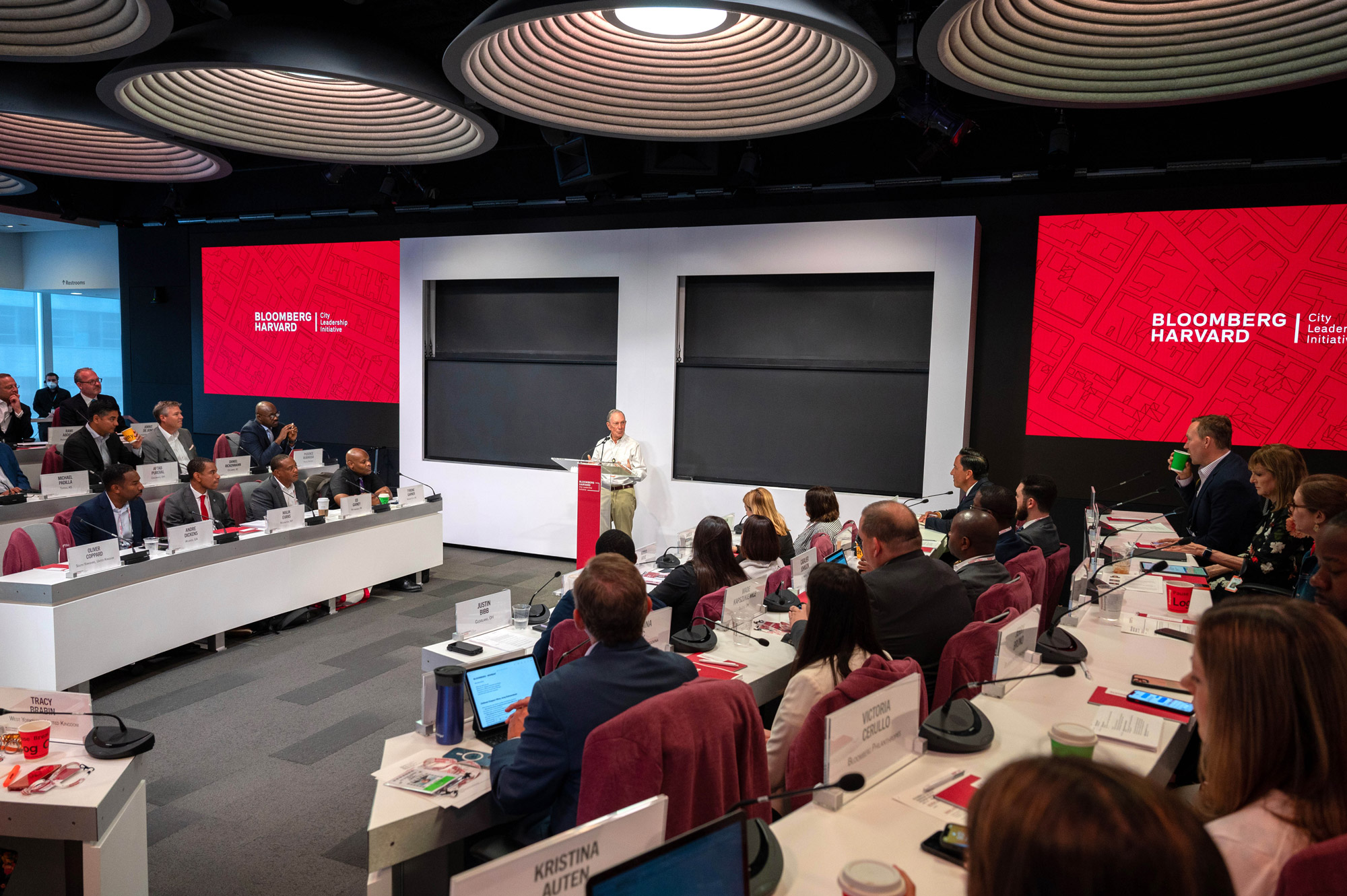
To spread our impact, we have also joined local partners in Israel and South Africa to support additional training programs globally. The Bloomberg-Sagol Center for City Leadership at Tel Aviv University, launched in 2022 with the Sagol family, and the African Mayoral Leadership Initiative at the University of Cape Town, supported in 2023 with Big Win Philanthropy, will reach 20 mayors in Israel and 20 mayors in Africa every year.
Global Reach, Local Impact:
Tel Aviv
Helping U.S. Cities Secure Historic Federal Funding
After the United States passed major funding for issues like climate and infrastructure, we recognized that few cities had the capacity to complete competitive applications, so we created a program to help mayors navigate and apply for the historic federal funding available. With the U.S. Conference of Mayors, the National League of Cities, and other partners, we launched the Local Infrastructure Hub to provide webinars, workshops, and additional application support for cities. Online sessions have featured speakers like Secretary of Commerce Gina Raimondo, Secretary of Energy Jennifer Granholm, and White House Infrastructure Coordinator Mitch Landrieu. We have engaged more than 900 cities to date.
Spotlight
Local Infrastructure Hub
In February 2023, the Local Infrastructure Hub helped 48 cities win nearly $250 million through the federal Safe Streets and Roads for All program to improve their road infrastructure and save lives. In total, 66 cities participating in our program have been awarded $327 million, with additional funding rolling out in the coming years.
Driving New Frontiers in City Data Use and Innovation
Data and innovation are critical problem-solving tools, but local governments often lack the skills and capacity they need. In city halls, Bloomberg Philanthropies spearheaded the creation of innovation teams (“i-teams”), composed of experts in data analysis, design, and project management, to take on mayors’ toughest challenges. We have also supported innovation trainings on this work for other city staff, with a focus on strengthening cities’ digital services. We have now spread i-teams to more than 50 cities globally and trained thousands of city staff. This work is housed at the Bloomberg Center for Public Innovation at Johns Hopkins University, along with the Cities of Service program that promotes citizen engagement and volunteerism to address cities’ needs.
Trained more than
12,000
12,000city leaders to better use data
Reached more than
250
250cities globally
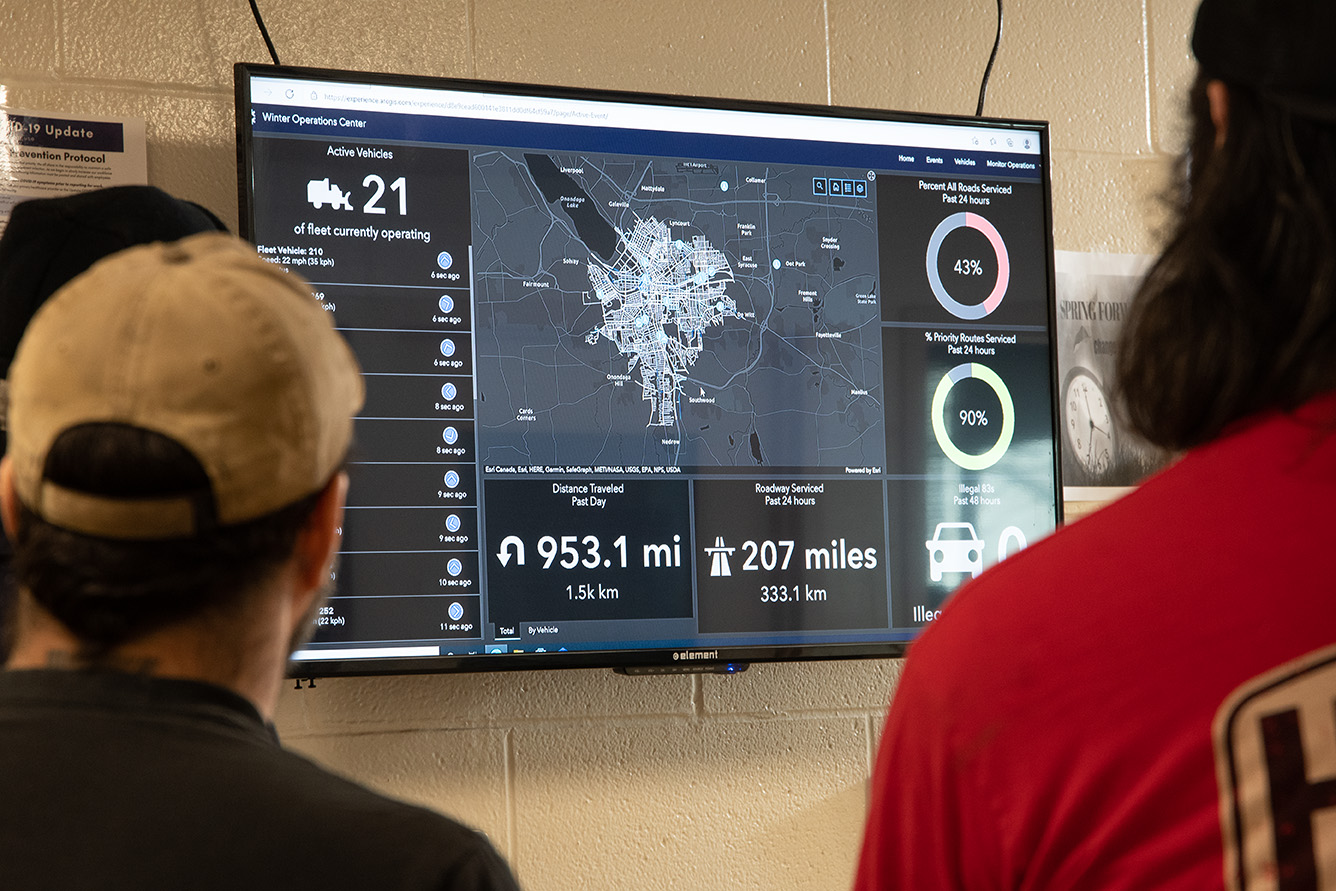
Trainings on data use that we supported helped city staff in Syracuse develop a data-driven strategy for maintaining the city’s sidewalks.
To improve cities’ use of data, we lead programs that work with cities to better solve problems and deliver data-driven services. The What Works Cities Certification program rates how effectively cities use data to govern and provides them with training and other support to improve. In 2022, we built on this work with the launch of the City Data Alliance, which will partner with 100 cities in North and South America to bring their use of data to an even higher standard through focused coaching, technical assistance, and policy change. Our work aims to embed effective data use in city governance, improving policymaking and benefiting residents for years to come.
Spotlights
City Data Alliance
Through the City Data Alliance, Fortaleza, Brazil, is working to spread best practices around data use across all city departments. As part of their work to eliminate illegal dumping, city staff are now compiling data on neighborhood waste from different departments, city systems, and resident complaints to more efficiently organize and assign trash collectors’ routes.
Innovation Teams
In Mexico City, Mexico, the i-team worked to expand access to the city’s digital services site, called “Llave CDMX.” The team helped simplify and streamline the user experience, while adding 28 additional services and the ability for residents to submit questions. As a result, the site added 1.1 million users in just six months, who can now access birth certificates, pay parking tickets, get construction permits, and more.
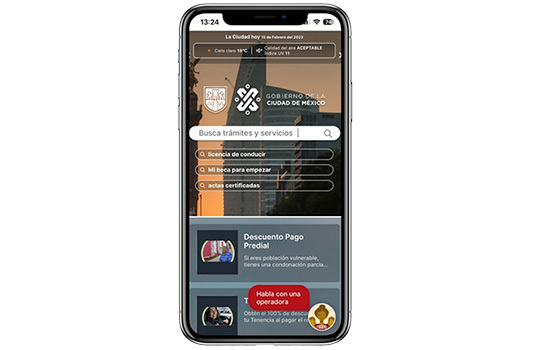
Credit: Digital Agency for Public Innovation, Mexico City Government
Syracuse, New York, with support from the city’s i-team, is digitizing its current paper-based procurement process and working to better reach minority- and women-owned businesses. In addition to ensuring that city procurement can happen much more quickly and efficiently, this project makes it easier for a new and diverse set of vendors to learn about contracting opportunities and connect with the city.
Videos
Watch How We Help Cities By Enhancing Their Use of Data

Developing, Scaling, and Spreading Good Ideas
Since 2013, Bloomberg Philanthropies has run a series of regional and global competitions to spark innovative, replicable ideas that address cities’ biggest challenges. The Mayors Challenge has provided 38 winning cities with funding and technical assistance to realize their ideas across five rounds of the competition — in the United States (twice), Europe, Latin America and the Caribbean, and globally.
We’ve also launched efforts to replicate the most successful winning ideas in other cities worldwide, expanding the impact of the Mayors Challenge even further. From improving sustainability around waste to strengthening language development for young children, our efforts are helping spread effective programs to reach millions of residents in cities globally.
Spotlight
Mayors Challenge
Credit: Istanbul Metropolitan Municipality
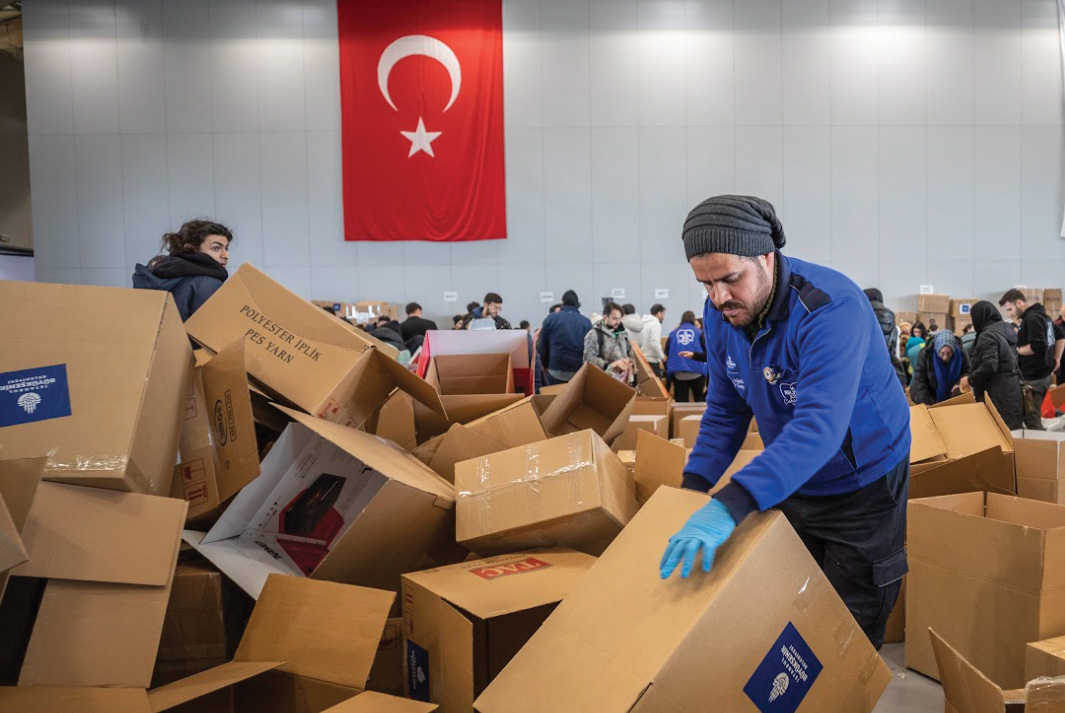
Istanbul, Turkey, was a winner of the 2021 Global Mayors Challenge for the “Pay-It-Forward” program, a social support and solidarity effort that matches residents burdened by unpaid utility bills and other needs with those willing to provide financial assistance. Following a catastrophic earthquake in February 2023, the program pivoted to add an “earthquake relief” option in partnership with local supermarkets, facilitating donations of food, hygiene items, and more than $120,000 in just two weeks.
Global Reach, Local Impact:
São Paulo
Spotlight
Mayors Challenge Replication
Credit: State of Jalisco, Mexico, via Sarape Films
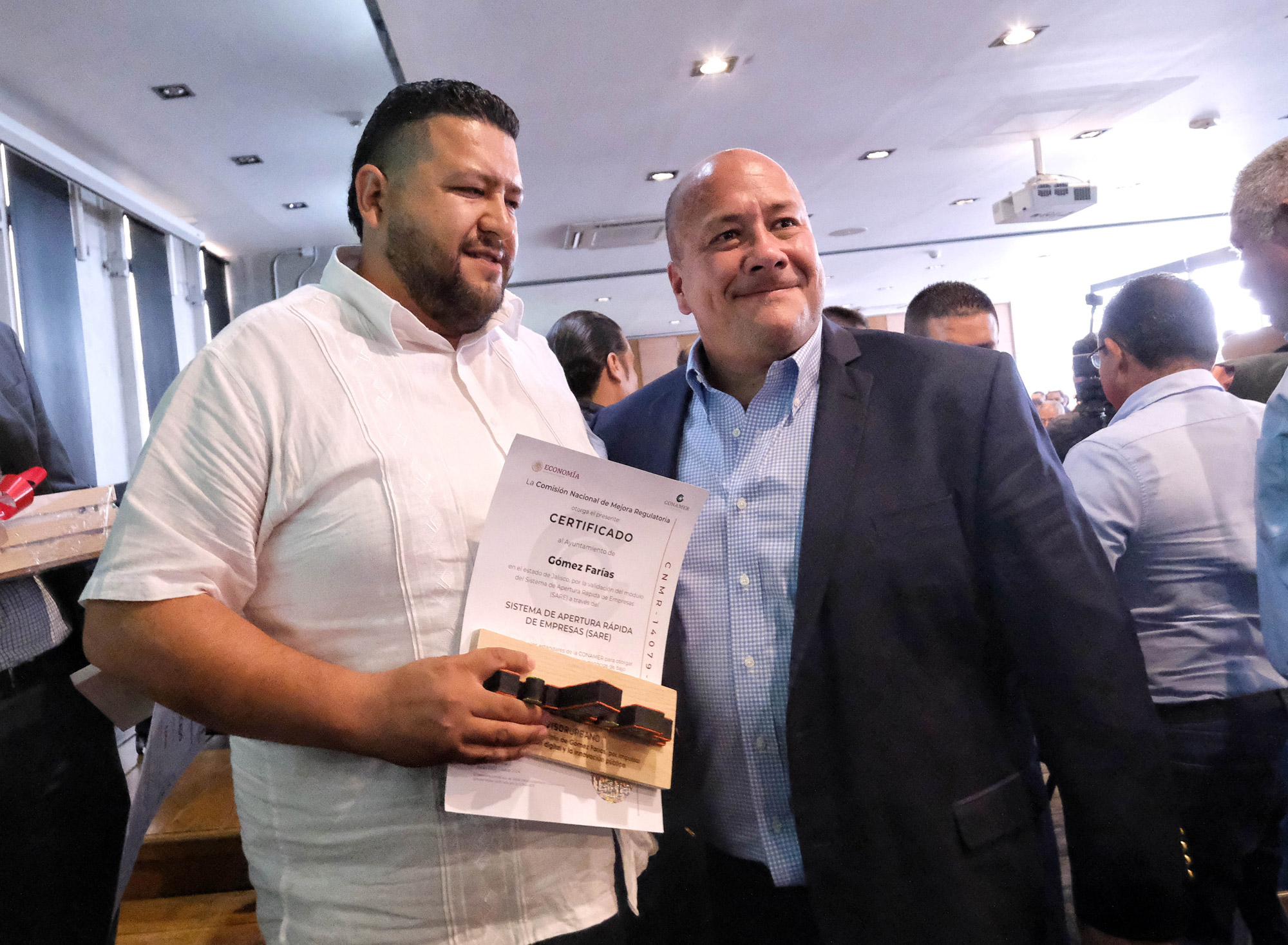
Guadalajara, Mexico, won the 2016 Mayors Challenge for a project, called “Visor Urbano,” to digitize the city’s paper-based licensing and permitting process and reduce corruption. Championed by Mayor Enrique Alfaro Ramírez, who has gone on to become governor of the state of Jalisco, the successful project has been replicated in 90 cities across the region and beyond, reducing costs, corruption, and wait times.

38
38winning cities named to date
Over
320
320cities replicating successful ideas
Cities around the world have now replicated a Mayors Challenge-winning project from Stockholm, Sweden, which tackles climate change by turning plant waste into biochar, a charcoal-like product that sequesters carbon.
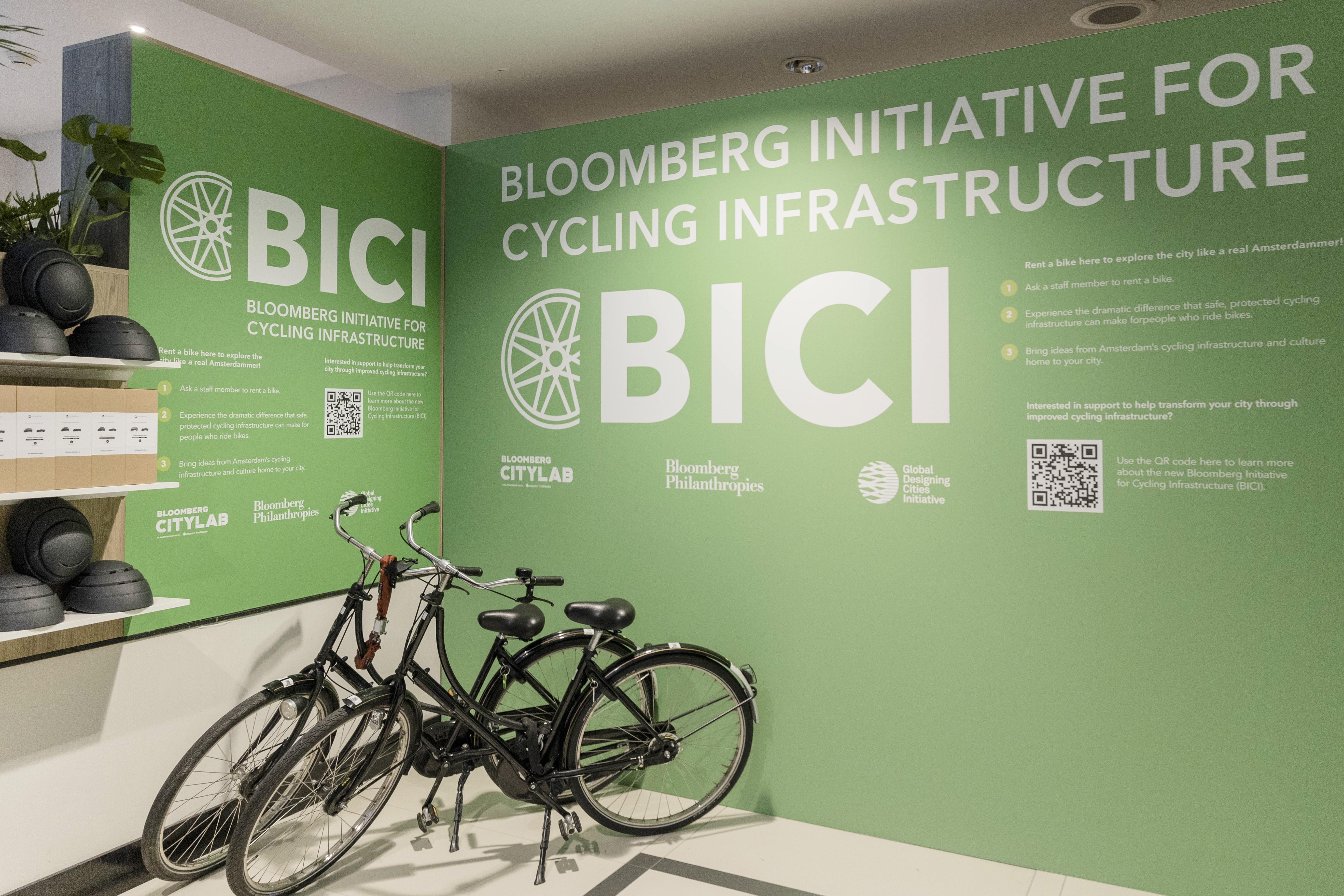
Global Reach, Local Impact: Amsterdam
Bloomberg Philanthropies’ Government Innovation program
Top photo: We provided data trainings that led city staff in Syracuse, New York, to develop a new model for repairing and maintaining sidewalks. The city is now following the data to proactively identify, repair, and maintain sidewalks to improve accessibility.