Bloomberg Philanthropies’ Public Health program focuses on the world’s leading causes of death from noncommunicable diseases and injuries, partnering with governments, communities, and other organizations to help effective, evidence-based policies take root and spread.
Saving Lives from Global Tobacco Use
Since 2007, Bloomberg Philanthropies has championed global efforts to reduce tobacco use. We’ve worked with partners to develop a package of policies proven to save lives from tobacco use, including smoke-free laws, tobacco tax increases, cessation support, advertising bans, and graphic warnings — and we support them to advocate for more of these policies at the local and national level.
In total, we have supported partners in developing and implementing 185 laws that now protect five billion people in 94 countries worldwide — saving an estimated 35.2 million lives.
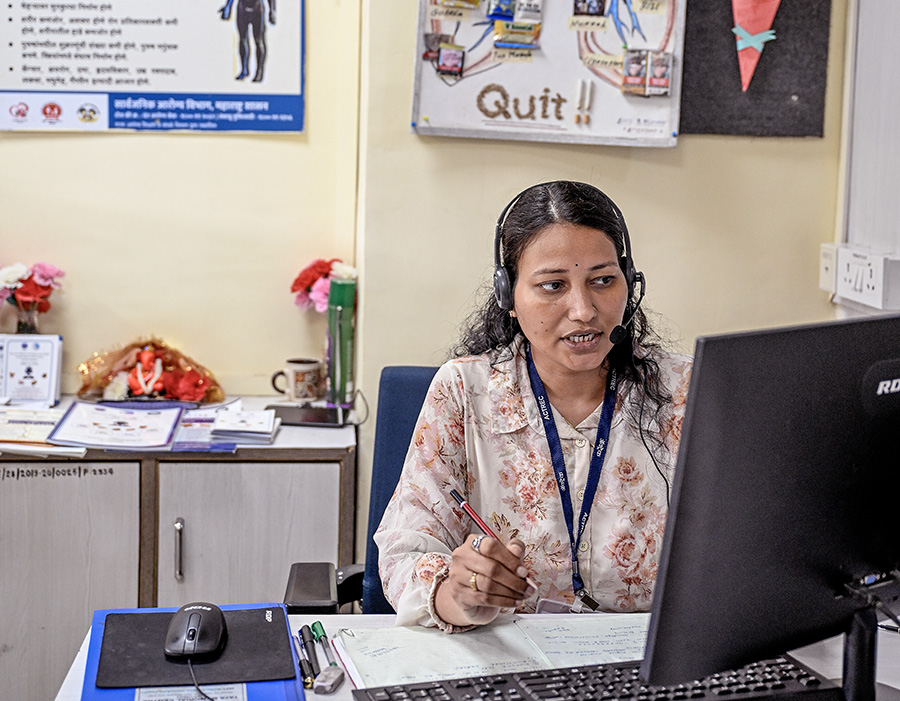
India was one of the winners of the Bloomberg Philanthropies Awards for Global Tobacco Control for its efforts to offer cessation services.
26%
26%decline in global smoking rates since 2007
35.2M
35.2Mlives saved from tobacco use globally since 2007
Global Cigarettes Sold (Billions)
Safer Roads, Safer Communities
Road crashes are the leading cause of death for young people ages five to 29. Since 2007, we have supported partners and governments to strengthen road safety laws and implement proven interventions that protect everyone on the road. To date, this has resulted in the passage of 188 national and subnational laws, covering over four billion people.
We have also supported 115 media campaigns, trained over 78,000 traffic enforcement officers, and helped redesign more than 2,300 high-risk intersections. Together, this work has saved nearly one million lives.
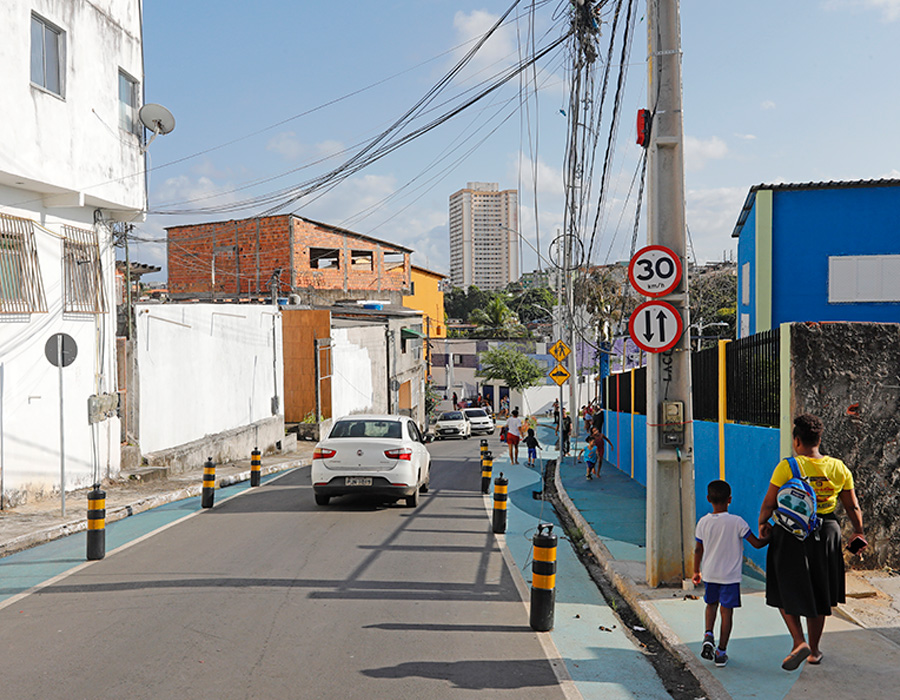
We supported partners in Salvador, Brazil, who helped to make safety improvements to a busy downtown road, including clearer speed limit signs, well-marked, wider sidewalks, and barricades. Credit: Global Designing Cities Initiative (GDCI) / Manuela Cavadas
Restoring and Improving Vision
Around one billion people globally live with untreated vision issues — and the vast majority of these issues are treatable. Our Vision Initiative is working with partners in six countries including the U.S. to provide 11 million vision screenings, distribute seven million pairs of eyeglasses, and restore sight for 250,000 people through life-changing cataract surgeries by 2027.
Since launching in May 2025, we have already helped partners distribute over 945,000 pairs of eyeglasses and perform more than 65,900 eyesight-restoring cataract surgeries.
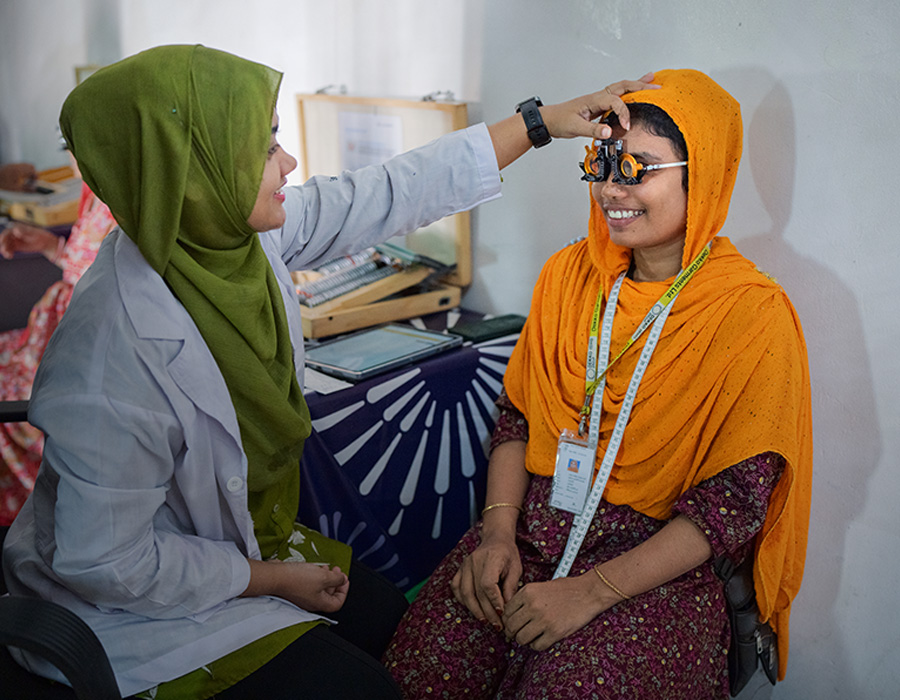
Factory workers in Bangladesh received vision screenings and free eyeglasses at their place of work.
945,000
945,000eyeglasses distributed since May 2025
65,900
65,900sight-restoring cataract surgeries performed since May 2025
Better Data, Better Policies
In 2015, we launched our Data for Health initiative to help governments in low- and middle-income countries strengthen the collection and use of birth, death, and other health data to better inform life-saving policies and investments. In total, we have supported governments in 81 countries, helping to collect or strengthen over 25.4 million death records and nearly 24 million birth records and train more than 160,000 health officials to better collect and analyze data.
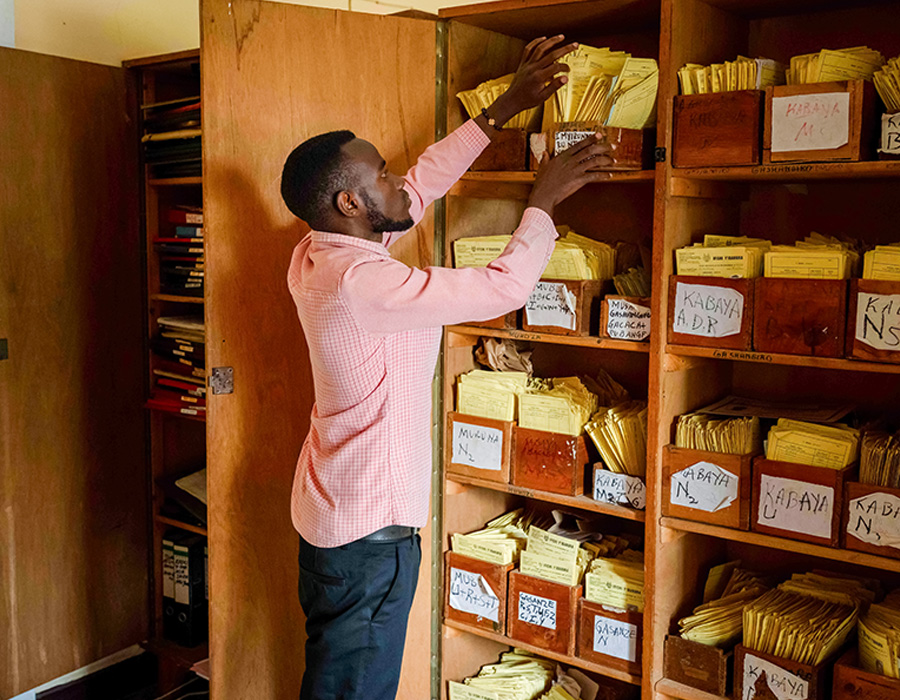
In Rwanda, our initiative has helped to digitize and modernize paper-based health records. Credit: Juan Arredondo/Vital Strategies
Healthier Diets, Healthier People
Unhealthy diets contribute to roughly seven million deaths every year. Since 2012, we have supported partners’ efforts to implement, evaluate, and spread policies that reduce the consumption of ultra-processed foods and sugary drinks — such as improving meals and restricting the marketing of unhealthy foods in schools, requiring warning labels on food and beverage packages, and taxing unhealthy foods and beverages.
In total, our partners have supported the passage of 62 such policies in 12 countries, including ten passed in 2025.
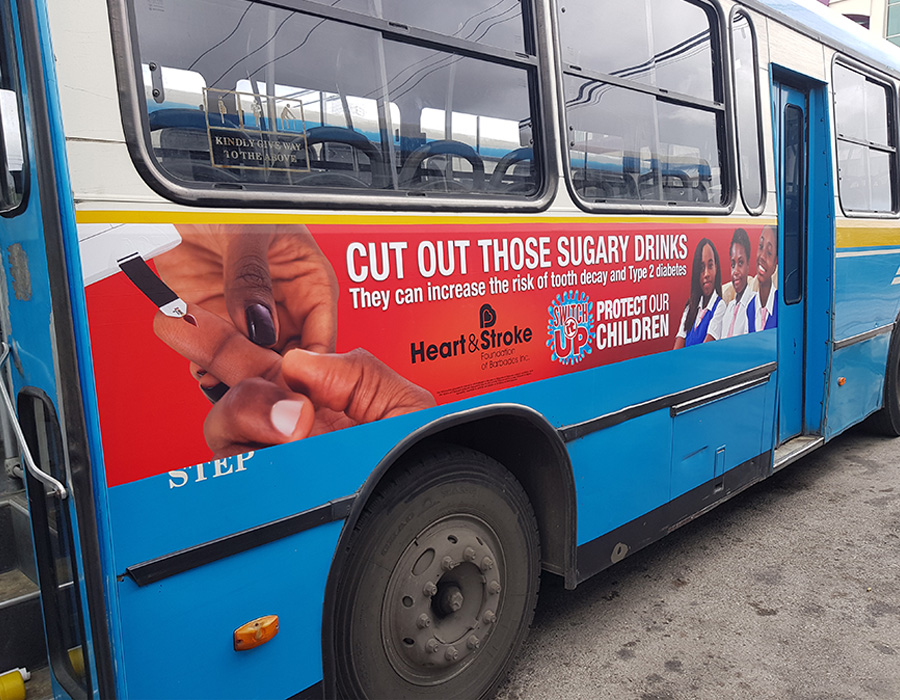
Partners in Barbados ran media campaigns in support of a proposed school nutrition policy, which passed in 2022. Credit: Illusion Graphics, Barbados
Preventing Drowning Globally
Drowning remains a significant, yet preventable, cause of death, causing 300,000 deaths each year. Since 2012, Bloomberg Philanthropies has worked in countries with the highest rates of drowning deaths, joining forces with local organizations and governments to collect accurate data, implement proven interventions, and scale national solutions that reduce drowning. In 2024, we announced a major reinvestment in this global work and also launched new efforts in 11 U.S. states with some of the highest rates of drowning deaths.

Preventing Lead Poisoning
Lead poisoning is a major public health threat, causing millions of premature deaths each year. Launched in 2025, our Lead Poisoning Prevention Initiative supports partners to advocate for strong government interventions that limit exposure to lead through regulations on common sources, including paint, spices, and lead-acid batteries; identify and clean up major sources of contamination, such as unsafe battery recycling locations; and expand testing for lead levels to strengthen data and help governments better understand the problem and tailor policies to address it.
Prioritizing Maternal Health
In 2025, Bloomberg Philanthropies expanded efforts to reduce maternal and newborn mortality across Sub-Saharan Africa, building on a successful model we first supported in Tanzania in 2006. We are working to strengthen high-quality obstetric care across high-need regions in Malawi, Nigeria, and Tanzania, and working with additional partners in the Democratic Republic of the Congo to provide 7,000 life-changing fistula repair surgeries — with more than 3,600 performed since May 2025.
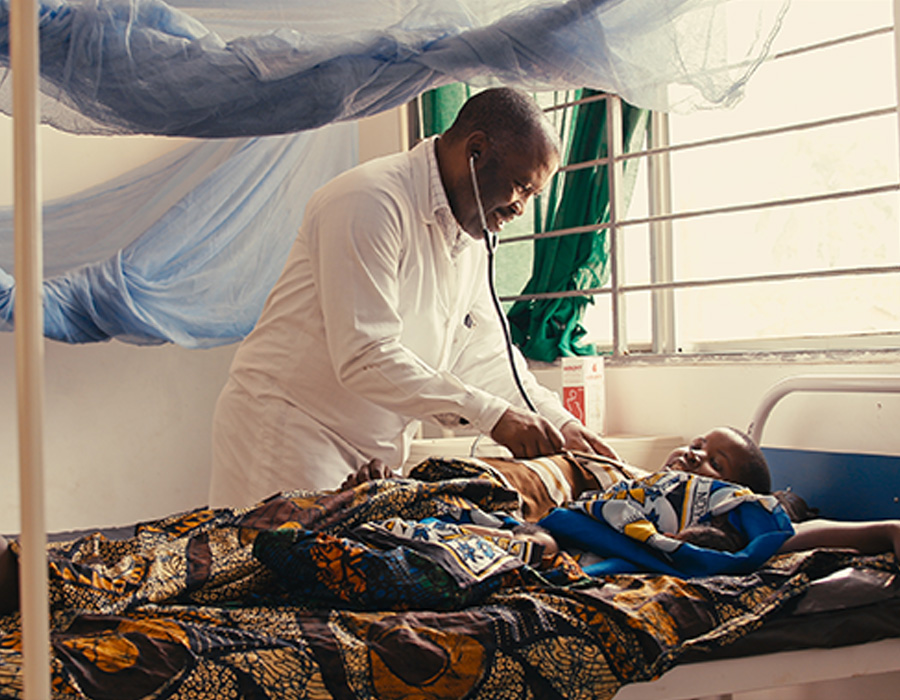
Our support to upgrade healthcare facilities in the Kigoma region of Tanzania helped to greatly improve maternal and infant health, leading Tanzania’s government to take over the program in 2019. Credit: Johns Hopkins University
SPOTLIGHT
Democratic Republic of the Congo
Deborah was just 17 when she developed a fistula following a difficult labor and the loss of her baby. Unable to access treatment, she was forced out of school and her home and lived with the condition for four years — until she heard a radio announcement about free fistula surgeries. After a successful procedure at one of 38 partner-supported hospital sites, Deborah is now healthy and able to pursue her education once again.
Combating the U.S. Overdose Epidemic
In 2018, Bloomberg Philanthropies launched efforts to help states combat the overdose epidemic, supporting partners to implement proven, data-driven policies, like increasing access to medication treatments and to public health services that reduce harm.
According to preliminary data, the seven states where we focus our work — Kentucky, Michigan, New Jersey, New Mexico, North Carolina, Pennsylvania, and Wisconsin — saw a 27 percent average decline in overdose deaths between 2023–2024.
27% average decline in overdose deaths between 2023–2024 in states where we work
Empowering Cities to Improve Health
In 2017, Bloomberg Philanthropies launched the Partnership for Healthy Cities to help more cities enact proven policies that reduce noncommunicable diseases and injuries. Now with more than 70 members, the network helps cities develop, adopt, and share policies that address six key health challenges: tobacco use, unhealthy diets, road safety, overdose prevention, data monitoring, and heat. To date, cities have implemented 40 policies in these areas, including nine passed in 2025.

Through support from the Partnership for Healthy Cities, Guadalajara, Mexico, set 20 km/hr speed limits around all school zones to improve safety. Credit: WRI Mexico