ANNUAL REPORT 2025-2026
Our Programs
Scroll to see how the work we’re supporting is improving lives around the world.
Cities
Empowering Cities and Improving Lives
Bloomberg Philanthropies’ work with cities includes our Government Innovation program and Bloomberg Associates, our philanthropic consultancy. Through this work, we are helping local governments strengthen their ambitions and abilities.
We have worked with Bogotá through several programs, helping the city test bold new ideas, improve data use, and transform its downtown. Photo Credit: Getty Images
Bloomberg Philanthropies’ work with cities includes our Government Innovation program and Bloomberg Associates, our philanthropic consultancy. Through this work, we are helping local governments strengthen their ambitions and abilities.
GOVERNMENT INNOVATION
Replicating Proven Solutions Across Cities
Cities face shared challenges — yet often lack the support or incentives to test ambitious new approaches. Bloomberg Philanthropies helps city leaders aim higher, experiment with bold solutions, and then share what proves effective, so others can build on that progress. In 2013, we launched the Mayors Challenge, a competition that invites cities to develop bold solutions and helps spread them around the world. And in 2024, we launched the Bloomberg Cities Idea Exchange, a global platform to further accelerate the spread of promising ideas.
2025 Mayors Challenge Winners
In February 2026, we announced the 24 winning cities of the 2025 Global Mayors Challenge, our largest-ever round of the competition. The winners will receive technical assistance and $1 million each in funding to implement and evaluate their ideas.
Strengthening City Leadership
Ten years ago, there were few opportunities for mayors to access leadership development programs. Today, through our city leadership programs, mayors around the world have access to hands-on training, trusted peer networks, and practical tools to help them govern more effectively. Our work began in 2017 with the Bloomberg Harvard City Leadership Initiative. We have since expanded our successful model to serve mayors in Israel, Africa, and most recently, Europe, where we launched our latest mayoral leadership program in partnership with the London School of Economics and the Hertie School in Berlin in 2025.
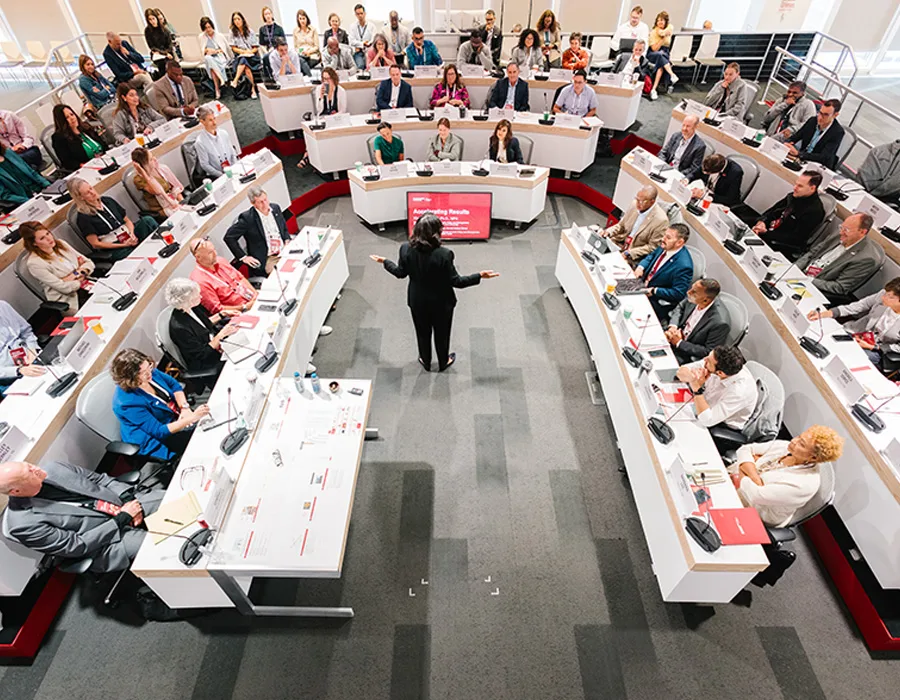
The ninth class of mayors in the Bloomberg Harvard City Leadership Initiative heard from experts in New York City in July 2025.
4
4programs launched to train mayors across the U.S., Israel, Africa, and Europe
557
557mayors provided with executive leadership training
3,653
3,653senior staff trained
Using Data to Improve Residents’ Lives
Bloomberg Philanthropies helps cities harness the next generation of data and artificial intelligence tools to solve problems, improve efficiency, and deliver tangible results for residents. As part of this work, we launched the City Data Alliance in 2022 with Johns Hopkins University. To date, we have helped 80 cities from 12 countries build the skills needed to incorporate data-driven insights into decision-making, while providing intensive support to test and scale responsible uses of AI that improve services and operational efficiency.
Bringing Creativity to City Halls
Bloomberg Philanthropies continues to support small, multidisciplinary innovation teams (i-teams) embedded in city halls. Since 2011, we have supported 115 i-teams in 1,067 cities around the world who have provided expertise in data analysis, design, and project management to help cities better understand and address their biggest priorities.
In 2025, we supported 53 i-teams to help test new ideas and deliver stronger results for residents – including new i-teams in 18 cities across Europe. We also partnered with the national government of the Dominican Republic to address two key priorities: growing the economy and reducing bureaucracy.
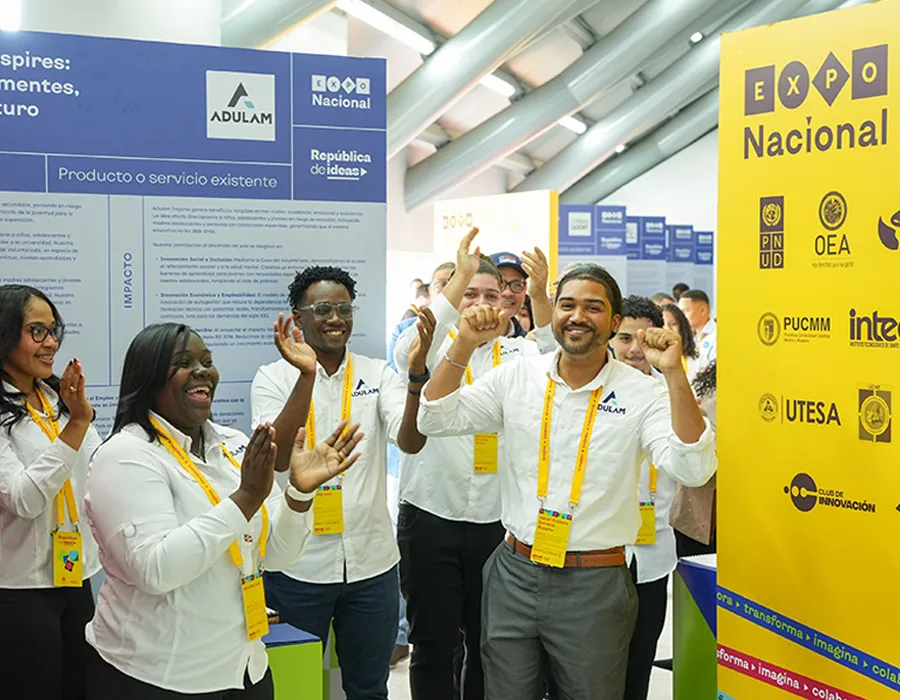
Through a special engagement inspired by the work of our i-teams, we partnered with the government of the Dominican Republic to launch República de Ideas, a national competition to draw innovative proposals from citizens across the country.
Building Bonds Between City Residents and City Halls
In 2024, we launched the Youth Climate Action Fund to bring city halls and young people together to address pressing, local climate change challenges. The initiative provides funding and technical assistance to help cities support small-scale, youth-led projects that fight climate change, reshaping how young residents view local institutions — participants report a 21 percent increase in their trust of city government.
In 2025, we announced a new investment that will enable three times more cities to engage youth in local climate action.
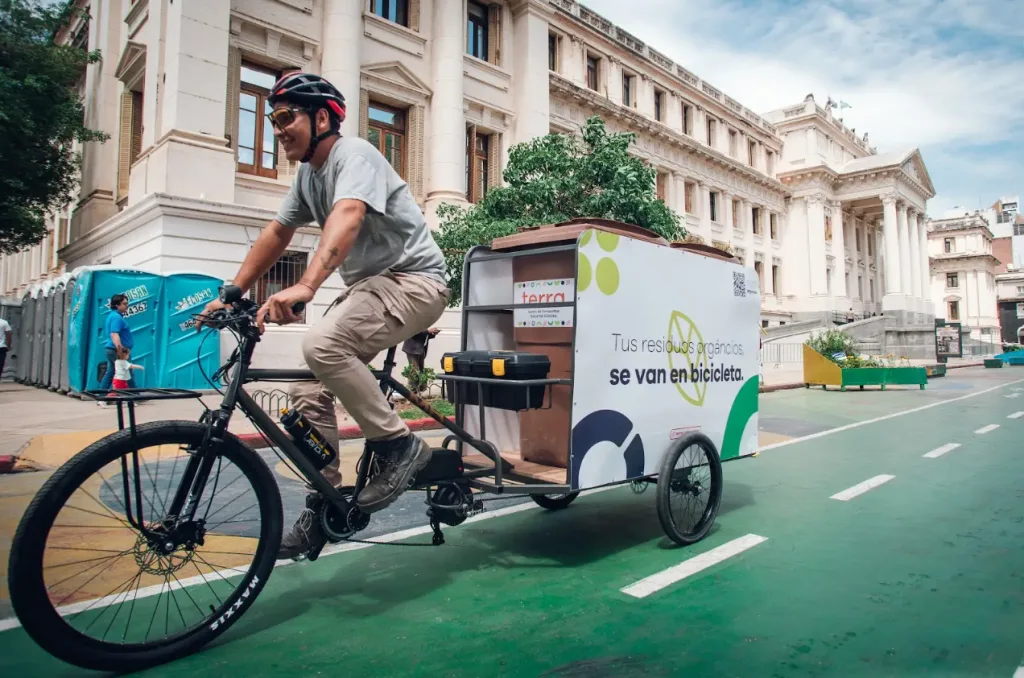
In Córdoba, Argentina, youth created specialized electric bicycles to collect food scraps from restaurants and increase composting.
98
98participating cities
2,968
2,968youth-led climate projects supported
100,000+
100,000+youth engaged
Partnering Across Baltimore
Bloomberg Philanthropies has worked in Baltimore for decades, taking a holistic approach to strengthening the community and uplifting its businesses, youth, and local nonprofit organizations. In addition to many of our initiatives that are active in Baltimore, we supported over 100 nonprofit organizations in 2025, and helped to bring Goldman Sachs 10,000 Small Businesses to Baltimore, which has provided 785 local business owners with education, coaching, and technical assistance.
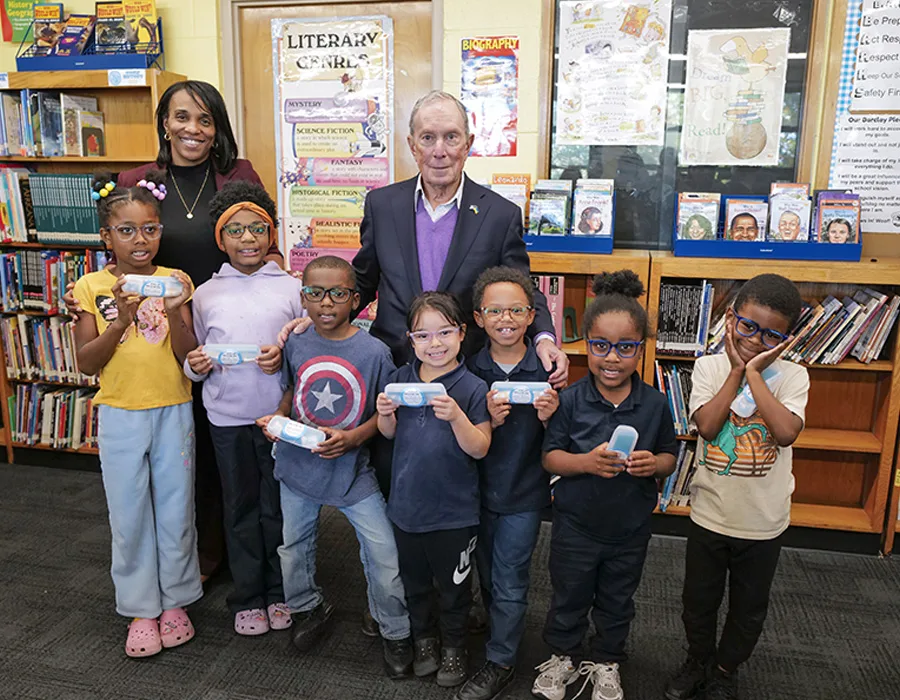
In October 2025, Mike met students who received new glasses through our Vision Initiative, which is expanding access to free vision screenings and eyeglasses for students across Baltimore.
2024-2025 Impact
5.1M
5.1Mfree meals provided
4,452
4,452individuals placed in jobs
2,947
2,947homes upgraded for seniors
2,400
2,400trees planted
100,000+
100,000+pounds of trash removed
BLOOMBERG ASSOCIATES
Founded in 2014, Bloomberg Associates is our philanthropic consultancy that advises cities around the world, using proven best practices and deep experience in municipal government to make them stronger, safer, and more efficient.
Since its inception, Bloomberg Associates has helped garner $2.8 billion in city and private investments across 25 cities, collaborating on more than 1,000 projects that improve resident outcomes and bring leaders’ visions to life.
$2.8B
$2.8Bin city and private investments secured across 25 cities
1,000+
1,000+projects launched that improve resident outcomes
Arts
Inspiring Communities Through Arts and Culture
The arts have the power to inspire, uplift, and improve lives. Investing in them is essential to creating strong, flourishing communities. Bloomberg Philanthropies’ Arts program invests in artists, cultural institutions, and audience experiences to strengthen the creative landscape and quality of life in cities around the world.
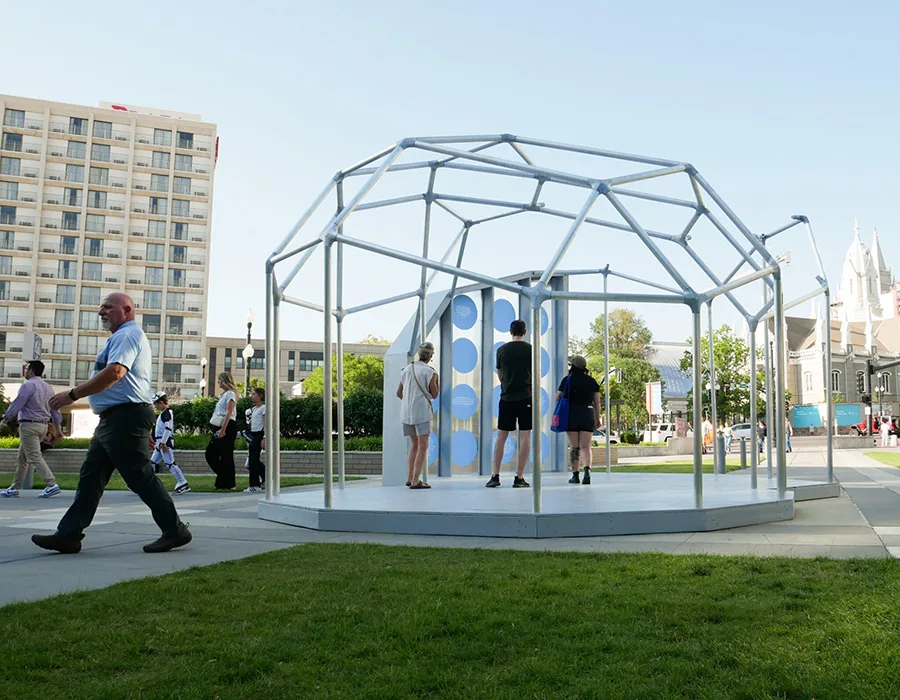
As a winner of our Public Art Challenge, Salt Lake City is creating installations that call attention to the rapid drying of the Great Salt Lake, including one by Olafur Eliasson. Photo Credit: Studio Olafur Eliasson
The arts have the power to inspire, uplift, and improve lives. Investing in them is essential to creating strong, flourishing communities. Bloomberg Philanthropies’ Arts program invests in artists, cultural institutions, and audience experiences to strengthen the creative landscape and quality of life in cities around the world.
Connecting Audiences to Cultural Organizations
Beginning with audio guides in the 1990s, we have helped cultural organizations use technology to better engage audiences. In 2019, we advanced this work with the launch of Bloomberg Connects, a free mobile app that provides digital guides and in-depth content from museums, historical sites, botanical gardens, and other cultural monuments around the world.
Today, Bloomberg Connects has grown to offer over 1,400 guides in 57 languages to cultural organizations in 47 countries — reaching millions of people with world-class content.
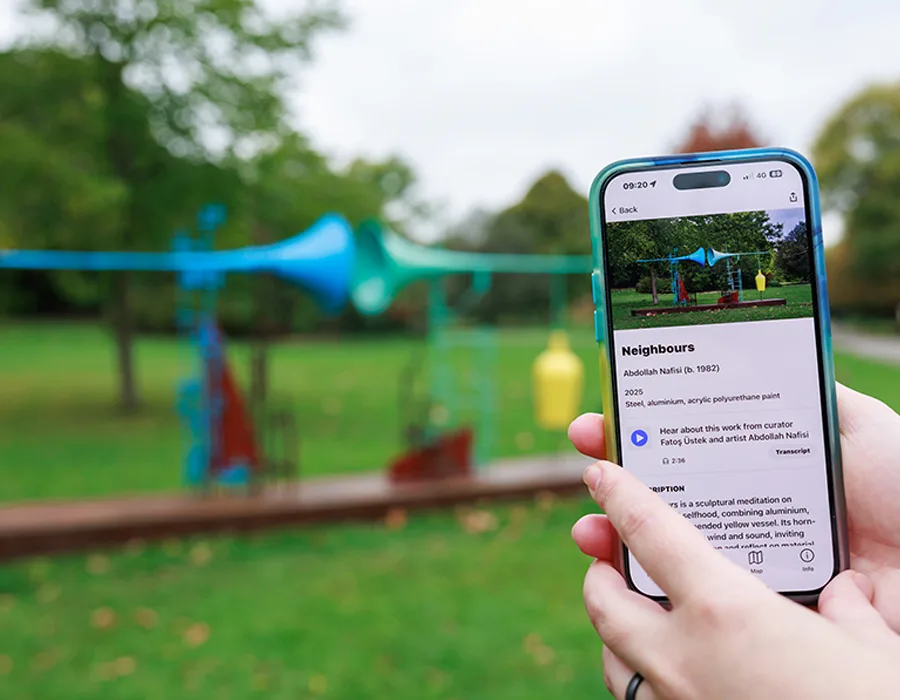
Bloomberg Connects featured guides to Frieze Sculpture 2025, a free outdoor art display at The Regent’s Park in London. Credit: Frieze Sculpture 2025, London/Photo by Alistair Veryard
1400+
1400+cultural institutions with free guides on Bloomberg Connects
7.8M
7.8Mlifetime users
57
57languages available
Helping Arts Organizations Harness the Power of Technology
Bloomberg Philanthropies’ Digital Accelerator Program brings together our support for the arts and our belief in the power of technology to strengthen arts and cultural organizations. Developed in response to the pandemic to help arts and cultural institutions improve their digital infrastructure, the program supports organizations in using technology to grow revenue, deliver dynamic programming, and strengthen operations to reach new audiences and engage new artists and partners.
To date, we’ve expanded our support to nearly 350 organizations.
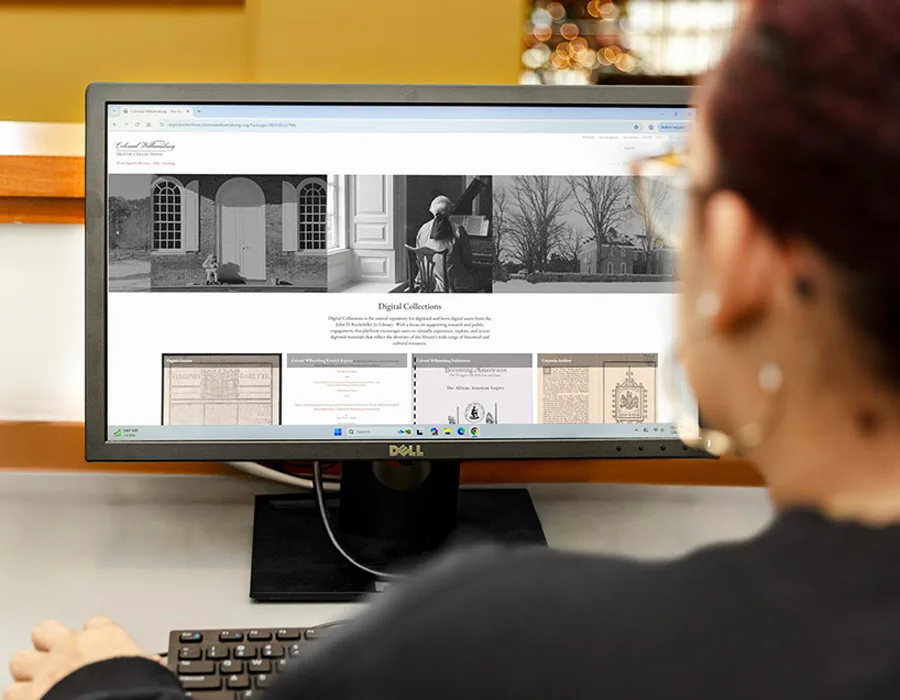
Through our Digital Accelerator Program, Colonial Williamsburg created a centralized digital archive of historic papers and research reports, expanding public access and driving a 90% increase in visits to the website. Credit: Courtesy of Colonial Williamsburg Foundation
Expanding Opportunities in the Arts
The Bloomberg Arts Internship provides public high school and college students with summer and year-round paid internships at cultural organizations — helping them build valuable skills for college and careers while gaining exposure to the arts industry. To date, the program has placed over 2,300 interns at over 430 cultural nonprofits. Among high school students who participate, 81 percent report enrolling in college or technical school — nearly 20 percentage points above the national average — and over half go on to work in the arts industry.
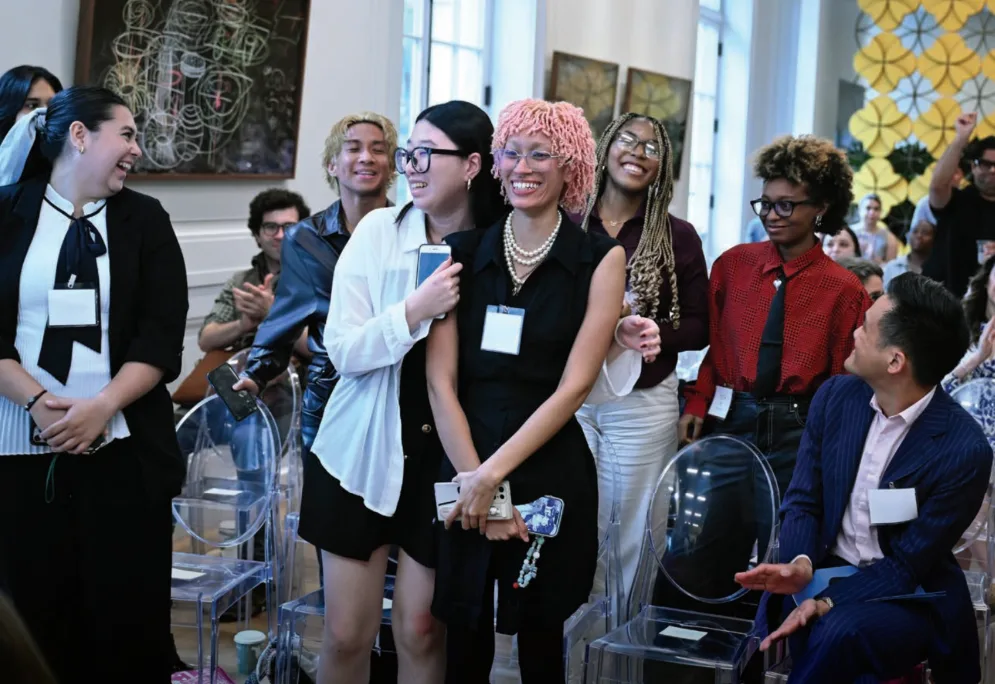
In August 2025, interns came together to celebrate and share their experiences working at cultural organizations in New York City.
Sparking Collaboration through Public Art
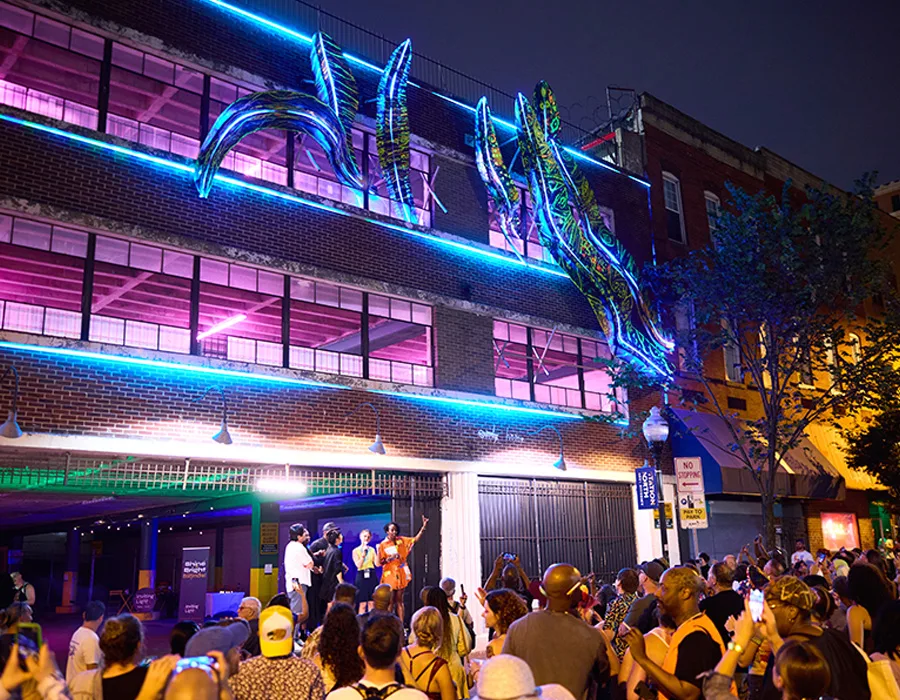
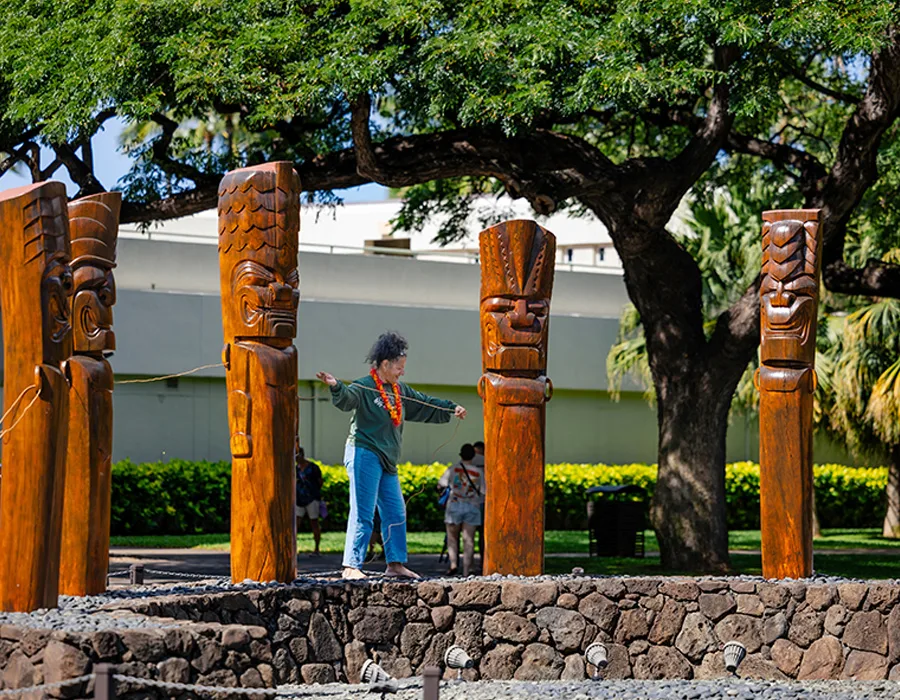
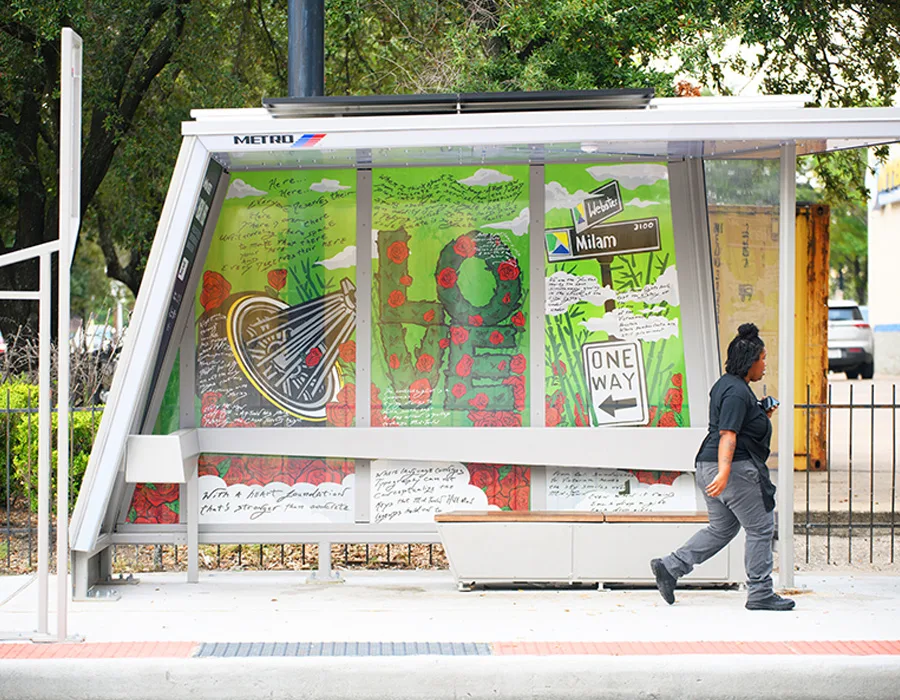
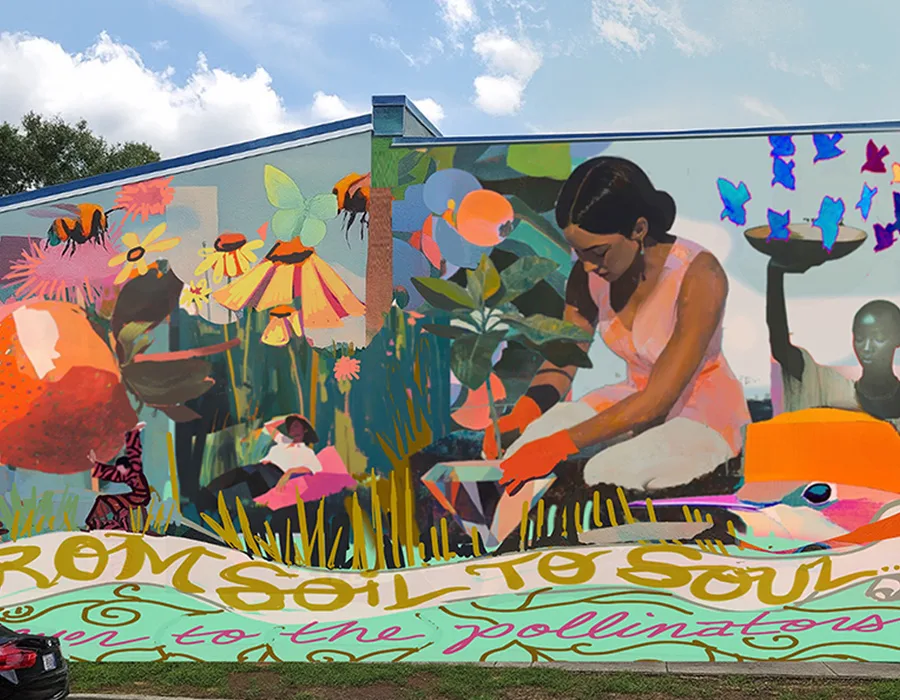
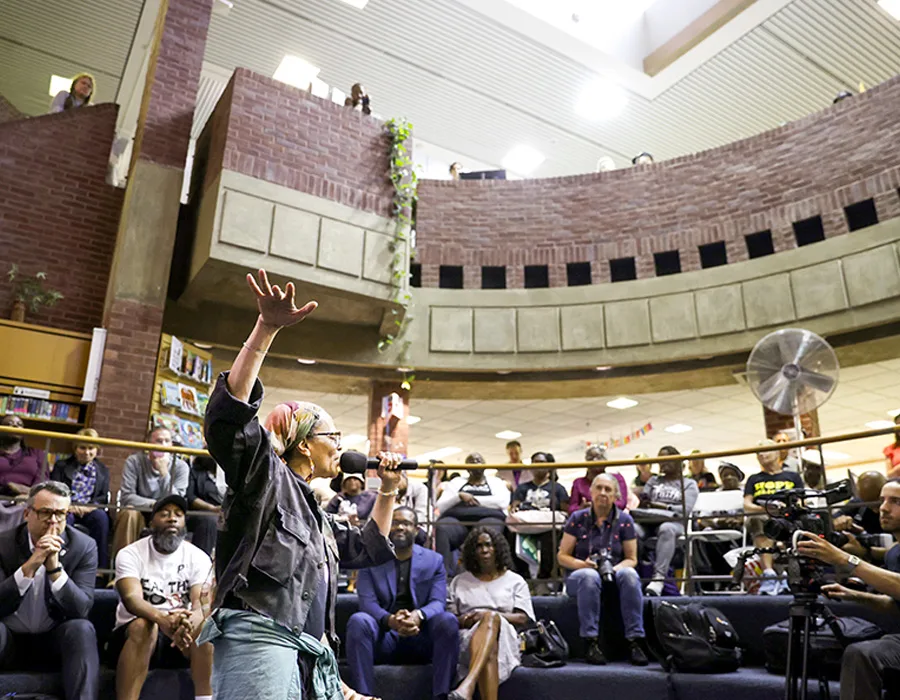
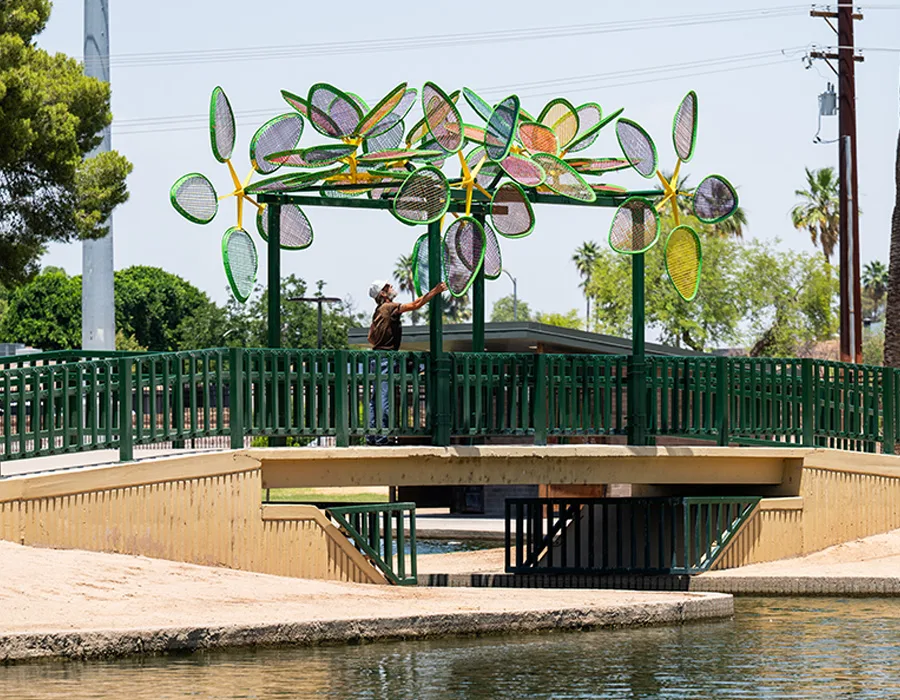
Art has the ability to unite people and call attention to critical issues. Our Public Art Challenge leverages that power, bringing together mayors, artists, and community members to develop public art projects that focus on local challenges and work to address them. There have been 17 winning cities across three rounds of competition. In 2025, the eight winning cities from the latest round all launched new projects, engaging 336 artists and 24 million residents to date.
At the Crossroads of Art and Safety
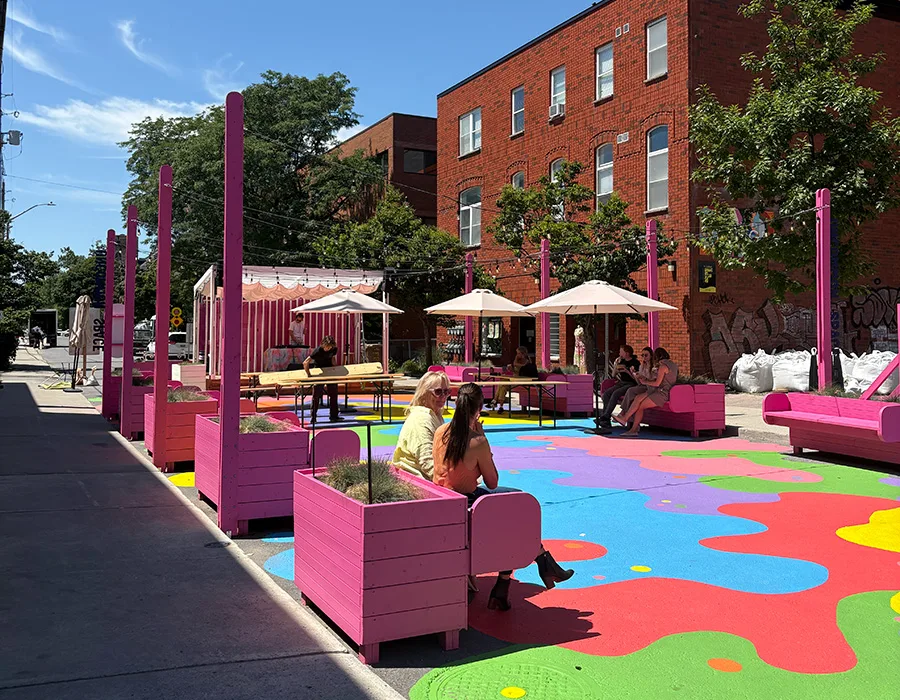
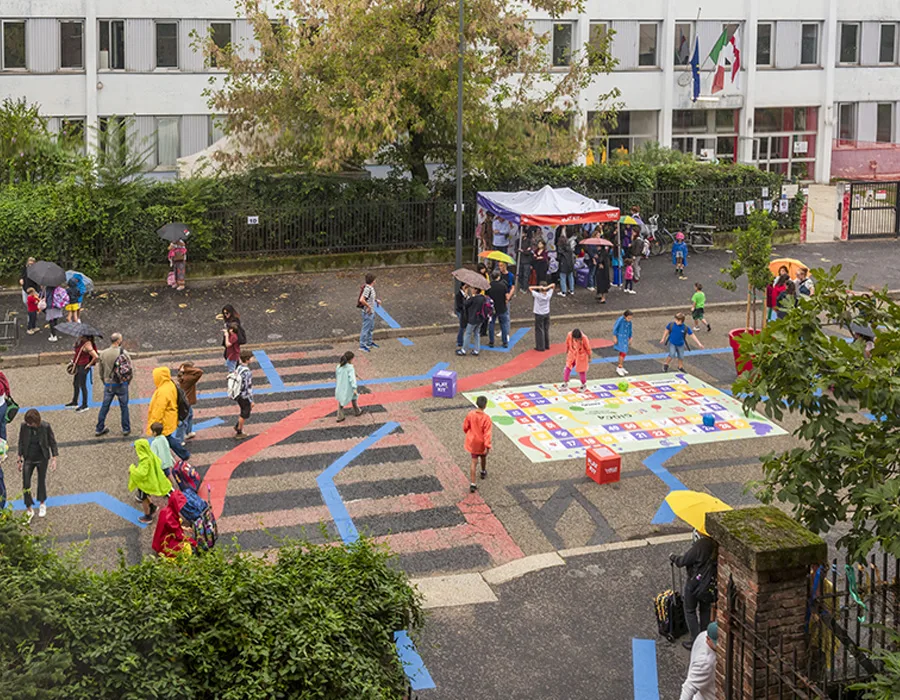
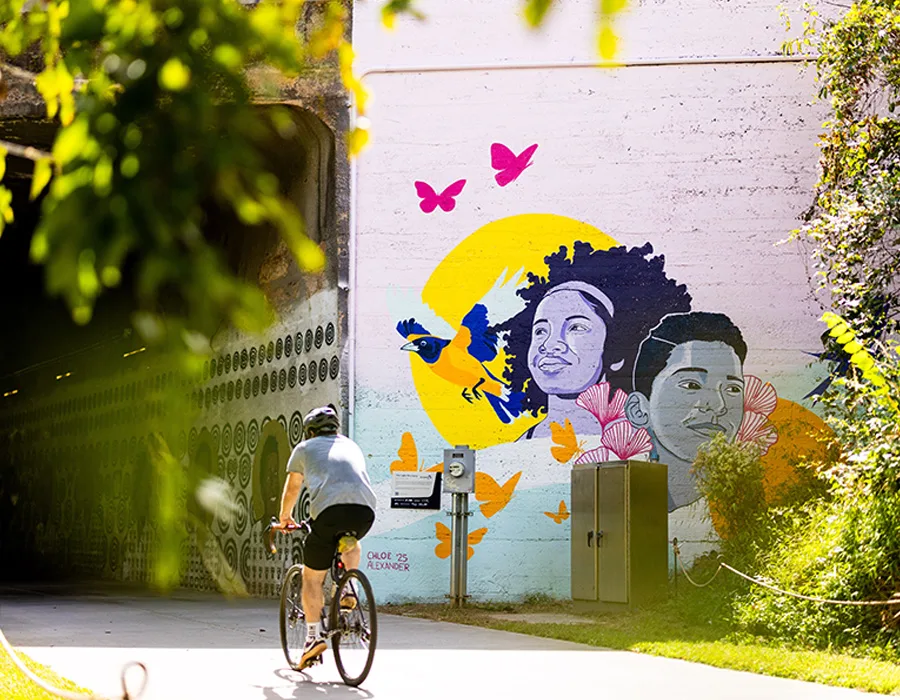
Our Asphalt Art Initiative has supported 100 projects in cities across North America and Europe, helping them use arts-driven roadway redesigns to improve street safety, revitalize public spaces, and engage communities. Evaluations have shown strong results, including declines in crashes and speeding, and increases in vehicles yielding to pedestrians. Inspired by our initiative, an additional 200 projects have been implemented — and in 2025, we increased the size of our grants for 10 new projects across North America.
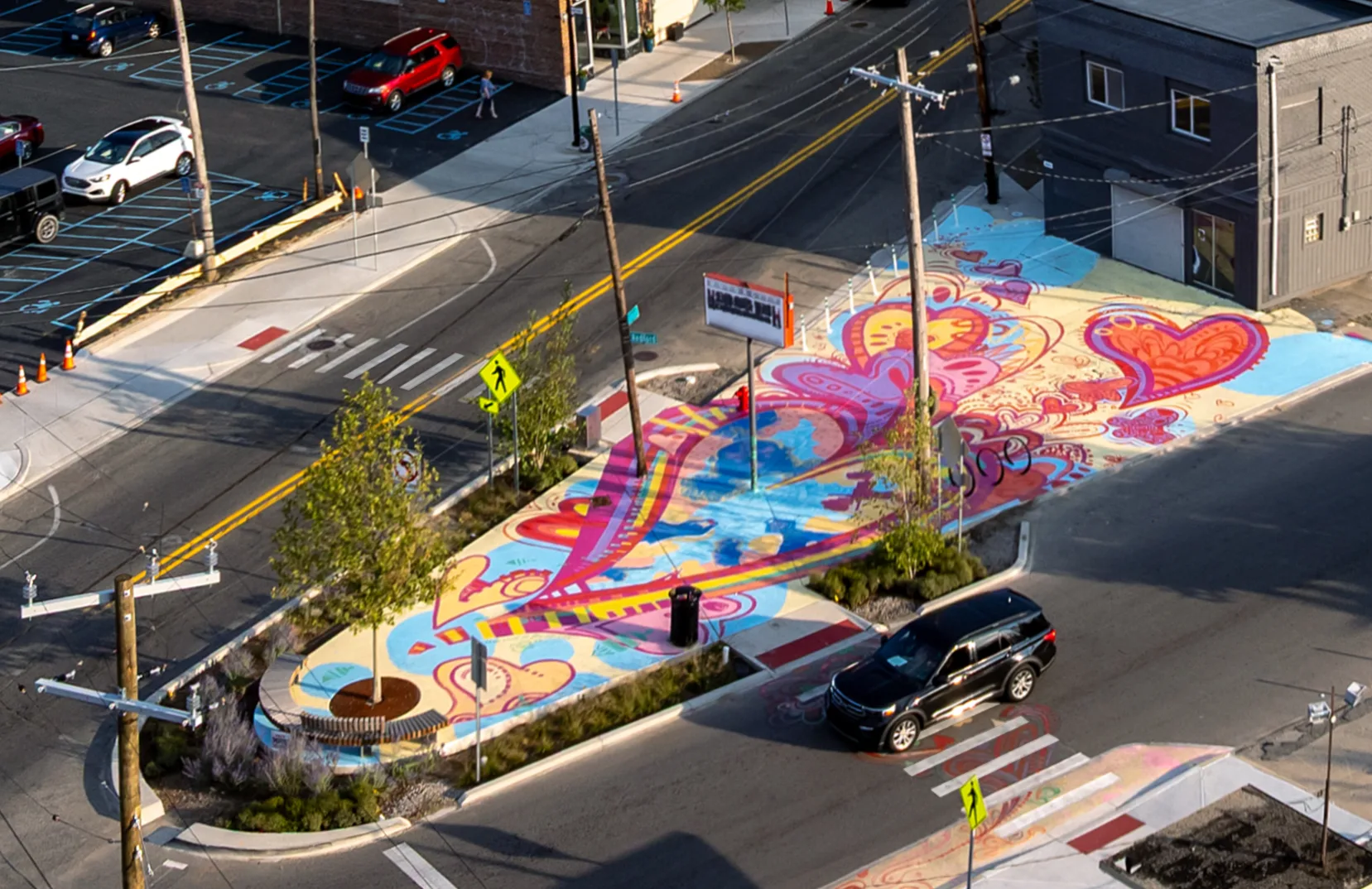
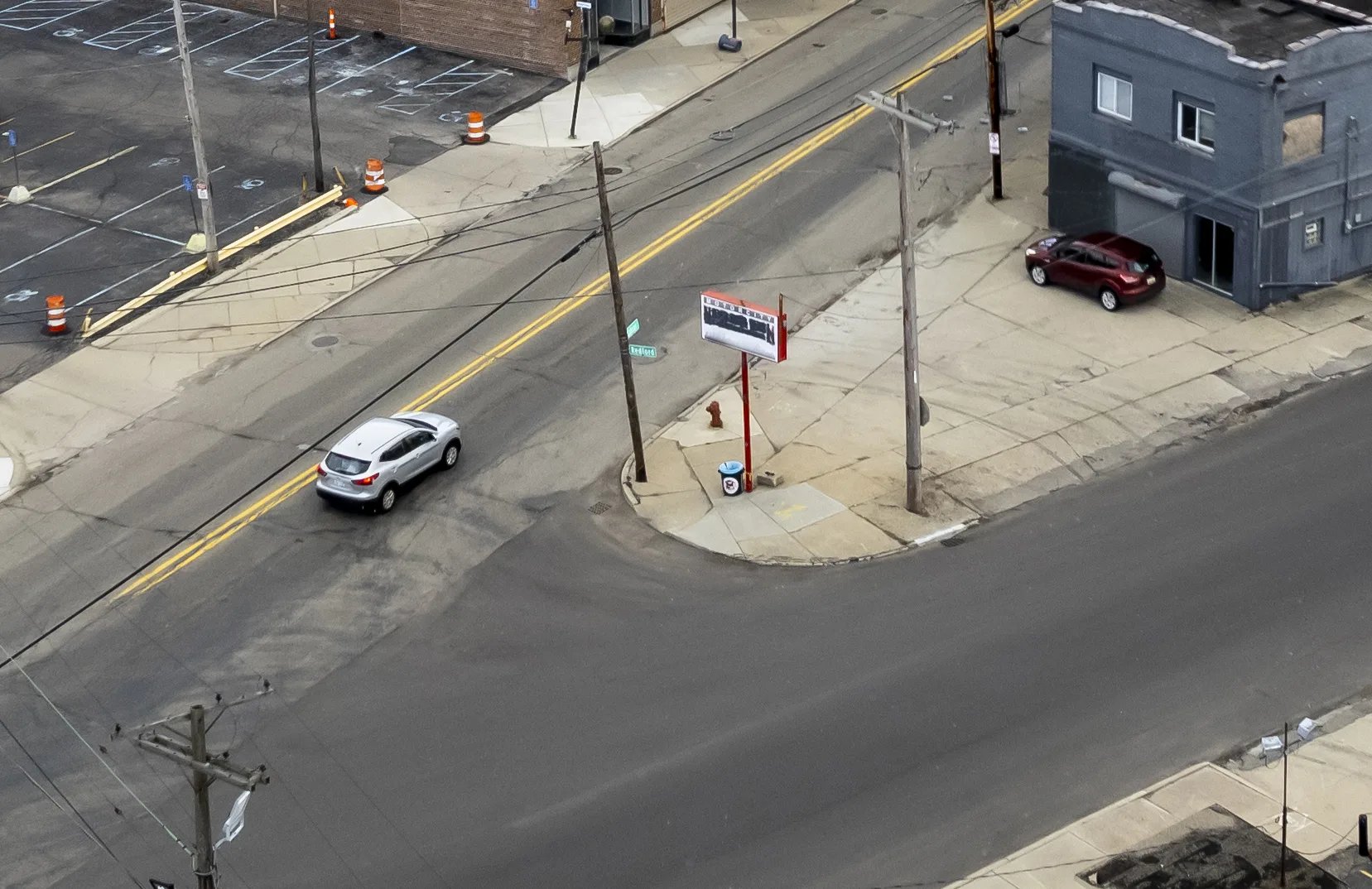
With our support, Detroit installed a mural at the busy Lahser Triangle, creating 1,700 square feet of new public space and adding two new crosswalks.
Partnering with Cultural Institutions
Bloomberg Philanthropies is one of the world’s largest philanthropic funders of the arts. Each year, we support more than 1,800 cultural institutions globally, in addition to partnerships with dozens of artists and major art gatherings. We work with arts and cultural institutions to strengthen their operations, present new programming, and reach wider audiences — helping them build long-term sustainability and connecting more people to the arts in cities around the world.
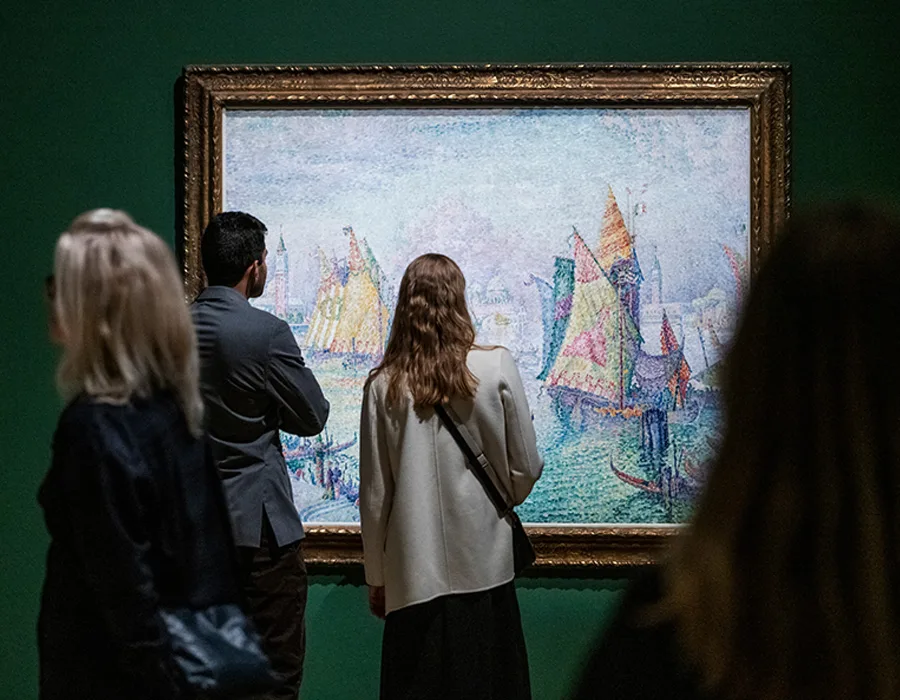
Brooklyn Museum, New York City, New York. Monet and Venice. Credit: Matthew Carasella Photography

Tai Kwun, Hong Kong. Memoir in Neon by YARD Architecture Studio. Credit: Courtesy of Tai kwun and YARD Architecture Studio
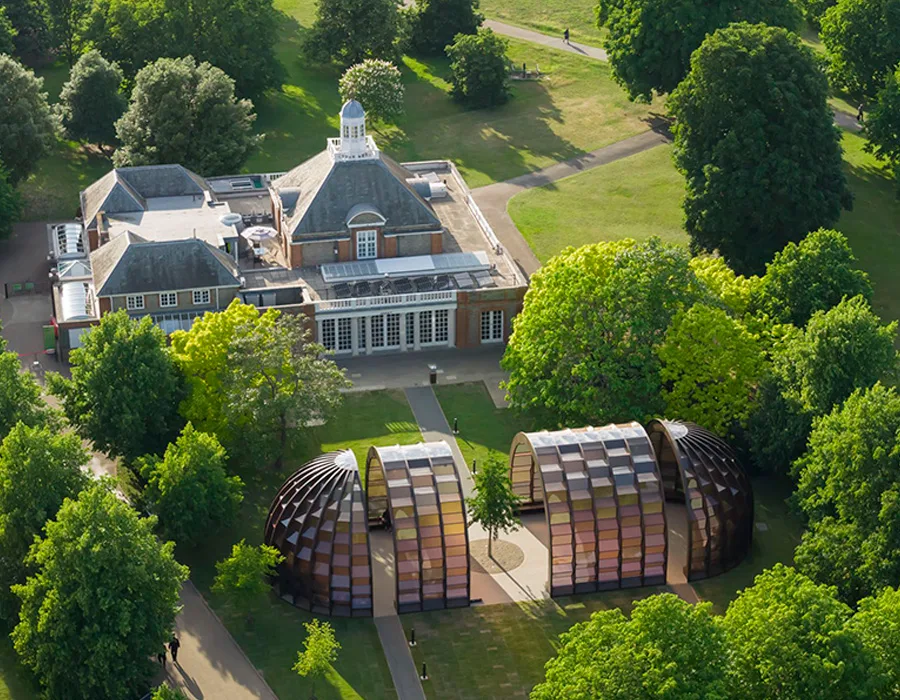
Serpentine, London, United Kingdom. Credit: Iwan Baan (Courtesy of Serpentine)
25 Years of Leadership at the World Trade Center Site
As mayor of New York City, Mike led its post-9/11 recovery. Today, he serves as board chair for two institutions that proved pivotal in helping to revitalize Lower Manhattan. The National September 11 Memorial & Museum honors the memories of those killed and invites visitors to learn about the history and aftermath of the attacks. The Perelman Performing Arts Center (PAC NYC) is a spectacular work of public architecture and the capstone of the Bloomberg administration’s vision for rebuilding the World Trade Center and surrounding neighborhood.

Standing where the Twin Towers once stood in Lower Manhattan, the 9/11 Memorial & Museum make up one of the most visited sites in New York City.
EDUCATION
Expanding Opportunities in the Classroom
Driven by the belief that every student deserves the chance to get a high-quality education, no matter where they live or how much their family makes, Bloomberg Philanthropies’ Education program works to expand access to educational opportunities, from kindergarten through high school, to college and career training, and beyond.
Together with partners, we have created over 158,900 new high-quality charter school seats since 2022, including in Texas.
Driven by the belief that every student deserves the chance to get a high-quality education, no matter where they live or how much their family makes, Bloomberg Philanthropies’ Education program works to expand access to educational opportunities, from kindergarten through high school, to college and career training, and beyond.
Advancing K-12 Education
Bloomberg Philanthropies works with partners to promote a stronger model of public education — one based on evidence, centered on students, and governed by accountability and high standards. In 2021, we deepened our commitment to this work by launching an ambitious effort to expand access to high-quality public charter schools across the country, with the goal of adding 150,000 new seats by the end of 2026. In 2025, we surpassed this goal. To date, we have helped create over 158,900 charter school seats, with more on the way.
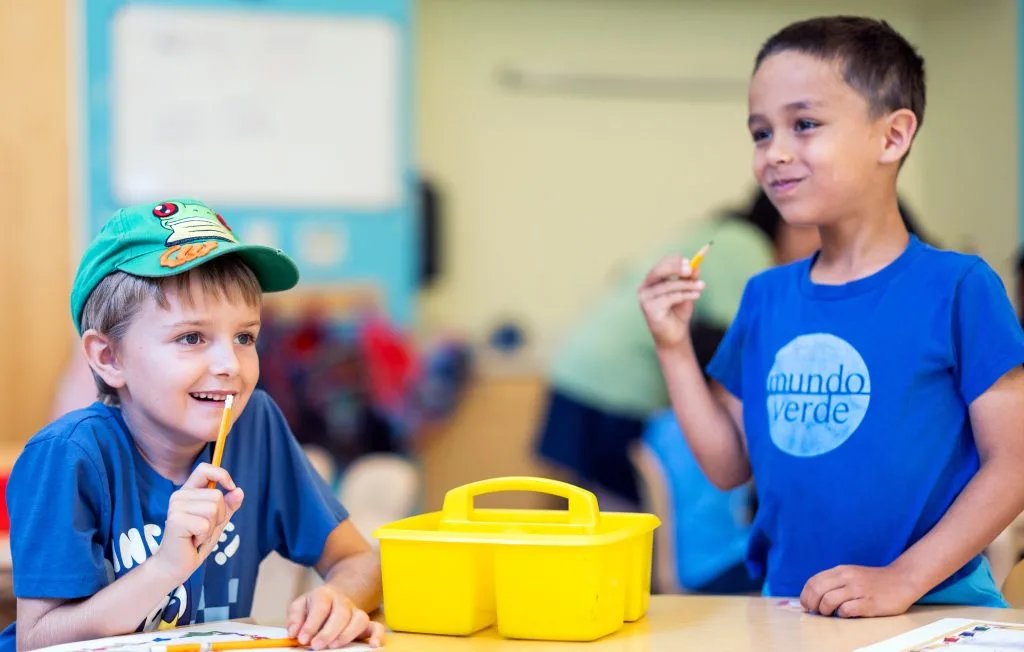
Students at Mundo Verde, a bilingual charter school in Washington, D.C., practicing their math and reading skills.
Expanding Summer Learning Opportunities
Originally designed to address pandemic-related learning loss, our Summer Boost program helps ensure that rising first- to ninth-graders continue to make academic progress in math and English while providing engaging enrichment opportunities during the summer. In 2025, the program served over 39,000 students in 450 charter schools in seven U.S. cities. Independent evaluations continue to show the initiative’s success: The percentage of students meeting proficiency in math nearly doubled at the end of the program, and more than doubled in English.
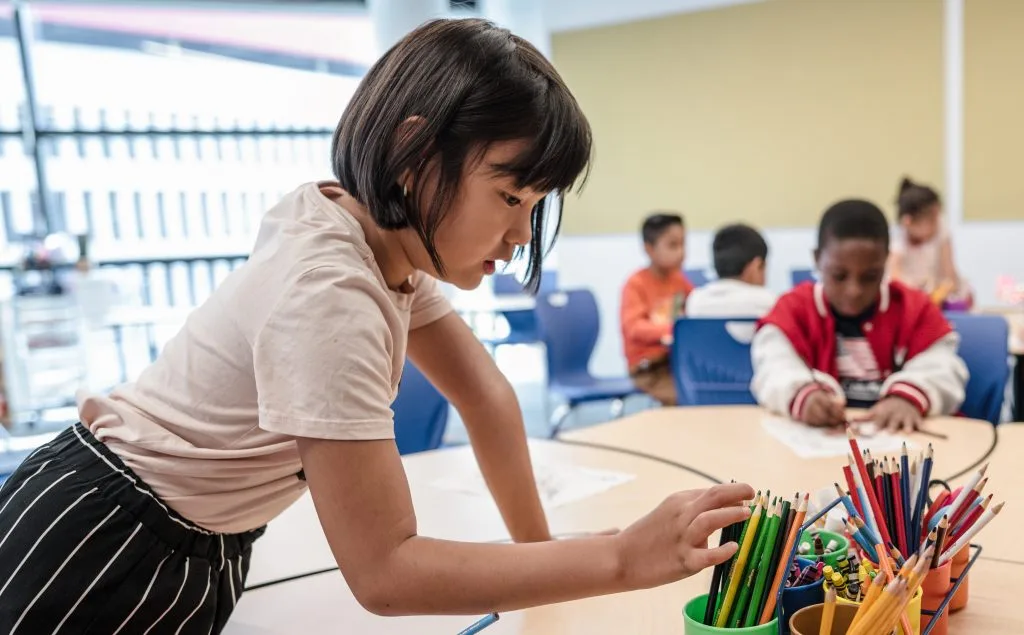
Students at Central Queens Academy in New York City improved their math and English proficiency through our Summer Boost program.
158,900
158,900new U.S. charter school seats invested in since 2022
39,000
39,000summer education students supported in 2025
2025 Summer Boost Assessment Results
The percentage of students meeting standards nearly doubled in math and more than doubled in English
Math
18.9 percentage point increase in math proficiency
English
17.2 percentage point increase in English proficiency
Preparing Students for 21st-Century Success
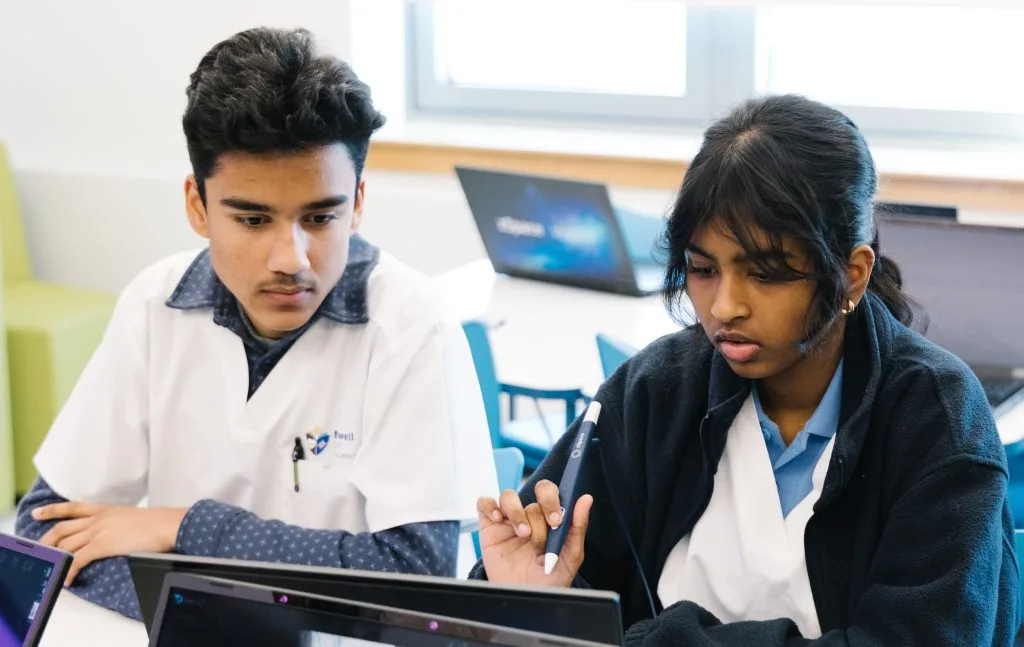
Today, millions of well-paying jobs are available that require specific training, but not necessarily a four-year college degree. In 2024, we announced a major first-of-its-kind initiative to create specialized high schools across the U.S. that prepare students for high-demand jobs in the healthcare industry. Offering a healthcare-focused curriculum and work-based learning alongside traditional academic classes, ten schools have opened, with two more set to open in fall 2026. At full capacity, all 12 schools will serve over 7,300 students annually.
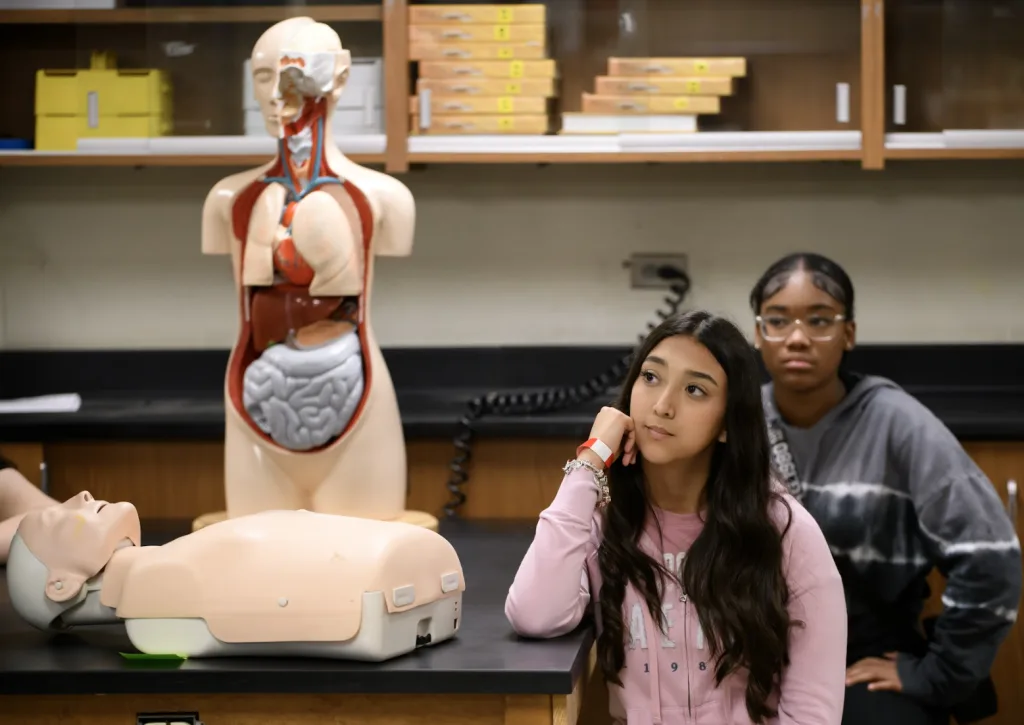
Students at HEAL High School, Houston, Texas — a specialized healthcare high school we helped to create — participated in a clinical training as part of their curriculum in June 2025.
Opening Doors to the Nation’s Top Colleges
Bloomberg Philanthropies works to ensure that high-achieving students from lower-income backgrounds are able to enroll in the top U.S. colleges and universities they are qualified to attend. One way we do this is through the American Talent Initiative. Launched in 2015, the coalition now has 137 members who have collectively enrolled record-breaking numbers of students from lower-income backgrounds.
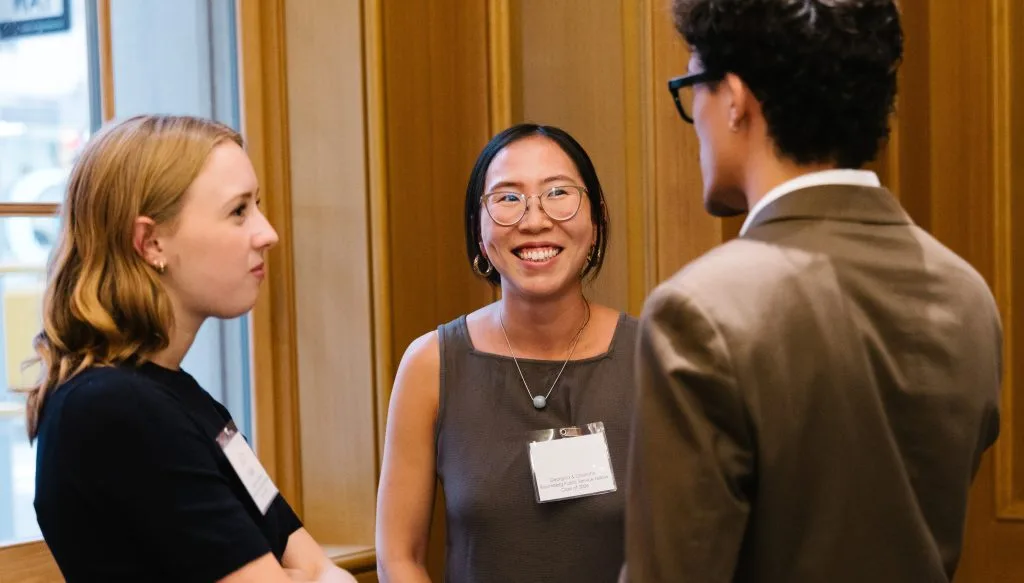
In August 2025, we brought together the latest class of fellows in The Georgina and Charlotte Bloomberg Public Service Fellowship at NYU for a reception in New York City.
Student-Centered University Partnerships
As part of our work to expand access to college, we partner with select universities to offer strategic support for students.
Princeton University
The Emma Bloomberg Center for Access & Opportunity provides mentorship, support, and programming for first-generation and lower-income students, and served more than 1,000 students in 2025.
New York University
The Georgina and Charlotte Bloomberg Public Service Fellows Program has provided 45 students interested in public service with full-tuition scholarships for master’s degrees.
Kessler Scholars Collaborative
First launched by the Fred and Judy Wilpon Family Foundation, this initiative provides support services for first-generation, lower-income students and has expanded from six to 16 schools with our support.
Johns Hopkins University
We invest in wraparound services for students who are the first in their families to attend college or from lower-income families. In the 2024-2025 school year, our support helped lead to a 98 percent retention rate for students from these backgrounds. In addition to our historic $1.8 billion commitment to the university in 2018, which made undergraduate admissions need-blind, we announced an additional $1 billion in 2024 for financial aid for graduate students, including medical students.
Public Health
Ensuring Safer, Longer, Healthier Lives
Bloomberg Philanthropies’ Public Health program focuses on the world’s leading causes of death from noncommunicable diseases and injuries, partnering with governments, communities, and other organizations to help effective, evidence-based policies take root and spread.
Through our Data for Health initiative, we supported government efforts to strengthen cause-of-death data, which revealed rising mortality from noncommunicable diseases and informed national screening programs for high blood pressure and other risk factors. Photo Credit: Juan Arredondo/Vital Strategies
Bloomberg Philanthropies’ Public Health program focuses on the world’s leading causes of death from noncommunicable diseases and injuries, partnering with governments, communities, and other organizations to help effective, evidence-based policies take root and spread.
Saving Lives from Global Tobacco Use
Since 2007, Bloomberg Philanthropies has championed global efforts to reduce tobacco use. We’ve worked with partners to develop a package of policies proven to save lives from tobacco use, including smoke-free laws, tobacco tax increases, cessation support, advertising bans, and graphic warnings — and we support them to advocate for more of these policies at the local and national level.
In total, we have supported partners in developing and implementing 185 laws that now protect five billion people in 94 countries worldwide — saving an estimated 35.2 million lives.
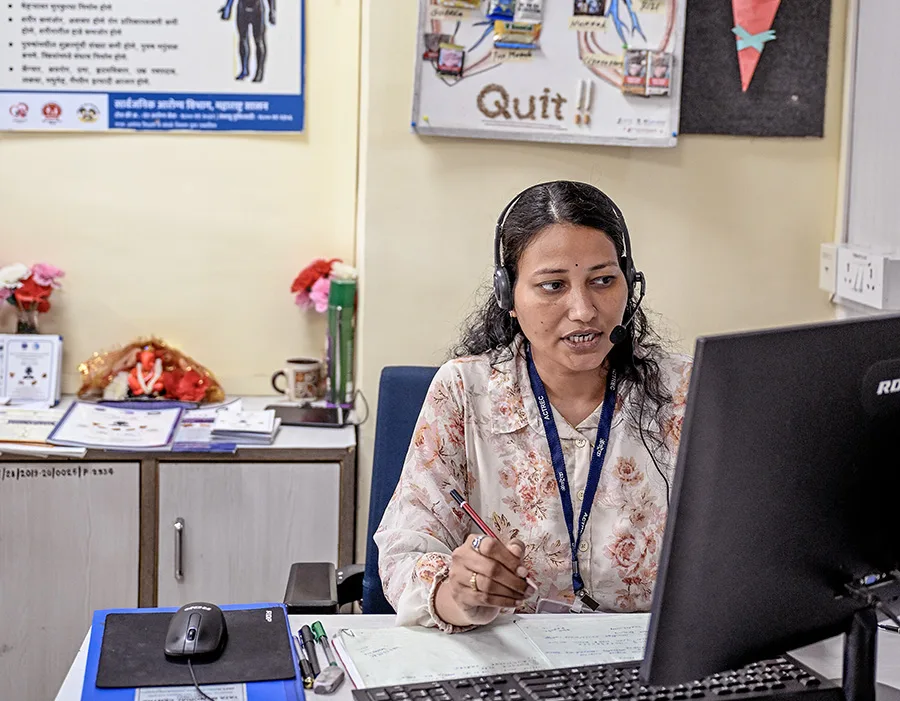
India was one of the winners of the Bloomberg Philanthropies Awards for Global Tobacco Control for its efforts to offer cessation services.
26%
26%decline in global smoking rates since 2007
35.2M
35.2Mlives saved from tobacco use globally since 2007
Global Cigarettes Sold (Billions)
Safer Roads, Safer Communities
Road crashes are the leading cause of death for young people ages five to 29. Since 2007, we have supported partners and governments to strengthen road safety laws and implement proven interventions that protect everyone on the road. To date, this has resulted in the passage of 188 national and subnational laws, covering over four billion people.
We have also supported 115 media campaigns, trained over 78,000 traffic enforcement officers, and helped redesign more than 2,300 high-risk intersections. Together, this work has saved nearly one million lives.
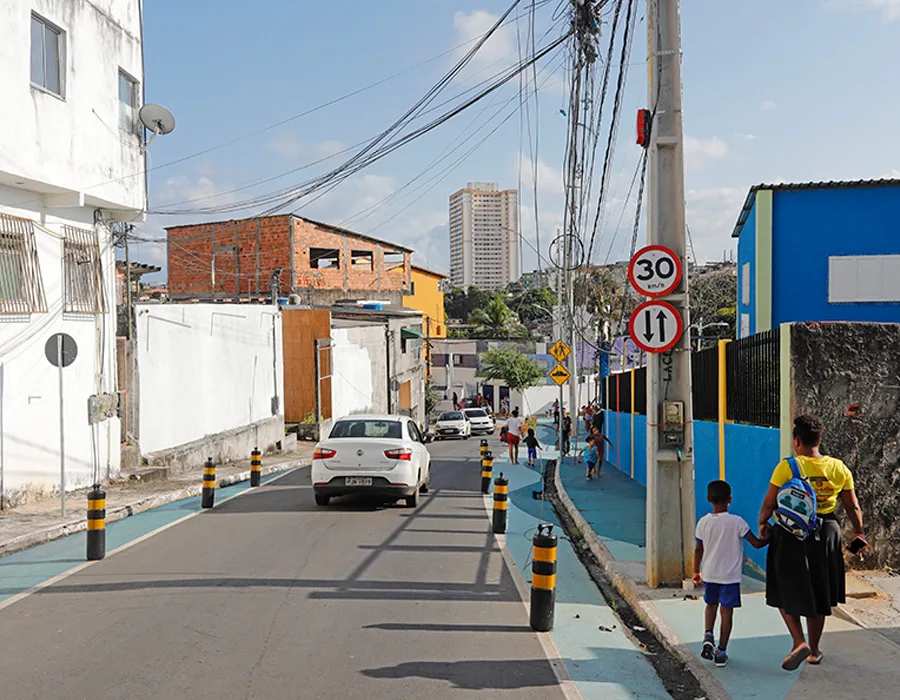
We supported partners in Salvador, Brazil, who helped to make safety improvements to a busy downtown road, including clearer speed limit signs, well-marked, wider sidewalks, and barricades. Credit: Global Designing Cities Initiative (GDCI) / Manuela Cavadas
Restoring and Improving Vision
Around one billion people globally live with untreated vision issues — and the vast majority of these issues are treatable. Our Vision Initiative is working with partners in six countries including the U.S. to provide 11 million vision screenings, distribute seven million pairs of eyeglasses, and restore sight for 250,000 people through life-changing cataract surgeries by 2027.
Since launching in May 2025, we have already helped partners distribute over 945,000 pairs of eyeglasses and perform more than 65,900 eyesight-restoring cataract surgeries.
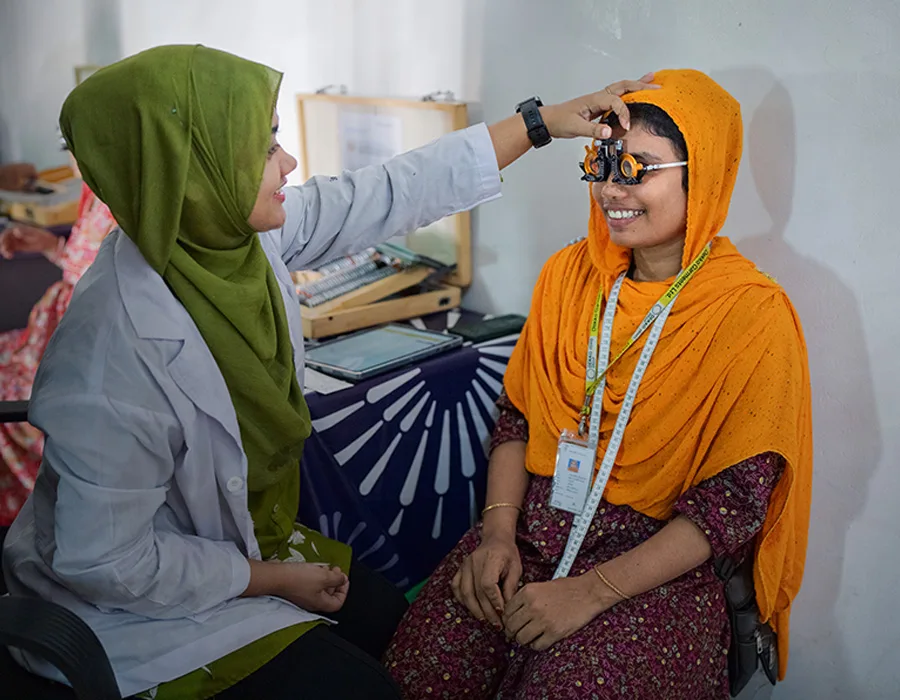
Factory workers in Bangladesh received vision screenings and free eyeglasses at their place of work.
945,000
945,000eyeglasses distributed since May 2025
65,900
65,900sight-restoring cataract surgeries performed since May 2025
Better Data, Better Policies
In 2015, we launched our Data for Health initiative to help governments in low- and middle-income countries strengthen the collection and use of birth, death, and other health data to better inform life-saving policies and investments. In total, we have supported governments in 81 countries, helping to collect or strengthen over 25.4 million death records and nearly 24 million birth records and train more than 160,000 health officials to better collect and analyze data.
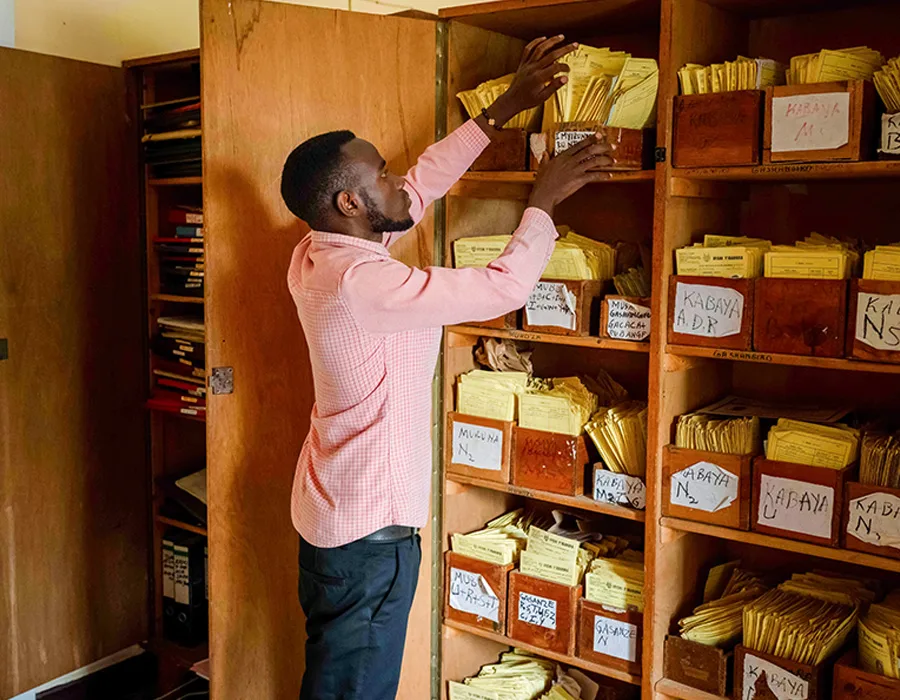
In Rwanda, our initiative has helped to digitize and modernize paper-based health records. Credit: Juan Arredondo/Vital Strategies
Healthier Diets, Healthier People
Unhealthy diets contribute to roughly seven million deaths every year. Since 2012, we have supported partners’ efforts to implement, evaluate, and spread policies that reduce the consumption of ultra-processed foods and sugary drinks — such as improving meals and restricting the marketing of unhealthy foods in schools, requiring warning labels on food and beverage packages, and taxing unhealthy foods and beverages.
In total, our partners have supported the passage of 62 such policies in 12 countries, including ten passed in 2025.
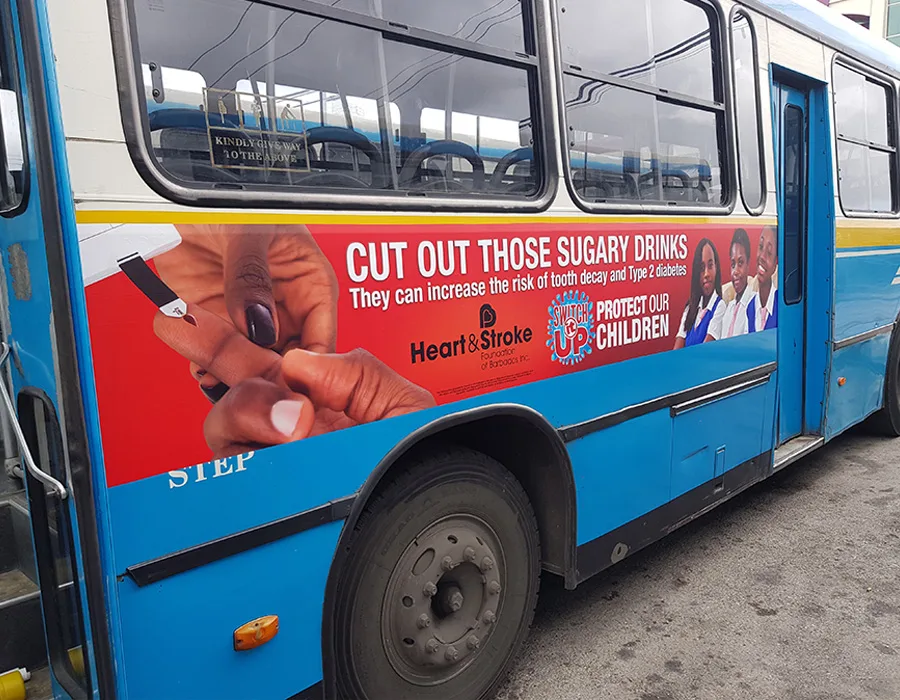
Partners in Barbados ran media campaigns in support of a proposed school nutrition policy, which passed in 2022. Credit: Illusion Graphics, Barbados
Preventing Drowning Globally
Drowning remains a significant, yet preventable, cause of death, causing 300,000 deaths each year. Since 2012, Bloomberg Philanthropies has worked in countries with the highest rates of drowning deaths, joining forces with local organizations and governments to collect accurate data, implement proven interventions, and scale national solutions that reduce drowning. In 2024, we announced a major reinvestment in this global work and also launched new efforts in 11 U.S. states with some of the highest rates of drowning deaths.

Preventing Lead Poisoning
Lead poisoning is a major public health threat, causing millions of premature deaths each year. Launched in 2025, our Lead Poisoning Prevention Initiative supports partners to advocate for strong government interventions that limit exposure to lead through regulations on common sources, including paint, spices, and lead-acid batteries; identify and clean up major sources of contamination, such as unsafe battery recycling locations; and expand testing for lead levels to strengthen data and help governments better understand the problem and tailor policies to address it.
Prioritizing Maternal Health
In 2025, Bloomberg Philanthropies expanded efforts to reduce maternal and newborn mortality across Sub-Saharan Africa, building on a successful model we first supported in Tanzania in 2006. We are working to strengthen high-quality obstetric care across high-need regions in Malawi, Nigeria, and Tanzania, and working with additional partners in the Democratic Republic of the Congo to provide 7,000 life-changing fistula repair surgeries — with more than 3,600 performed since May 2025.
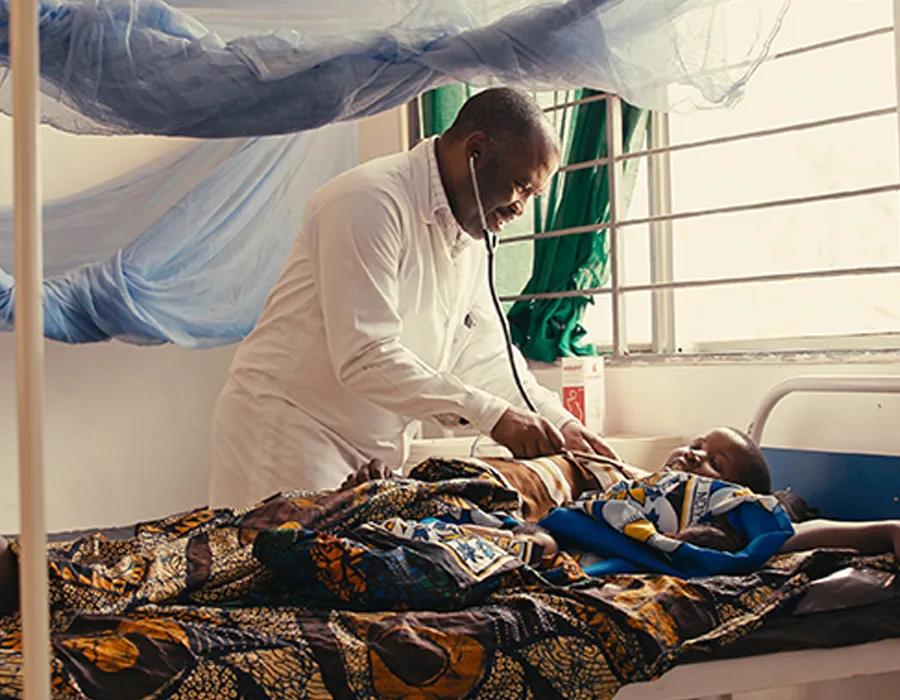
Our support to upgrade healthcare facilities in the Kigoma region of Tanzania helped to greatly improve maternal and infant health, leading Tanzania’s government to take over the program in 2019. Credit: Johns Hopkins University
SPOTLIGHT
Democratic Republic of the Congo
Deborah was just 17 when she developed a fistula following a difficult labor and the loss of her baby. Unable to access treatment, she was forced out of school and her home and lived with the condition for four years — until she heard a radio announcement about free fistula surgeries. After a successful procedure at one of 38 partner-supported hospital sites, Deborah is now healthy and able to pursue her education once again.
Combating the U.S. Overdose Epidemic
In 2018, Bloomberg Philanthropies launched efforts to help states combat the overdose epidemic, supporting partners to implement proven, data-driven policies, like increasing access to medication treatments and to public health services that reduce harm.
According to preliminary data, the seven states where we focus our work — Kentucky, Michigan, New Jersey, New Mexico, North Carolina, Pennsylvania, and Wisconsin — saw a 27 percent average decline in overdose deaths between 2023–2024.
27% average decline in overdose deaths between 2023–2024 in states where we work
Empowering Cities to Improve Health
In 2017, Bloomberg Philanthropies launched the Partnership for Healthy Cities to help more cities enact proven policies that reduce noncommunicable diseases and injuries. Now with more than 70 members, the network helps cities develop, adopt, and share policies that address six key health challenges: tobacco use, unhealthy diets, road safety, overdose prevention, data monitoring, and heat. To date, cities have implemented 40 policies in these areas, including nine passed in 2025.
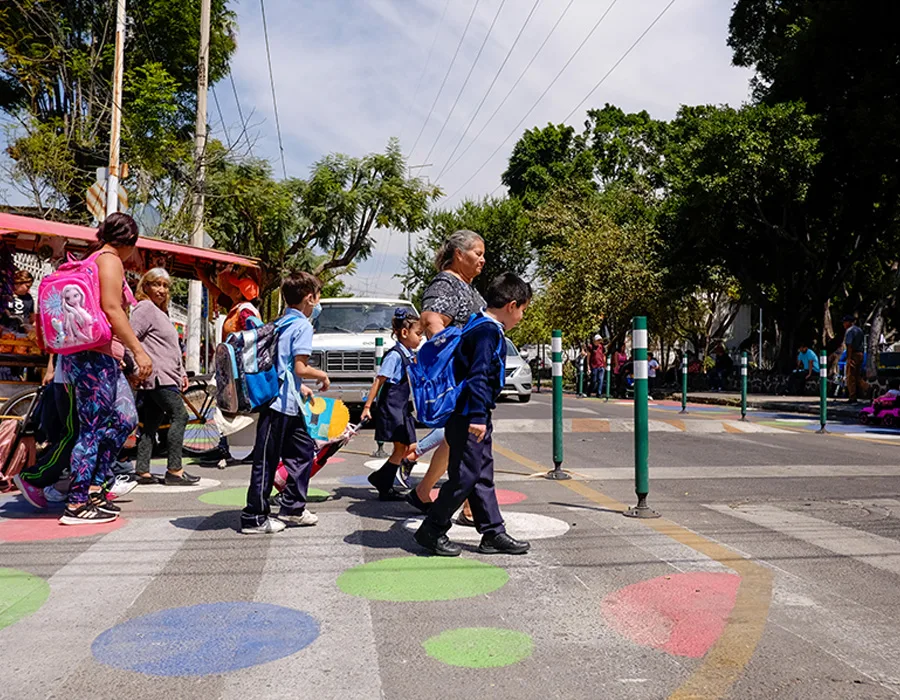
Through support from the Partnership for Healthy Cities, Guadalajara, Mexico, set 20 km/hr speed limits around all school zones to improve safety. Credit: WRI Mexico
Environment
Creating a More Sustainable World
Bloomberg Philanthropies’ Environment program focuses on the areas where our investments can drive the greatest impact, addressing the leading causes of the climate crisis and working to revitalize the environment, improve health, spur innovation, and create stronger, more sustainable economies.
In Mozambique, we work with partners to protect the ocean and support communities that rely on it for food and livelihoods. Photo Credit: Luca Crudelli © WCS
Bloomberg Philanthropies’ Environment program focuses on the areas where our investments can drive the greatest impact, addressing the leading causes of the climate crisis and working to revitalize the environment, improve health, spur innovation, and create stronger, more sustainable economies.
Leading Global City Networks on Climate Change
Home to the majority of the world’s population, cities are on the front lines of tackling the climate challenge as powerful engines of innovation and opportunity. Bloomberg Philanthropies works closely with global networks, such as C40 Cities and the Global Covenant of Mayors, to elevate city leadership, strengthen local climate action, and accelerate progress toward key global goals.
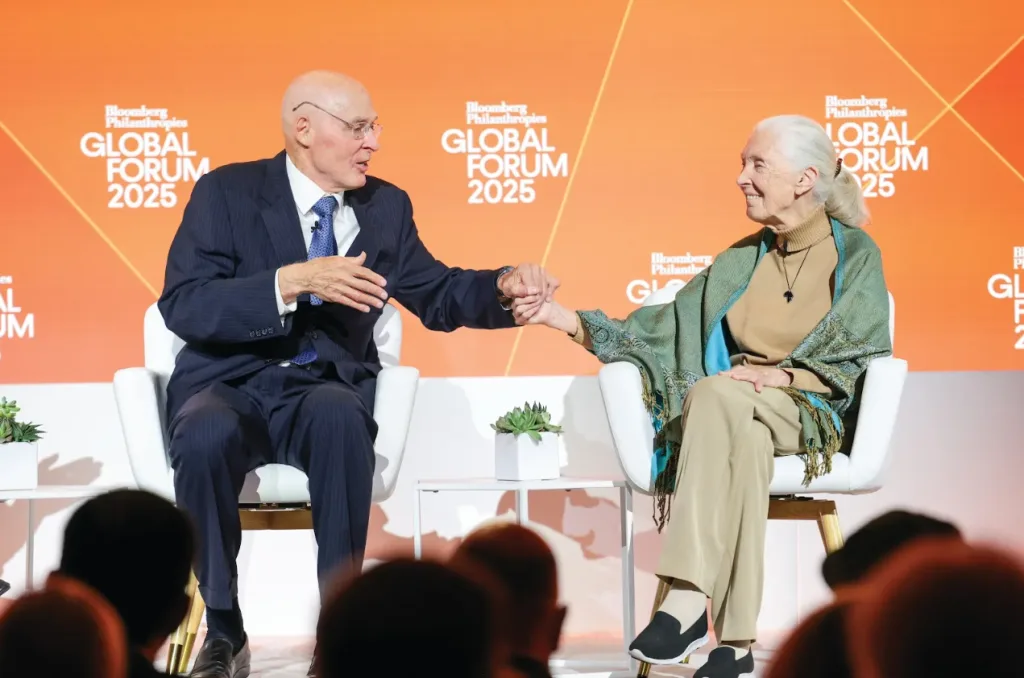
Jane Goodall spoke with our board member Hank Paulson about the importance of conservation at the Bloomberg Philanthropies Global Forum in New York City in September 2025.
Strengthening Ocean Protections
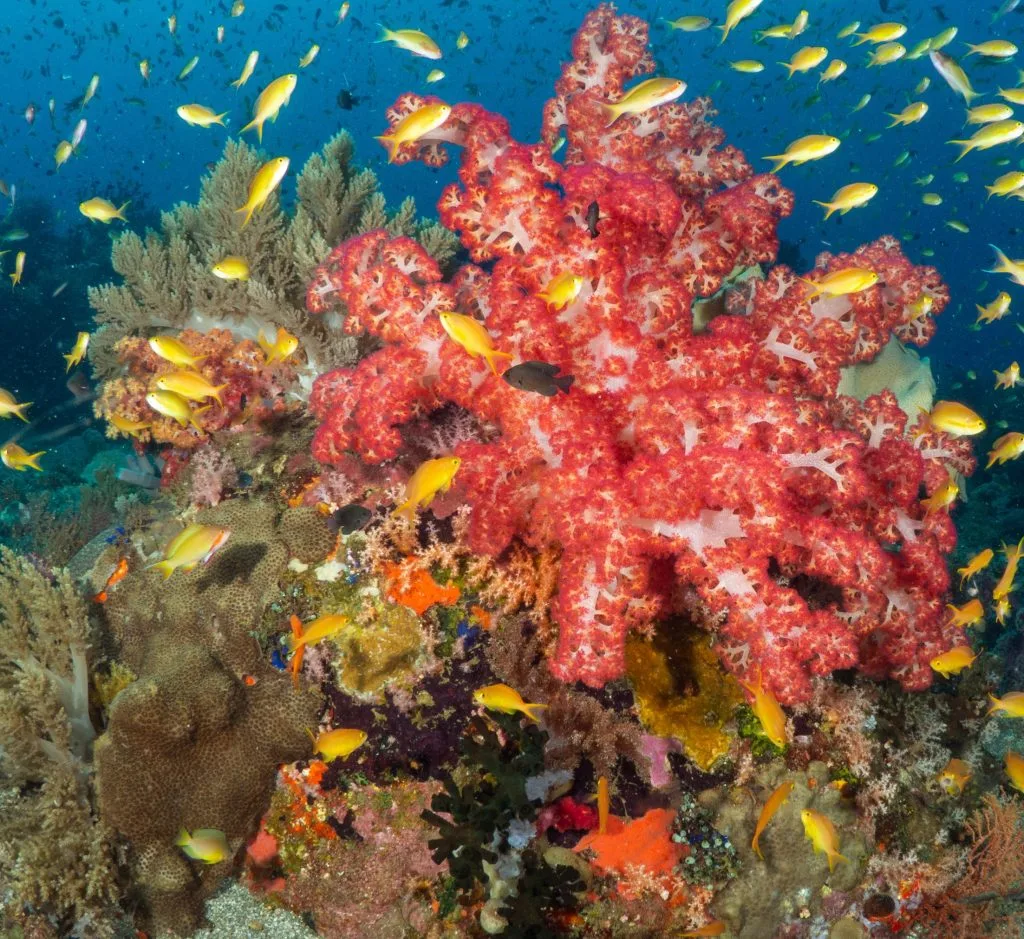
The ocean is a source of food and livelihoods for over three billion people. Bloomberg Philanthropies’ Ocean Initiative partners with governments, leading nonprofits, scientists and researchers, and coastal communities to advance data-driven solutions and policies that safeguard and strengthen marine ecosystems and the communities that rely on them.
In 2026, the world achieved a major milestone: The High Seas Treaty officially entered into force, and now our partners are developing the first wave of marine protected areas in international waters.

Through the Bloomberg Ocean Initiative, we have worked with partners to strengthen protections for over 11M square miles of ocean. Credit: Renz Perez © WCS
Helping Cities Breathe Easy
We launched Breathe Cities in 2023 to help cities create and implement solutions that cut emissions and improve public health. Along with our partners, we provide dedicated support to 14 global cities, who have collectively implemented over 20 policies to reduce air pollution, from traffic restrictions near schools, to bans on the use of coal for heating. Across all cities, this work has helped reduce major pollutants, including toxic nitrogen dioxide, by an average of up to 14 percent.
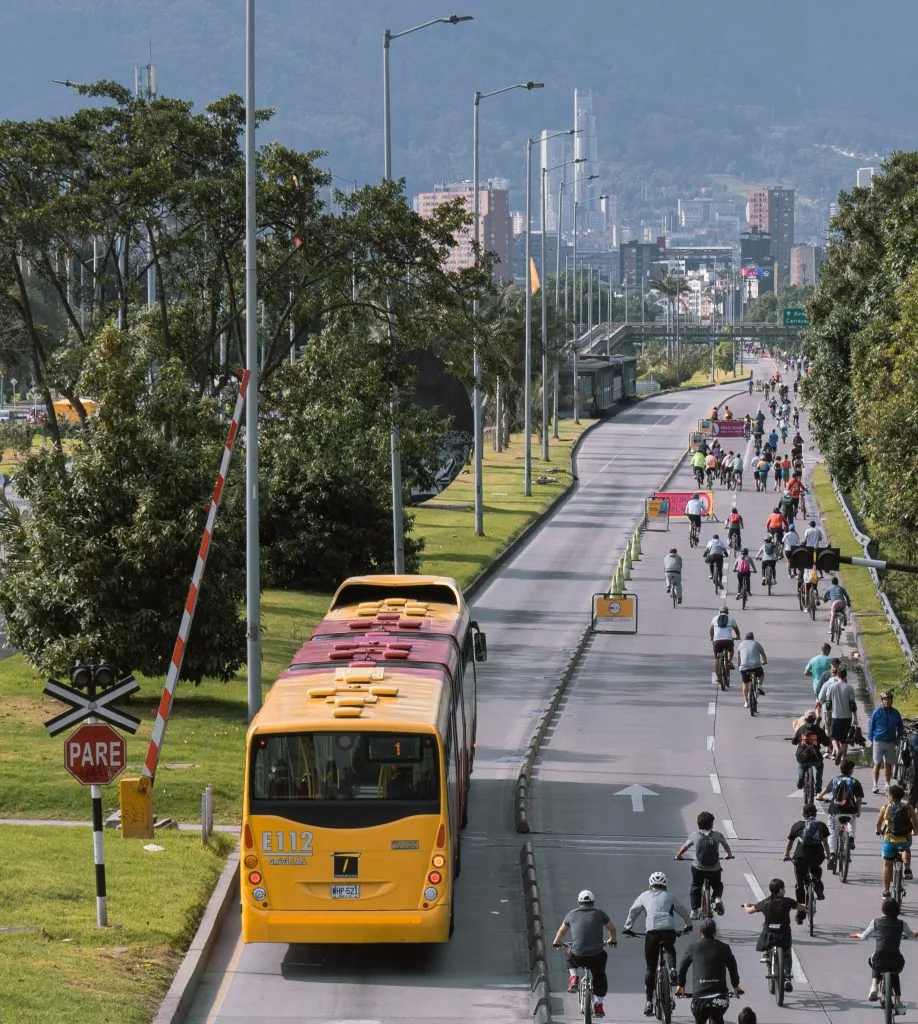
Through Breathe Cities and the C40 Cities network, Bogotá, Colombia, has taken action to reduce air pollution, including temporarily closing a major thoroughfare to single-rider vehicle traffic in 2024. Credit: Juan Pablo Daza / C40
Advancing Climate Finance
Historic levels of private investment are needed to expand access to clean energy, build resilience to extreme weather, and support sustainable growth, especially in emerging markets and developing economies where energy demand is growing. Bloomberg Philanthropies’ approach focuses on improving access to reliable data related to climate risks and opportunities and fostering public-private partnerships that overcome barriers to investment — helping to increase access to affordable, clean energy in communities around the world.
Accelerating the Energy Transition
Accelerating the transition to clean energy remains a powerful pathway to create jobs, spur investment, and slow the pace of climate change while protecting public health — especially as demand for energy increases. Through our Beyond Carbon campaign, we work to replace U.S. coal and gas plants with clean energy. Since beginning efforts to end reliance on coal in 2010, we have worked with partners to secure the retirement of nearly three-quarters of U.S. coal plants (390 of 530), driving the largest emissions reductions in the country.
We have also expanded this work globally beginning in 2017, helping to close nearly 60 percent of coal plants in the EU, among other progress. We continued to see major advances in 2025, where for the first time, clean energy generation outpaced coal globally.
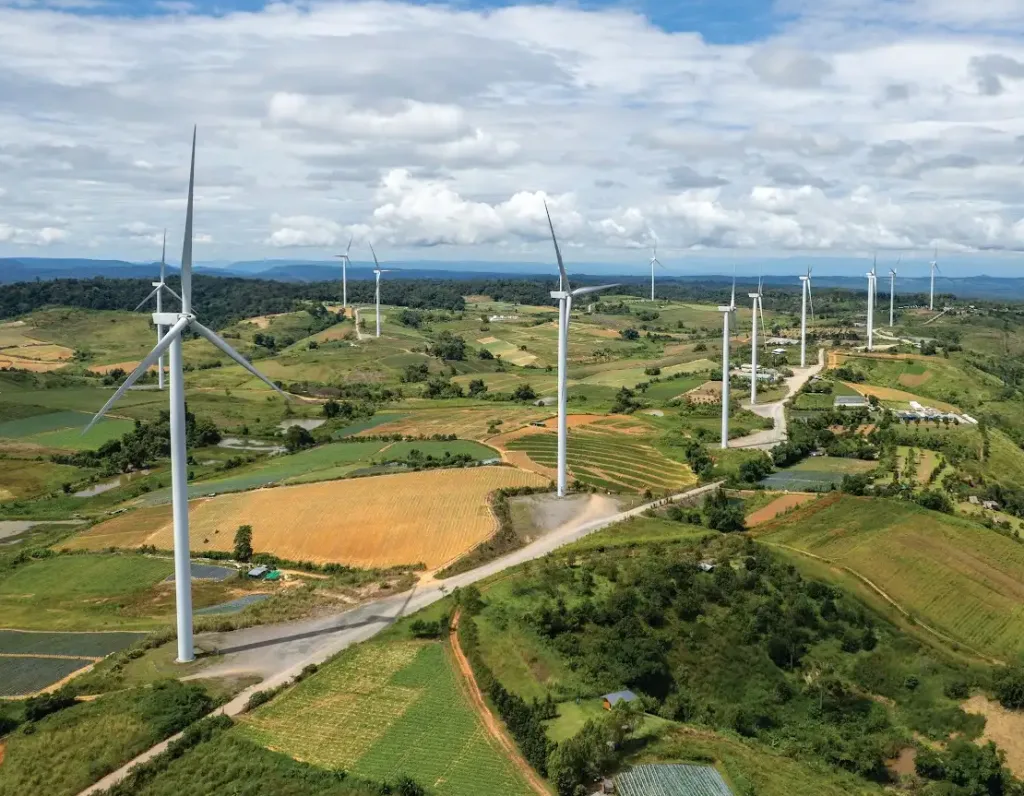
In Thailand, we supported partners who advocated for a new national energy policy that will reduce reliance on gas and spur investment in clean energy.
SPOTLIGHT
Ireland
Ireland went coal-free in June 2025 with the closure of its last coal-fired power plant, becoming the 15th country in Europe to go coal-free. Wind now supplies more than one-third of the country’s energy, up from just one percent in 2000.
Stopping New U.S. Petrochemicals
Petrochemical plants, which turn fossil fuels into plastics, fertilizers, and other everyday products, are becoming a major source of carbon emissions and toxic pollution in the United States.
In 2022, we launched the Beyond Petrochemicals campaign with local partners to stop the planned expansion of the industry. To date, Beyond Petrochemicals has helped to stop 37 proposed petrochemical facilities, including 19 in 2025 — averting the annual emissions equivalent of 13 coal plants and over 24,000 tons of toxic air pollutants.

Communities located directly next to petrochemical facilities, like this one in Port Arthur, Texas, bear the brunt of negative health effects caused by the toxic pollution they produce.
Tackling Global Methane Emissions
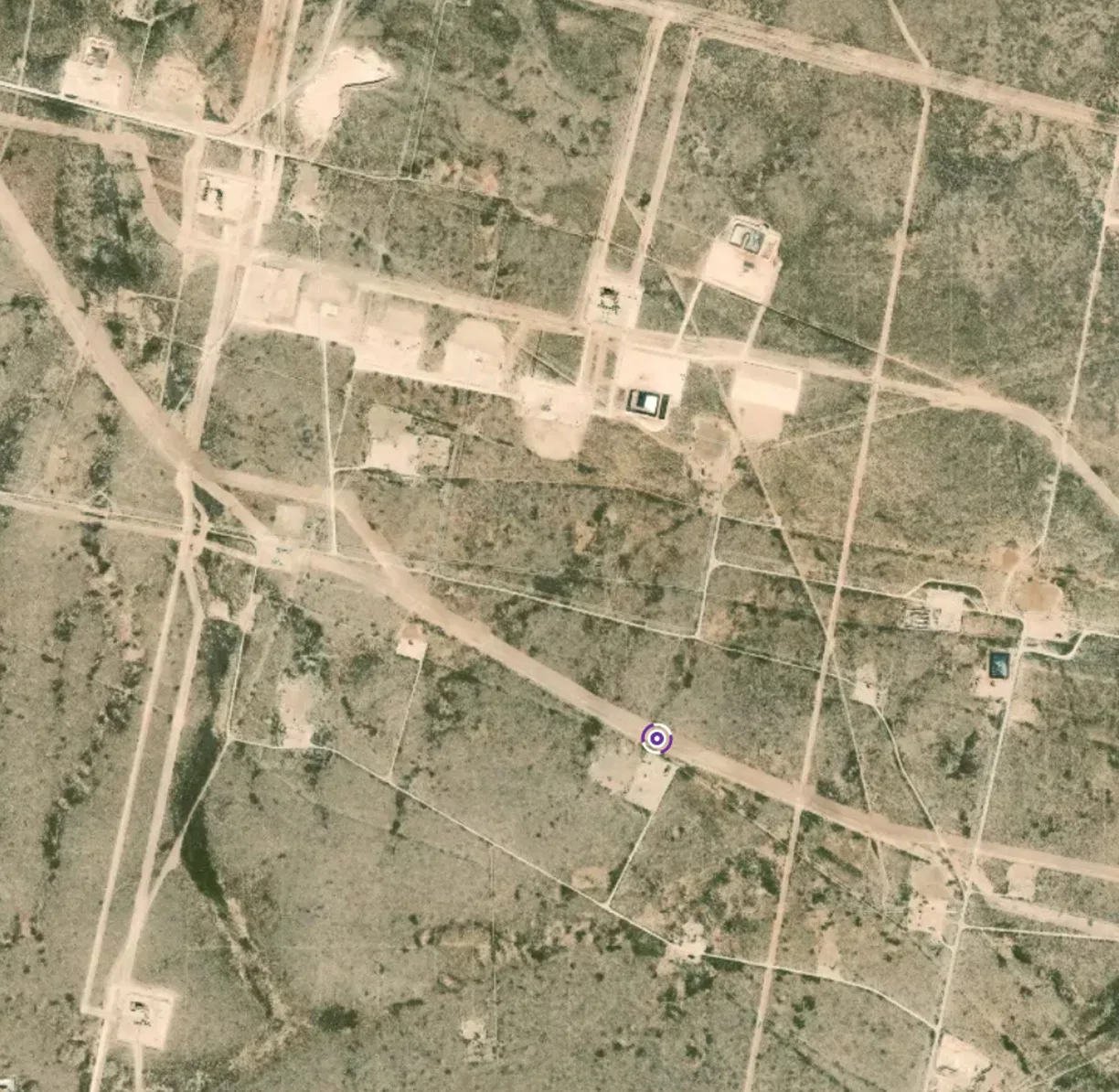
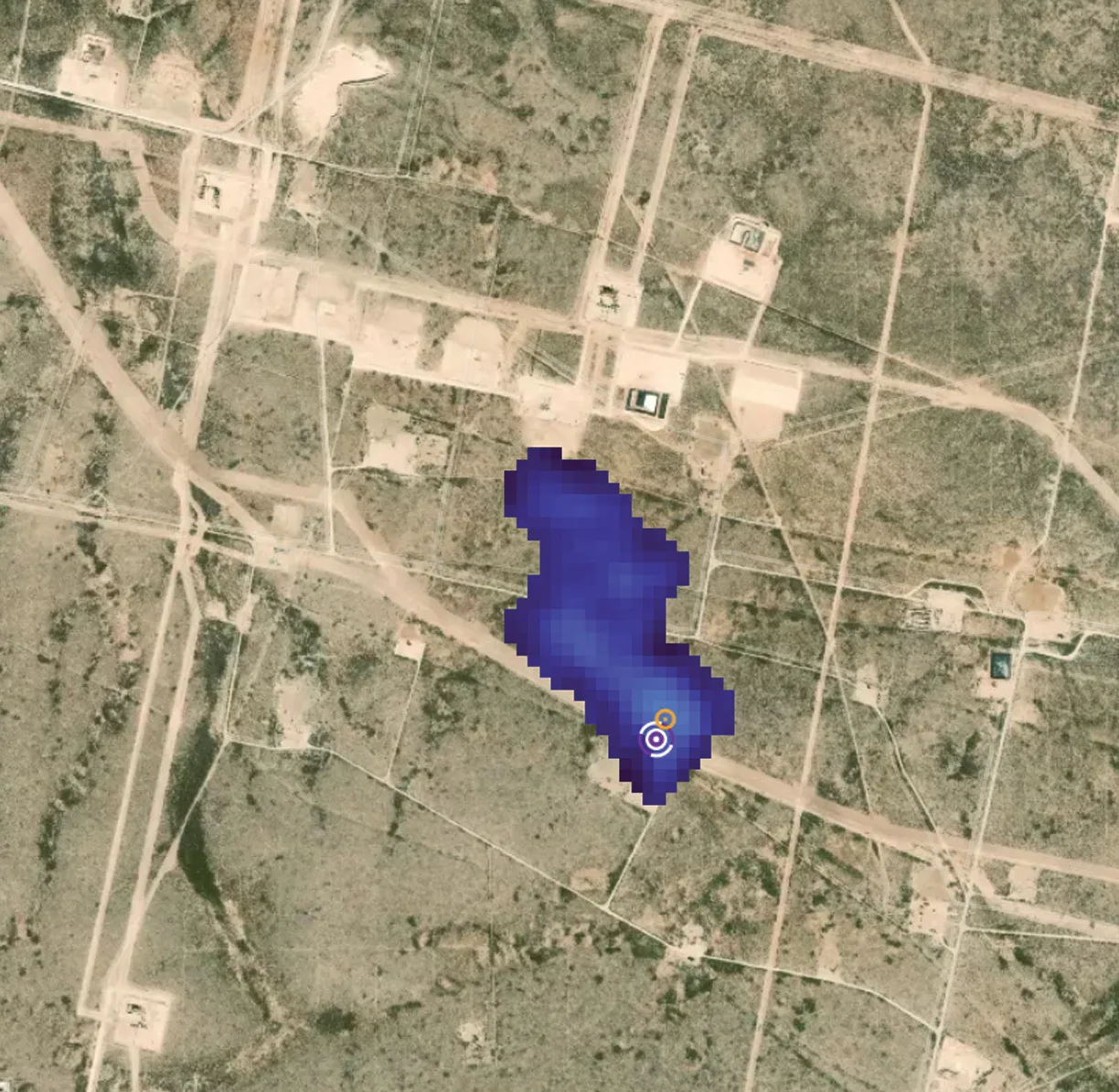
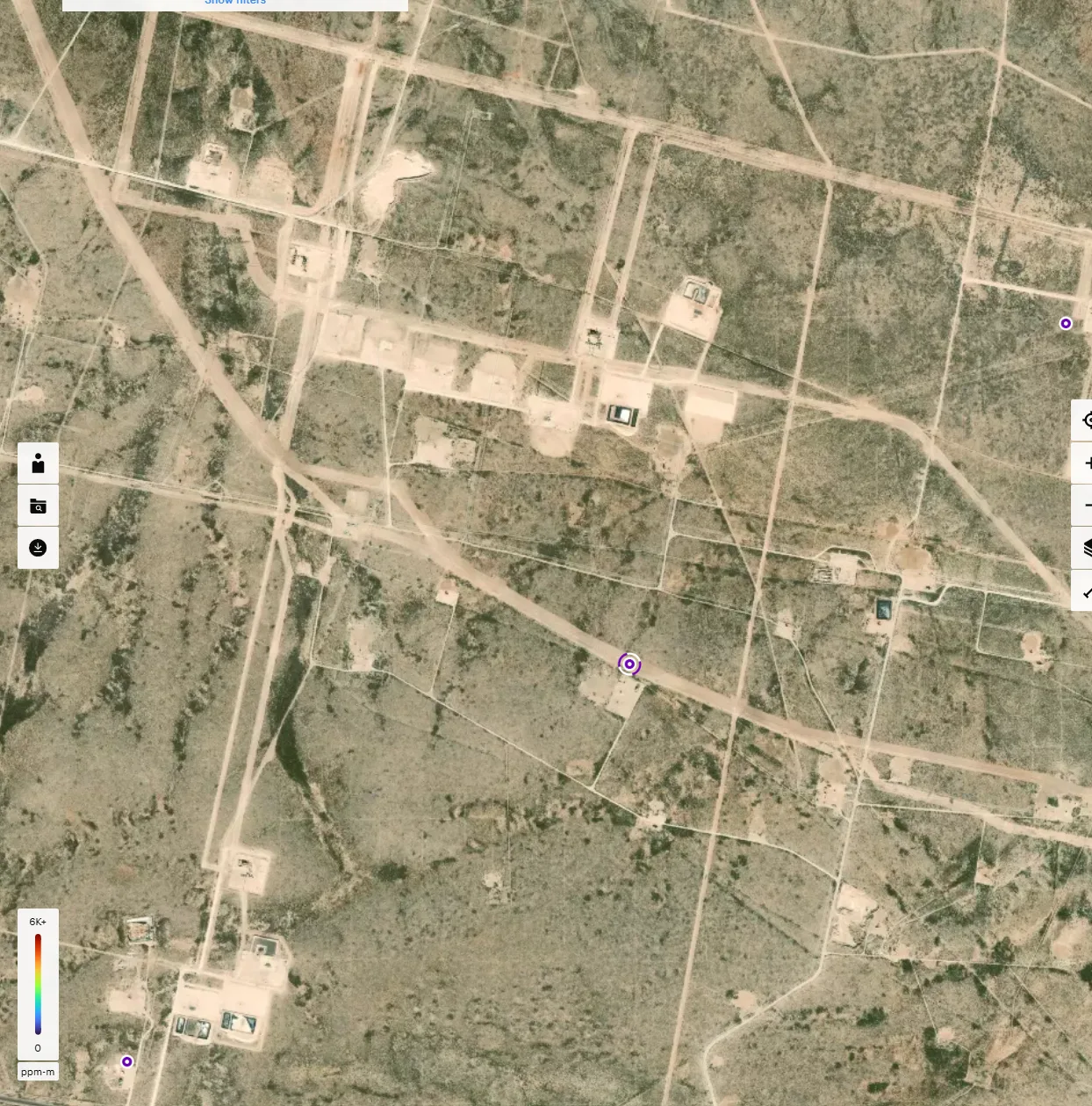
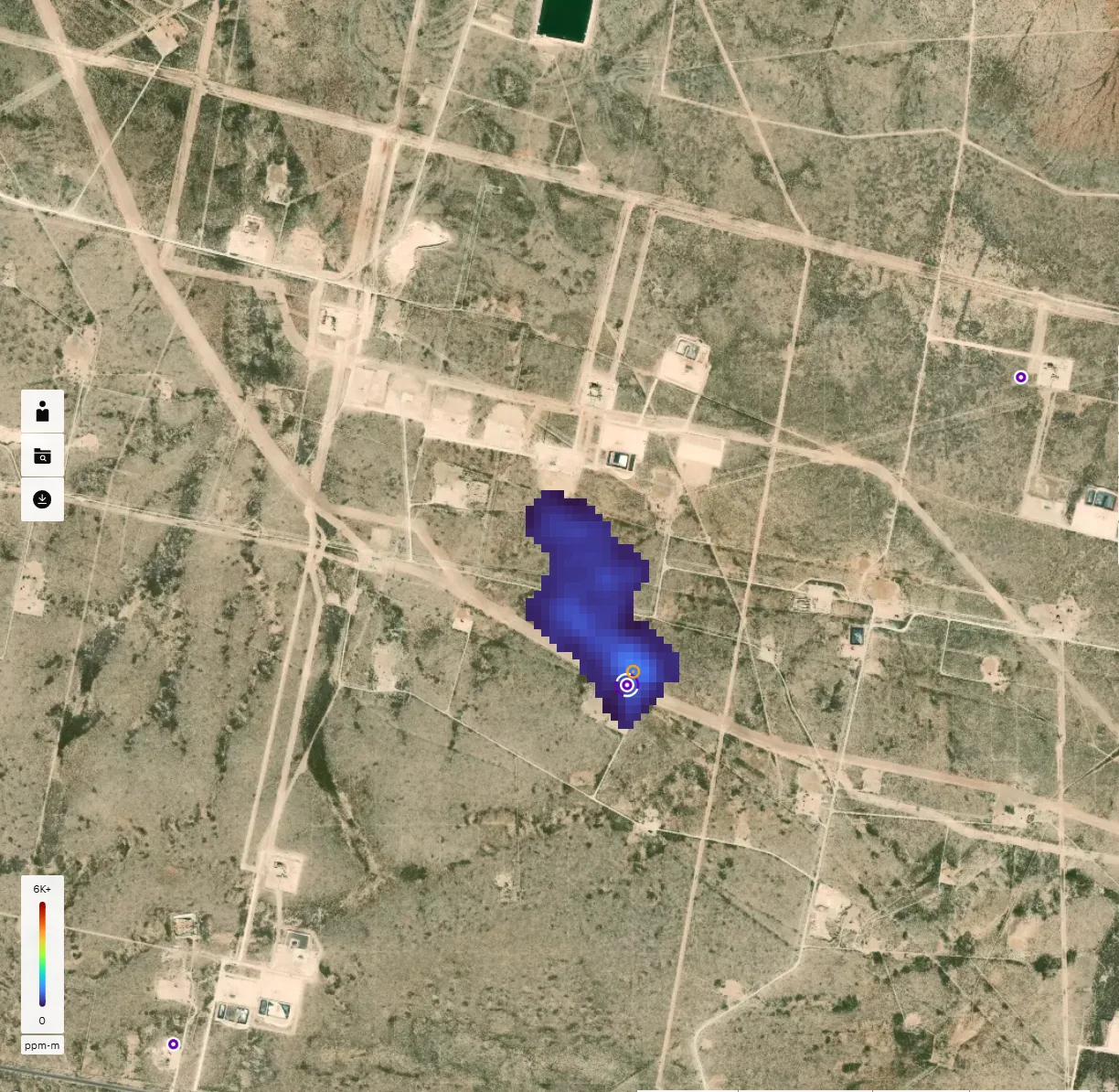
Methane is one of the most powerful drivers of climate change, and reducing methane emissions now can have near immediate benefits. To increase data and transparency on methane emissions, we supported the launch of a methane-detecting satellite in 2024 that has identified and published data on over 12,500 large plumes to date.
In 2025, we announced a major new $100 million commitment to accelerate global methane reductions, supporting efforts to detect methane super-emitting events, improve data, and work with governments and companies to cut pollution at its source.
Founder's Projects
Investing in Key Issues and Institutions
In addition to our work on public health, education, the environment, the arts, and cities, Bloomberg Philanthropies' Founders Projects are unique efforts we support that fall outside of our core program areas.
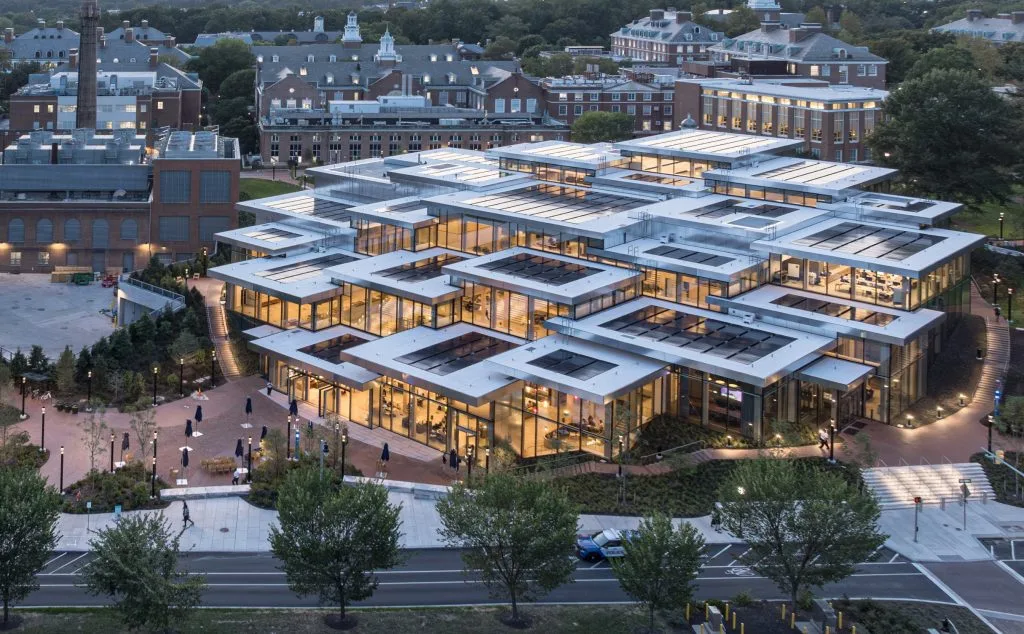
The Bloomberg Student Center opened at Johns Hopkins University in October 2025, featuring artwork by Jorge Pardo, pictured here. Photo Credit: Courtesy of Johns Hopkins University
In addition to our work on public health, education, the environment, the arts, and cities, Bloomberg Philanthropies’s Founders Projects are unique efforts we support that fall outside of our core program areas.
Supporting Johns Hopkins
Mike has been a longtime supporter of his alma mater, Johns Hopkins University, beginning with a $5 donation the year he graduated. Since then, we have supported research, capital projects, endowed professorships, and a wide range of scholarships – including a $1.8 billion gift in 2018 that made Johns Hopkins need-blind for undergraduates in perpetuity, and an additional $1 billion gift in 2024 to increase financial aid for graduate students in the schools of medicine, nursing, and public health, as well as other graduate programs.
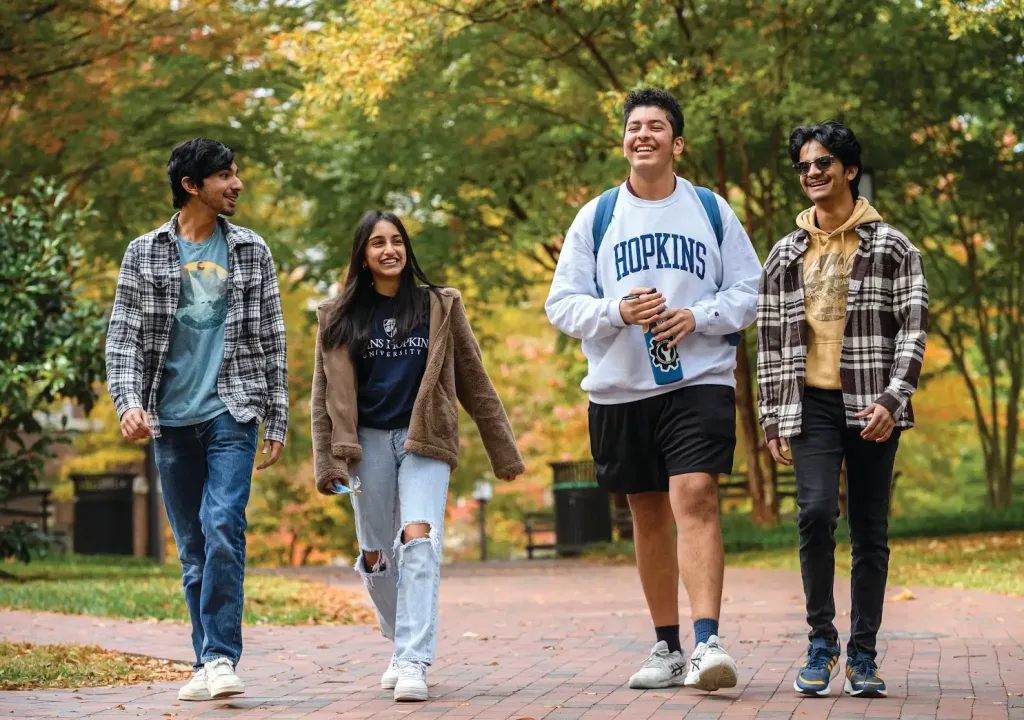
Undergraduate students at Johns Hopkins University have the lowest median student debt in the U.S., thanks to Mike‘s gift that made admissions permanently need-blind.
Promoting Women’s Economic Independence
Since 2007, we have partnered with governments, nonprofits, and the private sector to expand opportunities that lead to economic independence for women across Sub-Saharan Africa and around the world. The program provides women with training and education in key vocational tracks, from agriculture and textile making, to construction and hospitality.
This year, we reached a major milestone: More than one million women have enrolled in training and education programs, which has in turn benefited over 6.5 million of their family members.
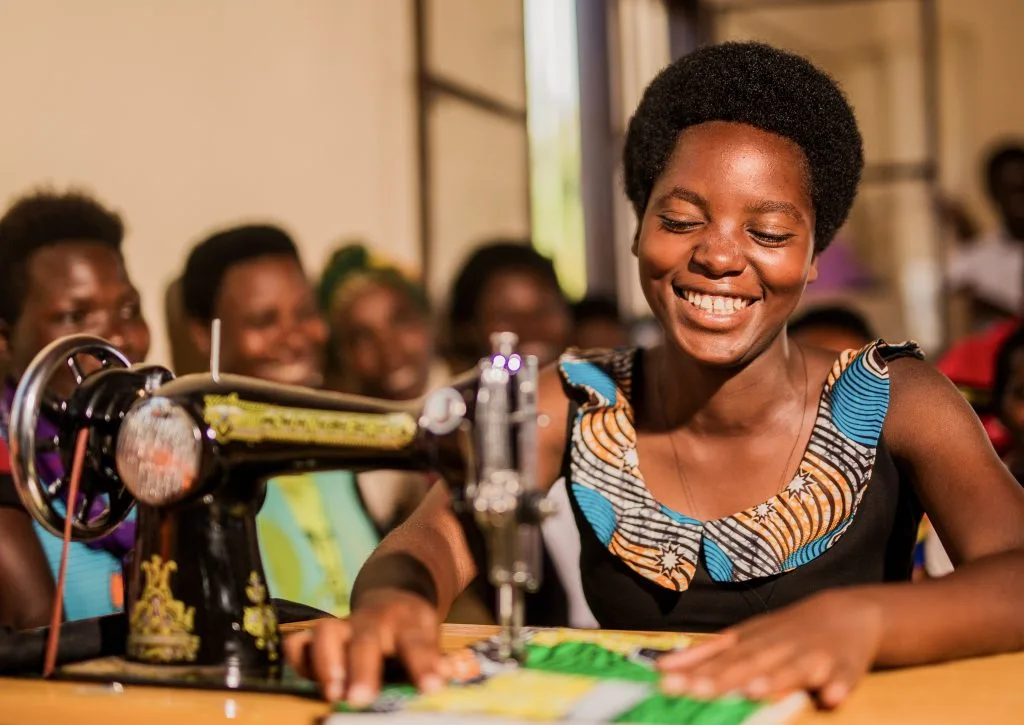
Women received training in income-generating activities like textile making at the Women’s Opportunity Center in Rwanda, which we supported in partnership with Women for Women International. Credit: Serrah Galos
1,000,000
1,000,000women enrolled in training and education programs since 2007
Reducing U.S. Wealth Disparities
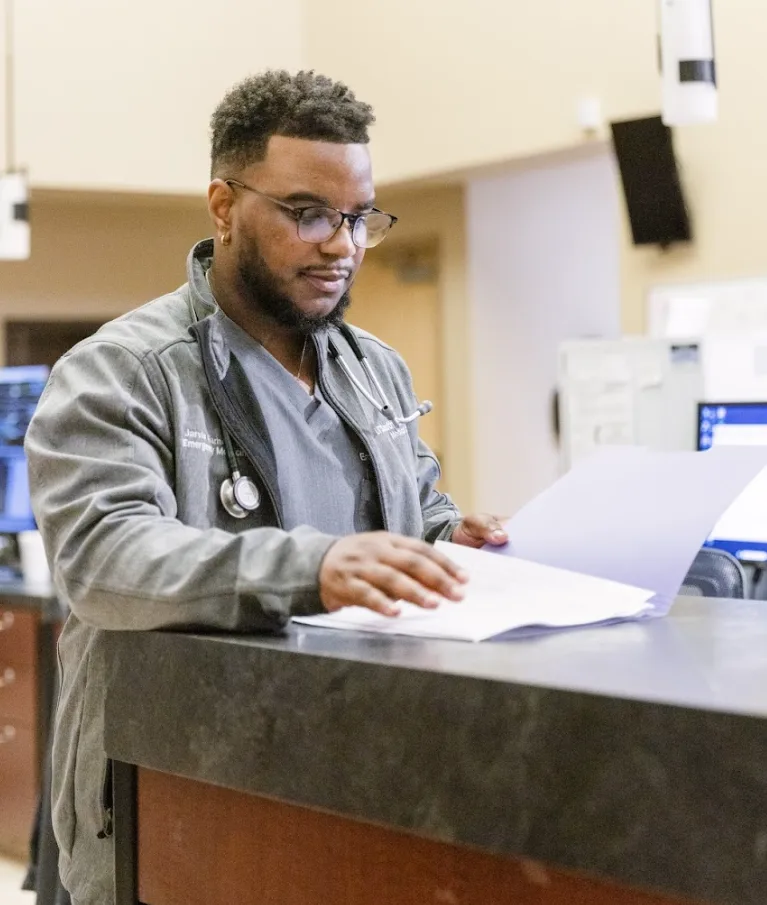
Through our Greenwood Initiative, Bloomberg Philanthropies aims to expand wealth-building opportunities for those in the bottom half of the wealth distribution. As part of this effort, we have supported the nation’s four historically Black medical schools, funded students from a broad range of academic backgrounds to earn PhDs in STEM at Johns Hopkins, provided clearer, more accessible data to decision-makers working to address wealth disparities, and helped cities provide residents with financial planning support.
Advancing Breakthroughs in Medical Research
Bloomberg Philanthropies has long invested in advancing medical research for diseases and disorders that receive limited attention and funding — particularly where bold, unconventional approaches are needed.
We have provided sustained support to organizations including the Lupus Research Alliance, Target ALS, the Breast Cancer Research Foundation, and New York Genome Center, among others. At Johns Hopkins, we fund several cutting-edge medical research programs, including the Neurofibromatosis Therapeutic Acceleration Program, the Malaria Research Institute, and the Bloomberg~Kimmel Institute for Cancer Immunotherapy.
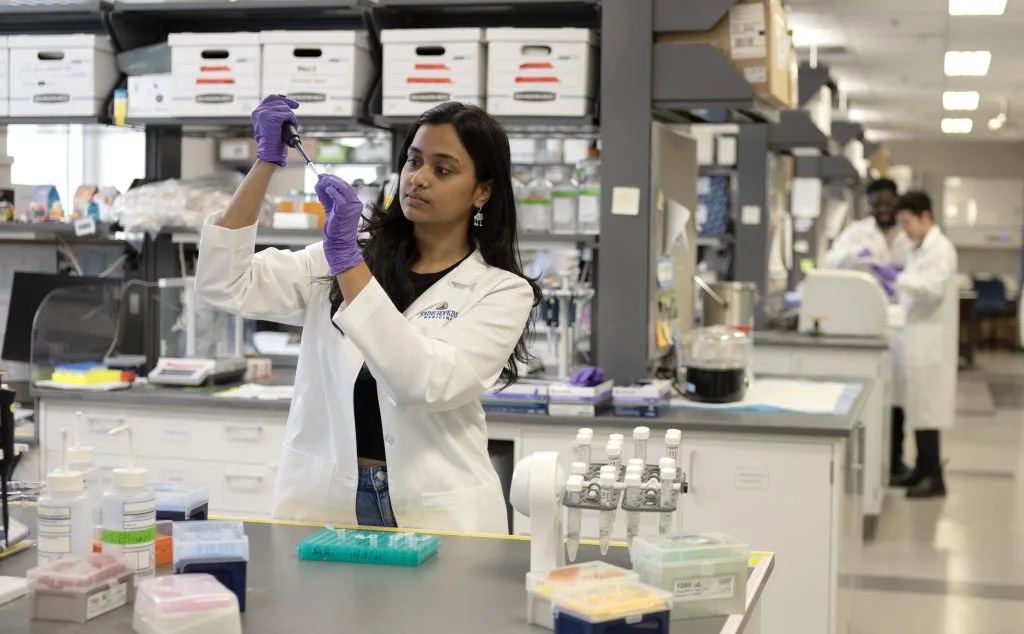
We support groundbreaking medical research on malaria, neurofibromatosis, and cancer immunotherapy treatments at Johns Hopkins University.