Bloomberg Philanthropies’ Environment program focuses on the areas where our investments can drive the greatest impact, addressing the leading causes of the climate crisis and working to revitalize the environment, improve health, spur innovation, and create stronger, more sustainable economies.
Leading Global City Networks on Climate Change
Home to the majority of the world’s population, cities are on the front lines of tackling the climate challenge as powerful engines of innovation and opportunity. Bloomberg Philanthropies works closely with global networks, such as C40 Cities and the Global Covenant of Mayors, to elevate city leadership, strengthen local climate action, and accelerate progress toward key global goals.

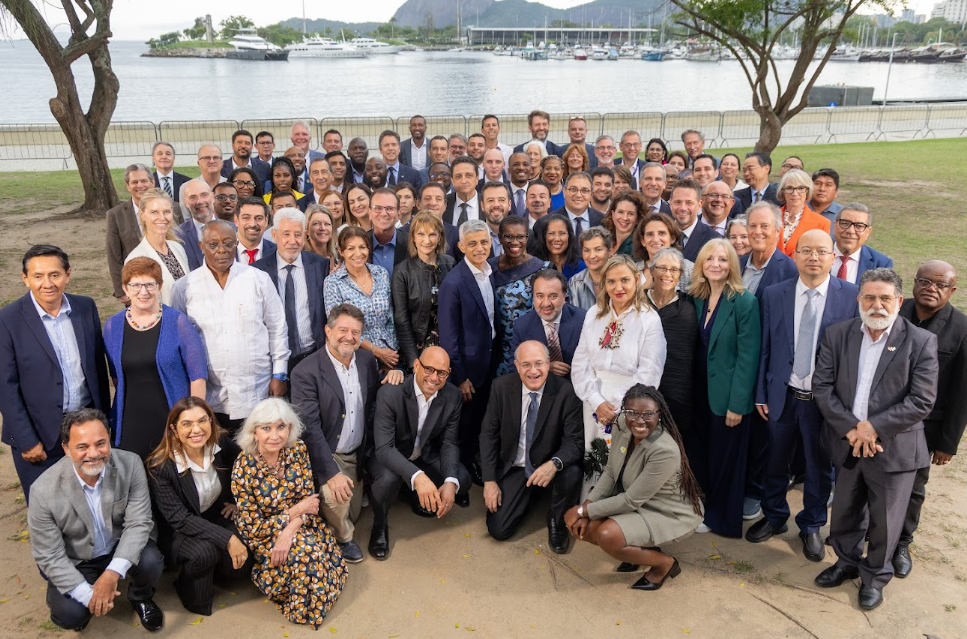
Jane Goodall spoke with our board member Hank Paulson about the importance of conservation at the Bloomberg Philanthropies Global Forum in New York City in September 2025.
Strengthening Ocean Protections
The ocean is a source of food and livelihoods for over three billion people. Bloomberg Philanthropies’ Ocean Initiative partners with governments, leading nonprofits, scientists and researchers, and coastal communities to advance data-driven solutions and policies that safeguard and strengthen marine ecosystems and the communities that rely on them.
In 2026, the world achieved a major milestone: The High Seas Treaty officially entered into force, and now our partners are developing the first wave of marine protected areas in international waters.
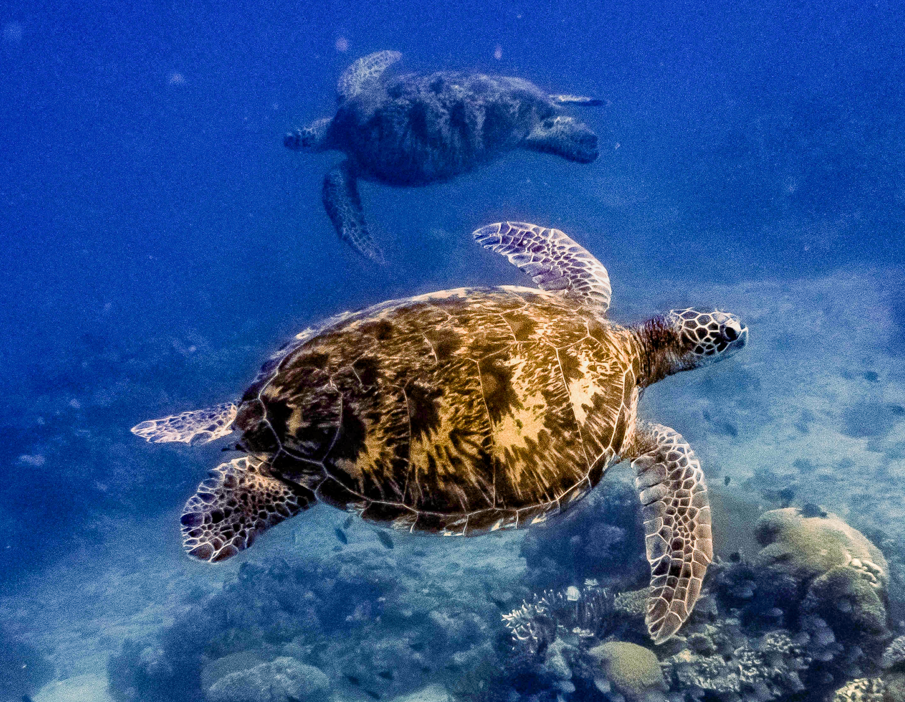
Through the Bloomberg Ocean Initiative, we have worked with partners to strengthen protections for over 11M square miles of ocean. Credit: Renz Perez © WCS
Helping Cities Breathe Easy
We launched Breathe Cities in 2023 to help cities create and implement solutions that cut emissions and improve public health. Along with our partners, we provide dedicated support to 14 global cities, who have collectively implemented over 20 policies to reduce air pollution, from traffic restrictions near schools, to bans on the use of coal for heating. Across all cities, this work has helped reduce major pollutants, including toxic nitrogen dioxide, by an average of up to 14 percent.
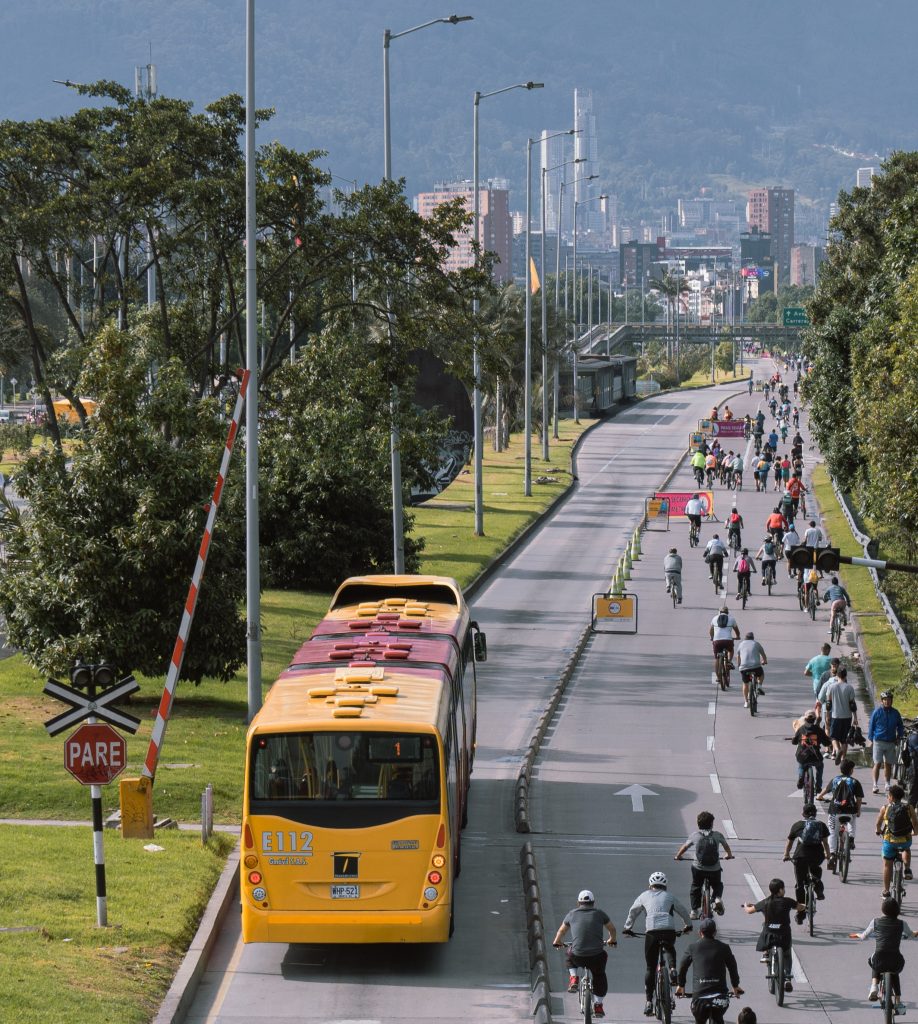
Through Breathe Cities and the C40 Cities network, Bogotá, Colombia, has taken action to reduce air pollution, including temporarily closing a major thoroughfare to single-rider vehicle traffic in 2024. Credit: Juan Pablo Daza / C40
Advancing Climate Finance
Historic levels of private investment are needed to expand access to clean energy, build resilience to extreme weather, and support sustainable growth, especially in emerging markets and developing economies where energy demand is growing. Bloomberg Philanthropies’ approach focuses on improving access to reliable data related to climate risks and opportunities and fostering public-private partnerships that overcome barriers to investment — helping to increase access to affordable, clean energy in communities around the world.
Accelerating the Energy Transition
Accelerating the transition to clean energy remains a powerful pathway to create jobs, spur investment, and slow the pace of climate change while protecting public health — especially as demand for energy increases. Through our Beyond Carbon campaign, we work to replace U.S. coal and gas plants with clean energy. Since beginning efforts to end reliance on coal in 2010, we have worked with partners to secure the retirement of nearly three-quarters of U.S. coal plants (390 of 530), driving the largest emissions reductions in the country.
We have also expanded this work globally beginning in 2017, helping to close nearly 60 percent of coal plants in the EU, among other progress. We continued to see major advances in 2025, where for the first time, clean energy generation outpaced coal globally.
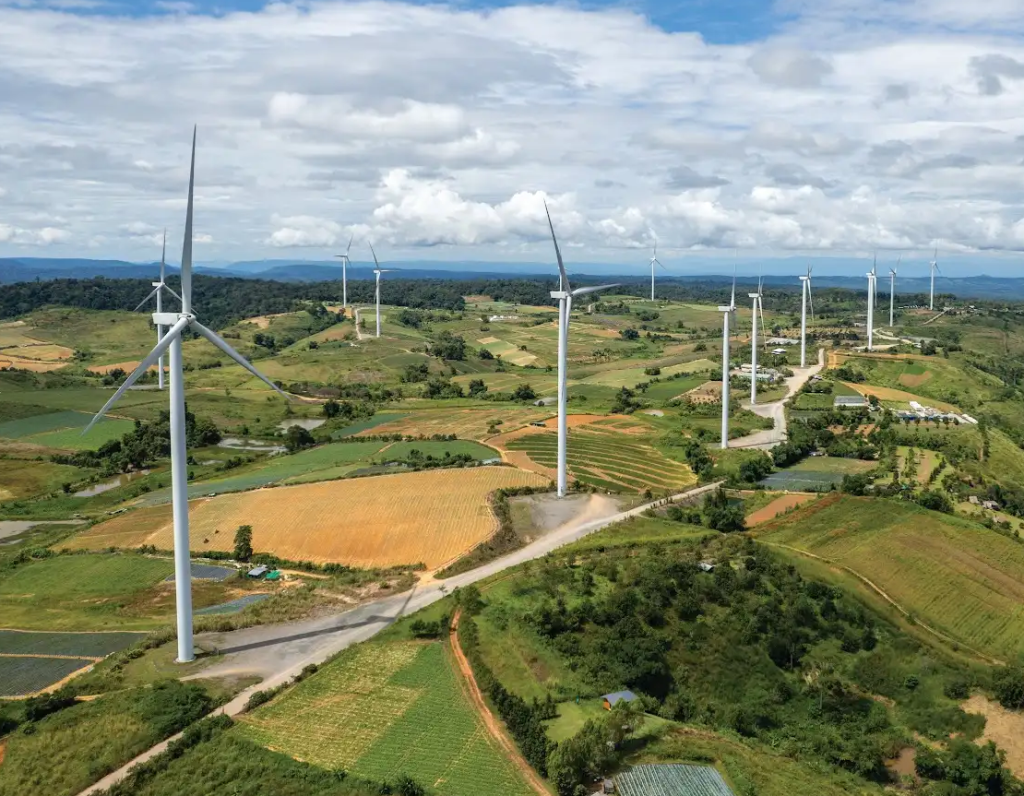
In Thailand, we supported partners who advocated for a new national energy policy that will reduce reliance on gas and spur investment in clean energy.
SPOTLIGHT
Ireland
Ireland went coal-free in June 2025 with the closure of its last coal-fired power plant, becoming the 15th country in Europe to go coal-free. Wind now supplies more than one-third of the country’s energy, up from just one percent in 2000.
Stopping New U.S. Petrochemicals
Petrochemical plants, which turn fossil fuels into plastics, fertilizers, and other everyday products, are becoming a major source of carbon emissions and toxic pollution in the United States.
In 2022, we launched the Beyond Petrochemicals campaign with local partners to stop the planned expansion of the industry. To date, Beyond Petrochemicals has helped to stop 37 proposed petrochemical facilities, including 19 in 2025 — averting the annual emissions equivalent of 13 coal plants and over 24,000 tons of toxic air pollutants.
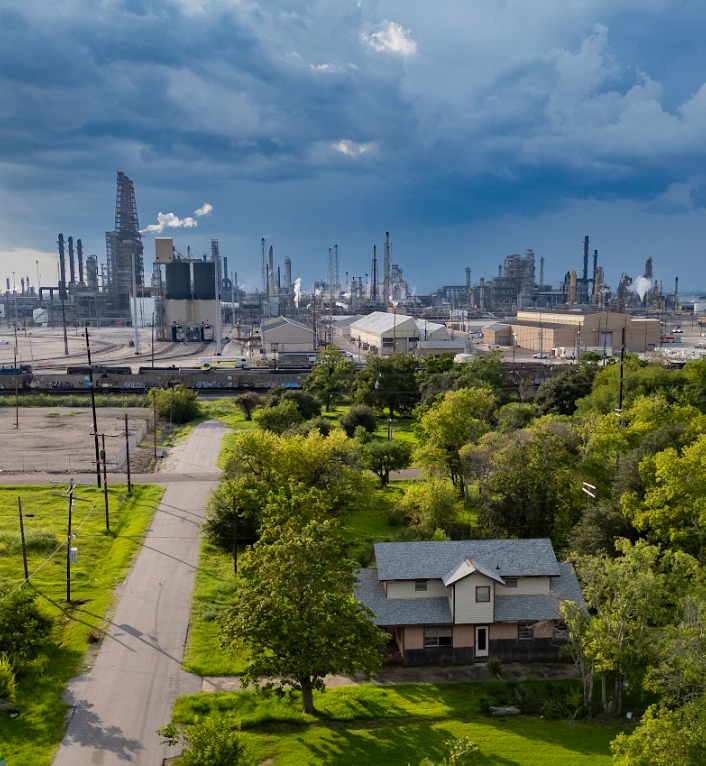
Communities located directly next to petrochemical facilities, like this one in Port Arthur, Texas, bear the brunt of negative health effects caused by the toxic pollution they produce.
Tackling Global Methane Emissions
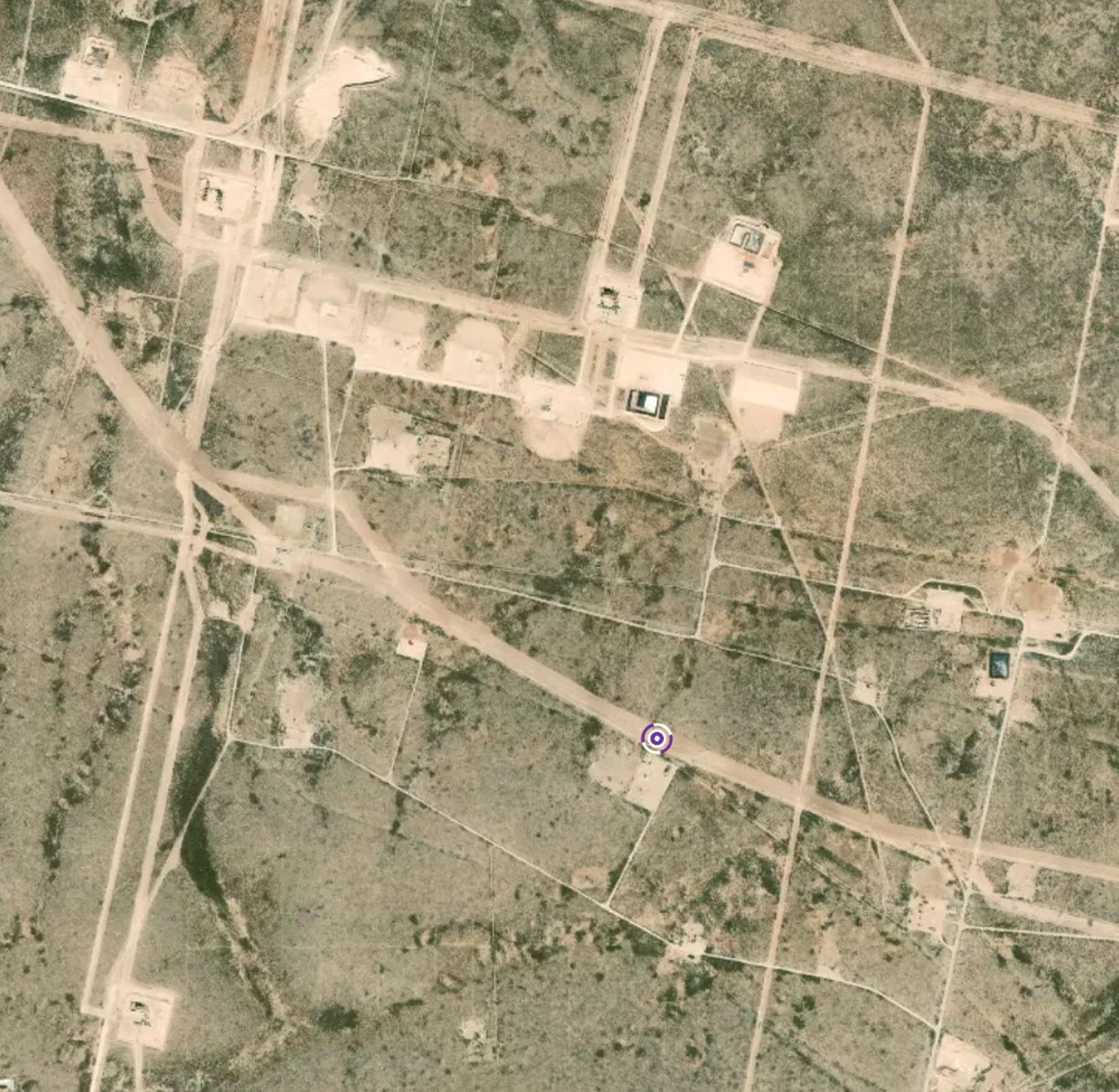
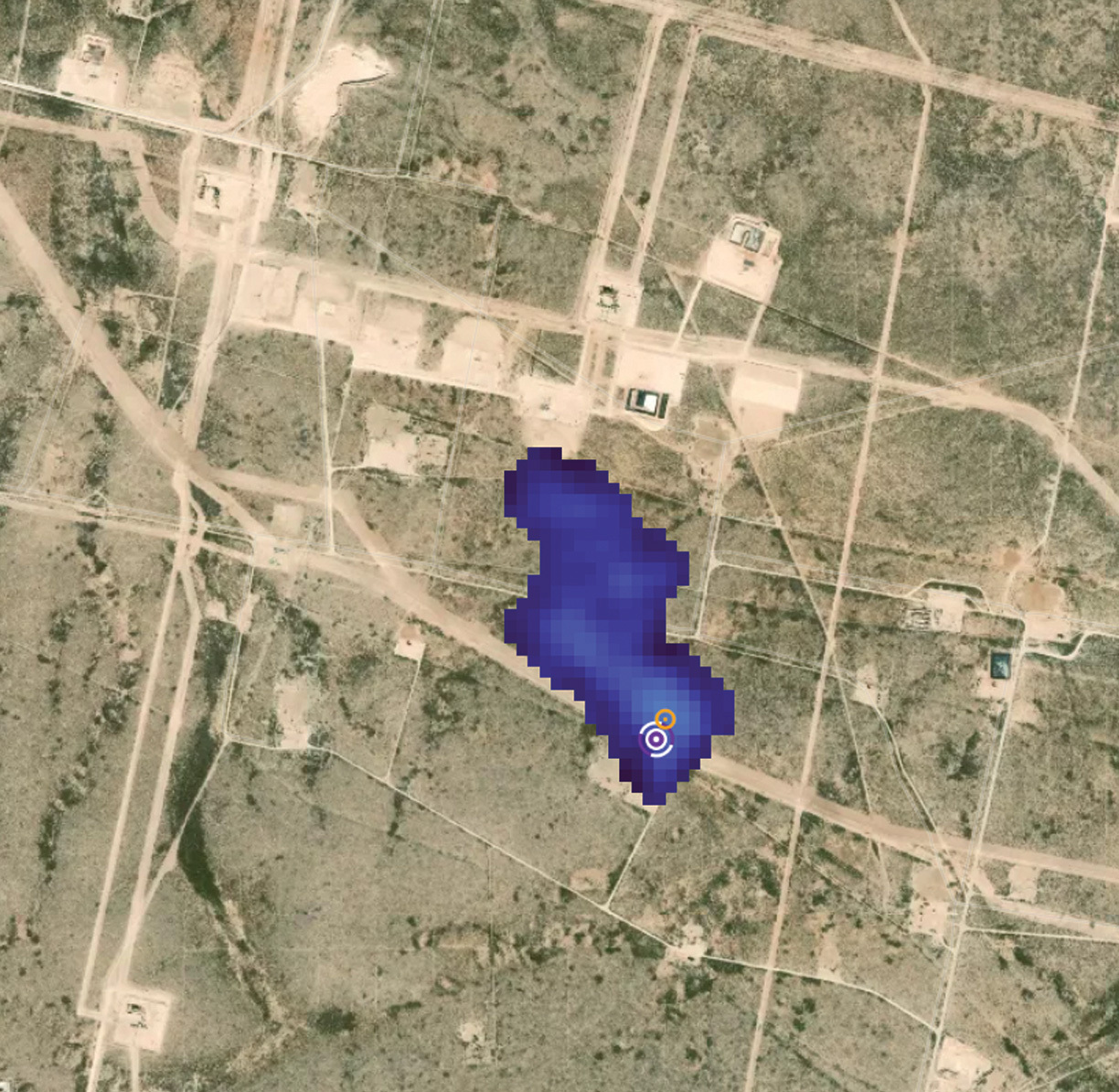
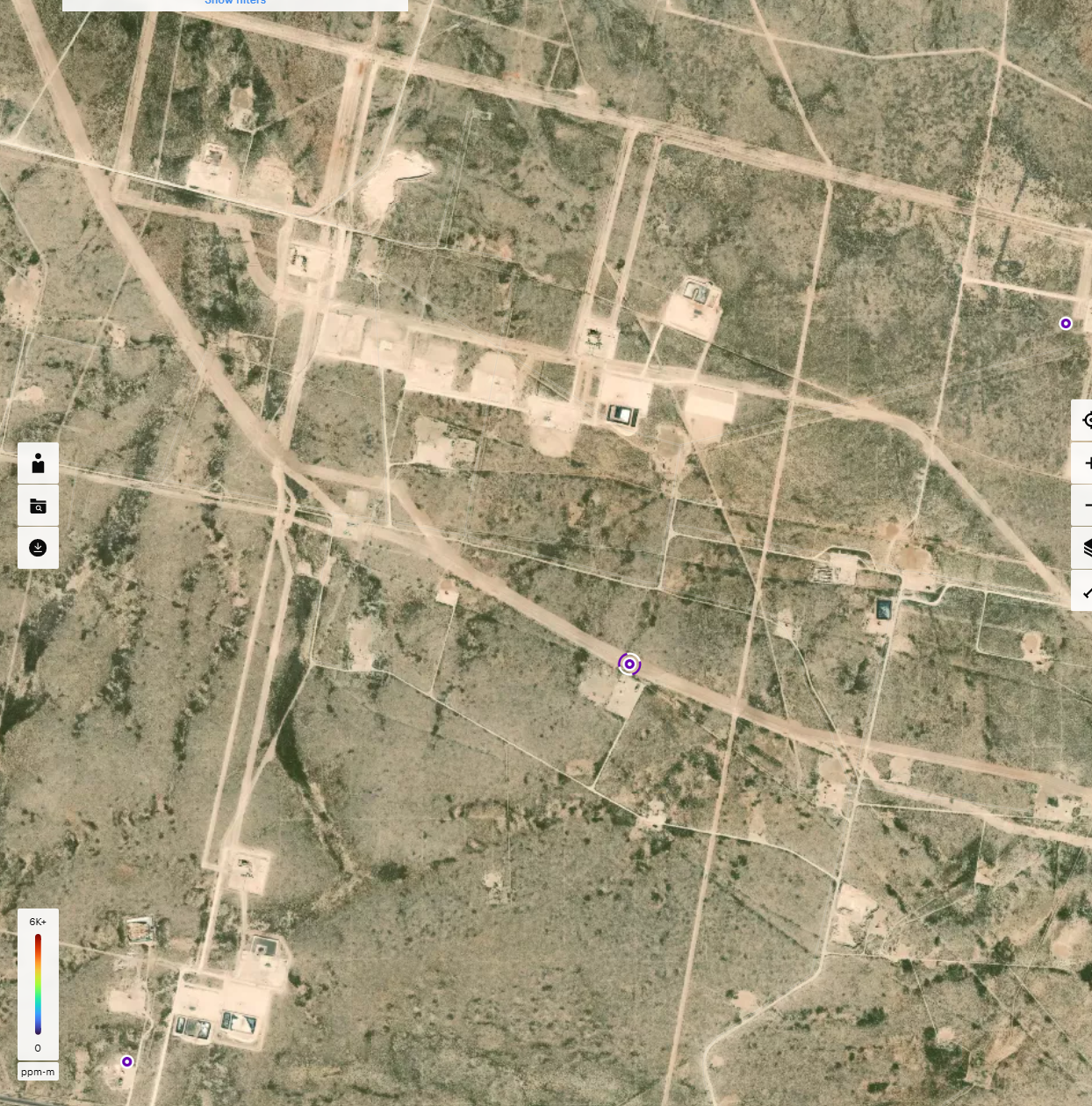
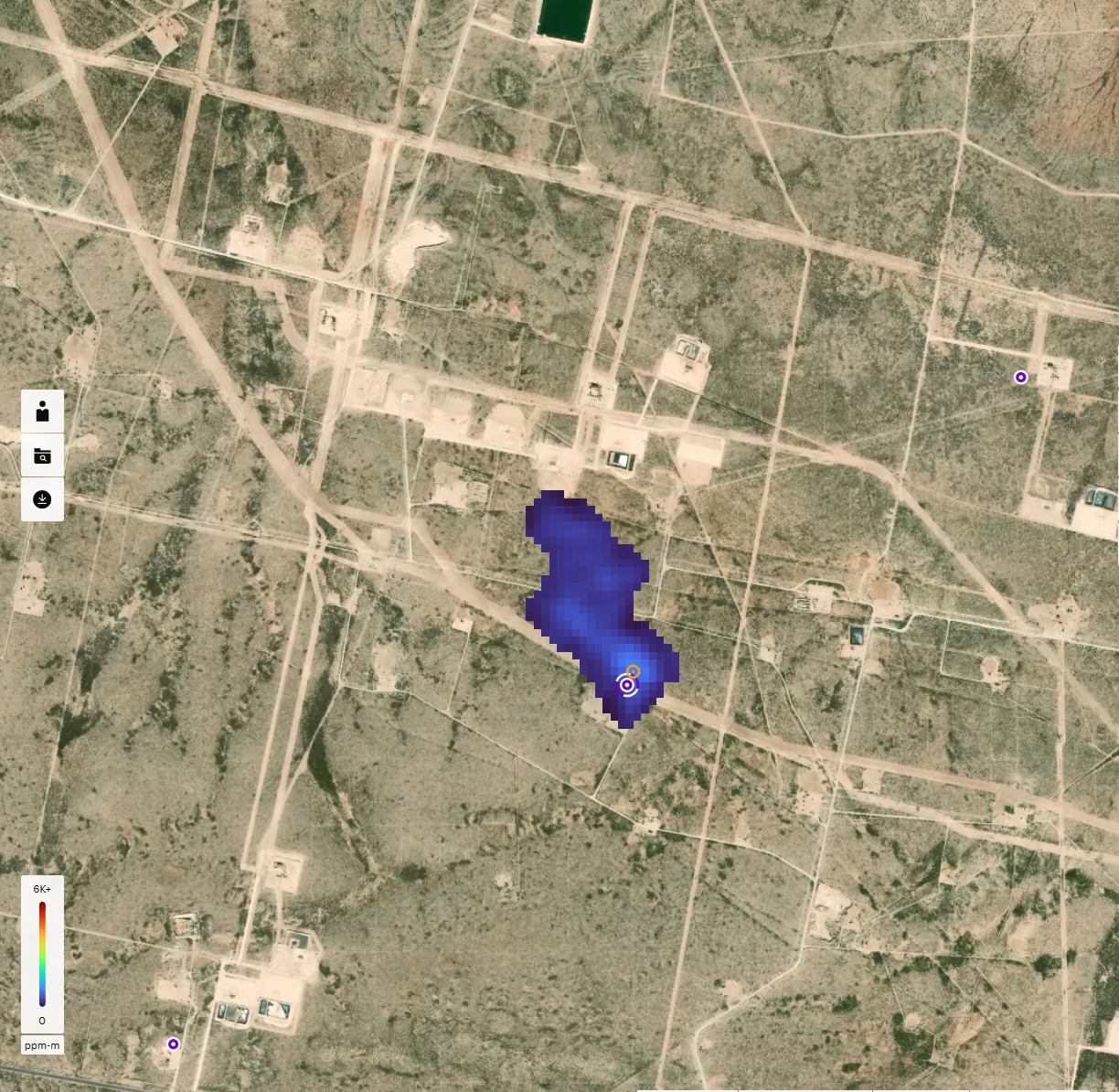
Methane is one of the most powerful drivers of climate change, and reducing methane emissions now can have near immediate benefits. To increase data and transparency on methane emissions, we supported the launch of a methane-detecting satellite in 2024 that has identified and published data on over 12,500 large plumes to date.
In 2025, we announced a major new $100 million commitment to accelerate global methane reductions, supporting efforts to detect methane super-emitting events, improve data, and work with governments and companies to cut pollution at its source.